THE ADVENTURE COLLECTIVE® · Independent discovery and booking for outdoor travel

Spend half a day with an English guide from Kyoto Station to the Golden Pavilion, Togetsukyo Bridge and Arashiyama’s famous bamboo grove. This practical walking tour pairs cultural history with easy nature strolls and public transport between sites.
Spend half a day with an English guide from Kyoto Station to the Golden Pavilion, Togetsukyo Bridge and Arashiyama’s famous bamboo grove. This practical walking tour pairs cultural history with easy nature strolls and public transport between sites.
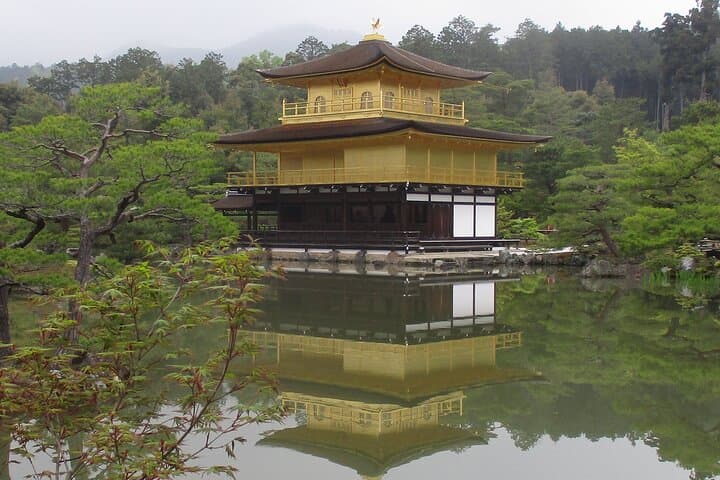
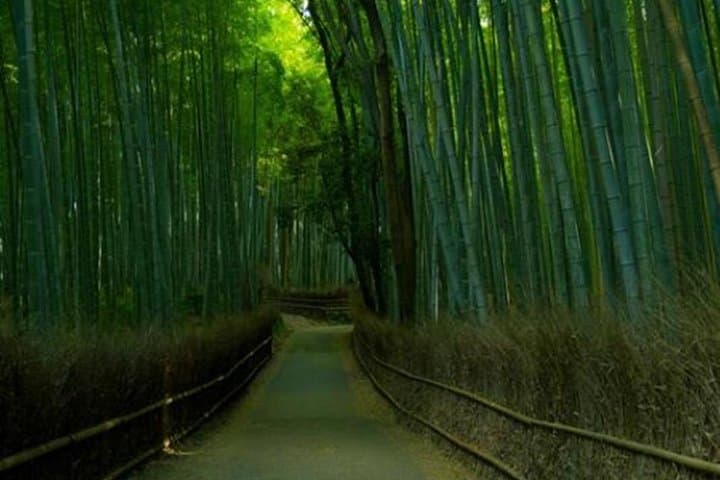
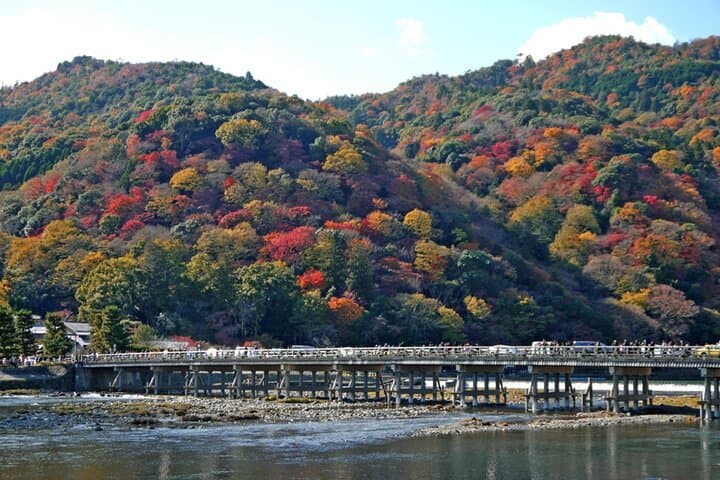
A cool morning light slices between bamboo trunks as the grove itself seems to breathe, stalks leaning and whispering with the day’s breeze. You begin at Kyoto Station, move by public train and bus, and soon trade the city’s grid for a sequence of heritage sites: a gilded temple flashing against a clipped garden, a centuries‑old bridge spanning a river that dares you to pause, and a bamboo corridor that channels filmic silhouettes.
Verified experiences and guided adventures in the surrounding area.
Operated by AgenziaItaliana · Kyoto, Kyoto Prefecture
A cool morning light slices between bamboo trunks as the grove itself seems to breathe, stalks leaning and whispering with the day’s breeze. You begin at Kyoto Station, move by public train and bus, and soon trade the city’s grid for a sequence of heritage sites: a gilded temple flashing against a clipped garden, a centuries‑old bridge spanning a river that dares you to pause, and a bamboo corridor that channels filmic silhouettes.
History sits close here — Kinkaku‑ji (the Golden Pavilion) was rebuilt after a 14th‑century patron’s villa was converted into a Zen temple under Ashikaga Yoshimitsu. Arashiyama’s Togetsukyo Bridge has marked the edge of imperial leisure since the Heian period, while the Sagano hills and river valley shaped both transport and settlement patterns for generations.
Geology is quiet but present: the plain of Kyoto meets low volcanic hills and river terraces, creating pockets of rich soil that support dense bamboo stands. Local guides often explain how aristocratic retreats evolved into temple compounds and strolling gardens.
Practical side: expect 4–5 hours of mostly easy walking with some steps and short transfers on buses or trains; the tour typically includes entrance to Kinkaku‑ji. Early starts avoid the worst crowds and give softer light for photos. Dress modestly at temples, carry an IC transit card and a refillable water bottle, and be ready to move at a steady pace—your guide balances history with route efficiency to fit key stops into half a day.
moderate.
4–5 hours.
Moderate—able to walk 3–6 miles with short periods standing and some stairs.
Yes — meeting and many transport options are wheelchair accessible, and the tour notes indicate accessible surfaces, though some temple grounds may have uneven areas.
The tour description includes the entrance ticket to the Golden Pavilion; the bamboo grove and bridge are public and typically have no admission fee.
Yes — this is an English‑language guided tour led by a native Kyoto guide.
Full refund is available if you cancel at least 24 hours before departure; tours may be canceled if minimum travelers are not met.
Kinkaku‑ji was reconstructed to reflect a 14th‑century shogun’s villa converted into a Zen temple; Arashiyama has been a leisure destination since the Heian era.
Local preservation focuses on footpath management and visitor flow to protect bamboo root systems and temple gardens; visitors are asked to stay on paths and avoid climbing the bamboo.
AgenziaItaliana operates guided outdoor trips and adventures with an emphasis on safety, stewardship, and memorable experiences.
A cool morning light slices between bamboo trunks as the grove itself seems to breathe, stalks leaning and whispering with the day’s breeze. You begin at Kyoto Station, move by public train and bus, and soon trade the city’s grid for a sequence of heritage sites: a gilded temple flashing against a clipped garden, a centuries‑old bridge spanning a river that dares you to pause, and a bamboo corridor that channels filmic silhouettes.
A cool morning light slices between bamboo trunks as the grove itself seems to breathe, stalks leaning and whispering with the day’s breeze. You begin at Kyoto Station, move by public train and bus, and soon trade the city’s grid for a sequence of heritage sites: a gilded temple flashing against a clipped garden, a centuries‑old bridge spanning a river that dares you to pause, and a bamboo corridor that channels filmic silhouettes.
History sits close here — Kinkaku‑ji (the Golden Pavilion) was rebuilt after a 14th‑century patron’s villa was converted into a Zen temple under Ashikaga Yoshimitsu. Arashiyama’s Togetsukyo Bridge has marked the edge of imperial leisure since the Heian period, while the Sagano hills and river valley shaped both transport and settlement patterns for generations.
Geology is quiet but present: the plain of Kyoto meets low volcanic hills and river terraces, creating pockets of rich soil that support dense bamboo stands. Local guides often explain how aristocratic retreats evolved into temple compounds and strolling gardens.
Practical side: expect 4–5 hours of mostly easy walking with some steps and short transfers on buses or trains; the tour typically includes entrance to Kinkaku‑ji. Early starts avoid the worst crowds and give softer light for photos. Dress modestly at temples, carry an IC transit card and a refillable water bottle, and be ready to move at a steady pace—your guide balances history with route efficiency to fit key stops into half a day.