THE ADVENTURE COLLECTIVE® · Independent discovery and booking for outdoor travel

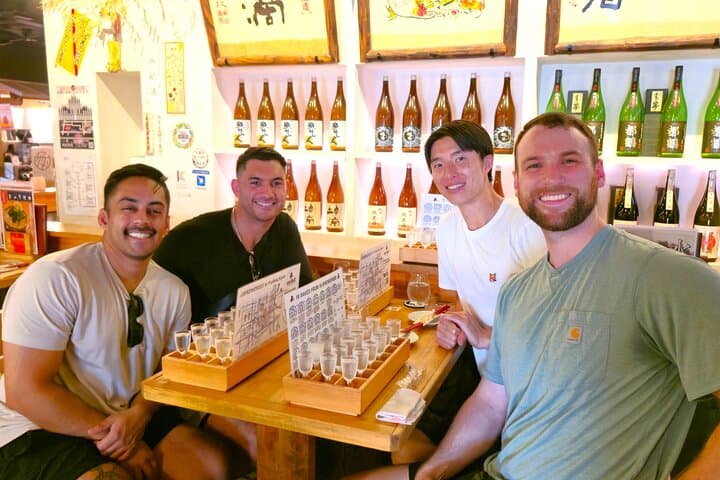
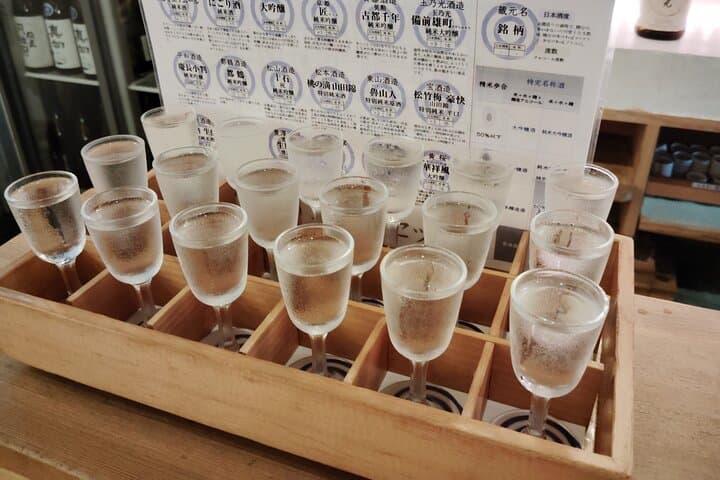
Explore Fushimi’s sake district in a brisk 2.5-hour tour covering a museum, a flagship brewery, and an alley with 18 different tastings. Learn how soft local water shapes flavor while sampling across a spectrum from light to full-bodied sakes.
Explore Fushimi’s sake district in a brisk 2.5-hour tour covering a museum, a flagship brewery, and an alley with 18 different tastings. Learn how soft local water shapes flavor while sampling across a spectrum from light to full-bodied sakes.
You step off the train and the air is different—cool, mineral-rich, the sort of water that built a region’s reputation. In Fushimi, the canals whisper under low bridges and the breweries crowd the streets, their wooden barrels and polished tanks promising something both ancient and immediate. The tour moves at a brisk, sociable pace: a museum, a lively brewery, and an alley that lays out 18 distinct sakes like a local map of flavor.
Verified experiences and guided adventures in the surrounding area.
Operated by DeepExperience · Kyoto, Kyoto Prefecture
You step off the train and the air is different—cool, mineral-rich, the sort of water that built a region’s reputation. In Fushimi, the canals whisper under low bridges and the breweries crowd the streets, their wooden barrels and polished tanks promising something both ancient and immediate. The tour moves at a brisk, sociable pace: a museum, a lively brewery, and an alley that lays out 18 distinct sakes like a local map of flavor.
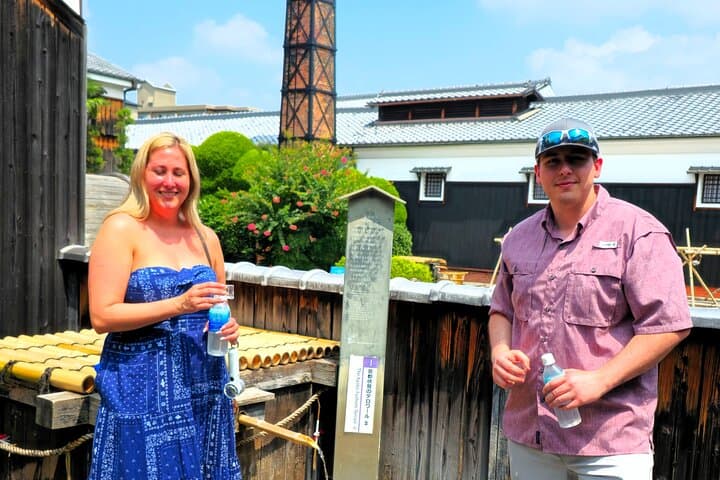
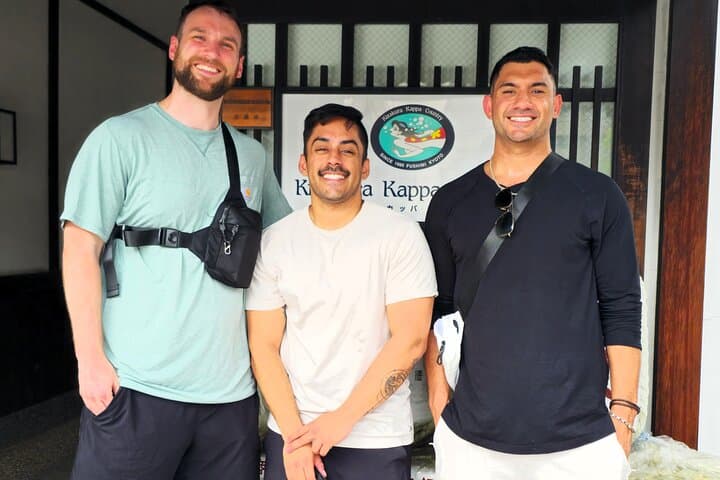
Fushimi’s sake story is geological and cultural. Soft groundwater filtered through the Yamashiro basin gives rice-washed spirits a gentler mouthfeel; merchants and brewers refined techniques here through the Edo period and into the modern era. Sites like Gekkeikan Okura document those tools and timelines, while places such as Kizakura show how folklore—hello, kappa—meets marketing in contemporary Kyoto.
Expect close-up views of wooden vats, polished stainless fermenters, and guides who will point out koji, polishing ratios, and serving temperatures. The alley tasting is less formal: izakaya-style plates, quick pours, and a steady progression from light to fuller-bodied sakes. Keep a steady pace—alcohol and variety stack fast.
Practically: wear comfortable shoes for short urban walks, carry water between tastings, and arrive with a basic plan to limit sampling if you need to. The tour is wheelchair accessible but not recommended for pregnant guests or those with heart conditions. Bring a camera, an open palate, and a notebook; Fushimi is a short walk through Japan’s brewing DNA, and the water here will quietly insist you pay attention.
easy.
2–3 hours.
Light urban walking and standing for tastings—no special fitness required
The tour visits Gekkeikan Okura Sake Museum, Kizakura Country experience, and Fushimizu Sake Brewery Alley with guided tastings and entrance fees as noted.
Yes—alcoholic beverages are only served to guests 18 years and older; local norms may enforce 20+, so bring government ID.
Yes—sites list wheelchair-accessible areas and transportation options, but check with the operator about specific mobility needs.
Yes—many breweries and alley vendors sell bottles and souvenirs; bring space in your luggage and check customs regulations for export.
Fushimi’s brewing dates back centuries—soft groundwater from the Yamashiro basin and proximity to rice paddies made it a sake production hub by the Edo period.
Many breweries now treat and recycle wastewater and prioritize local rice sourcing; practice responsible tasting and dispose of single-use plastic thoughtfully.
DeepExperience operates guided outdoor trips and adventures with an emphasis on safety, stewardship, and memorable experiences.
You step off the train and the air is different—cool, mineral-rich, the sort of water that built a region’s reputation. In Fushimi, the canals whisper under low bridges and the breweries crowd the streets, their wooden barrels and polished tanks promising something both ancient and immediate. The tour moves at a brisk, sociable pace: a museum, a lively brewery, and an alley that lays out 18 distinct sakes like a local map of flavor.
You step off the train and the air is different—cool, mineral-rich, the sort of water that built a region’s reputation. In Fushimi, the canals whisper under low bridges and the breweries crowd the streets, their wooden barrels and polished tanks promising something both ancient and immediate. The tour moves at a brisk, sociable pace: a museum, a lively brewery, and an alley that lays out 18 distinct sakes like a local map of flavor.
Fushimi’s sake story is geological and cultural. Soft groundwater filtered through the Yamashiro basin gives rice-washed spirits a gentler mouthfeel; merchants and brewers refined techniques here through the Edo period and into the modern era. Sites like Gekkeikan Okura document those tools and timelines, while places such as Kizakura show how folklore—hello, kappa—meets marketing in contemporary Kyoto.
Expect close-up views of wooden vats, polished stainless fermenters, and guides who will point out koji, polishing ratios, and serving temperatures. The alley tasting is less formal: izakaya-style plates, quick pours, and a steady progression from light to fuller-bodied sakes. Keep a steady pace—alcohol and variety stack fast.
Practically: wear comfortable shoes for short urban walks, carry water between tastings, and arrive with a basic plan to limit sampling if you need to. The tour is wheelchair accessible but not recommended for pregnant guests or those with heart conditions. Bring a camera, an open palate, and a notebook; Fushimi is a short walk through Japan’s brewing DNA, and the water here will quietly insist you pay attention.