THE ADVENTURE COLLECTIVE® · Independent discovery and booking for outdoor travel

Explore Fushimi’s shrines, canals and century-old sake breweries on a five-hour walking tour from JR Inari Station. Taste taiyaki and sake, hear Bakumatsu-era stories, and wander markets that retain an authentic local pulse.
Explore Fushimi’s shrines, canals and century-old sake breweries on a five-hour walking tour from JR Inari Station. Taste taiyaki and sake, hear Bakumatsu-era stories, and wander markets that retain an authentic local pulse.
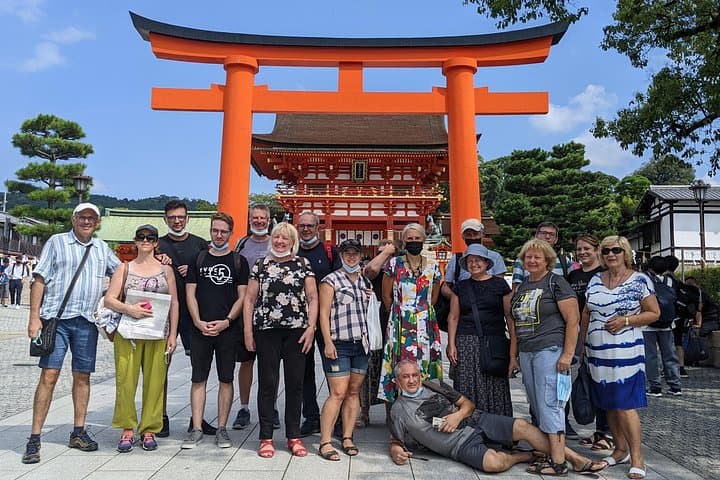
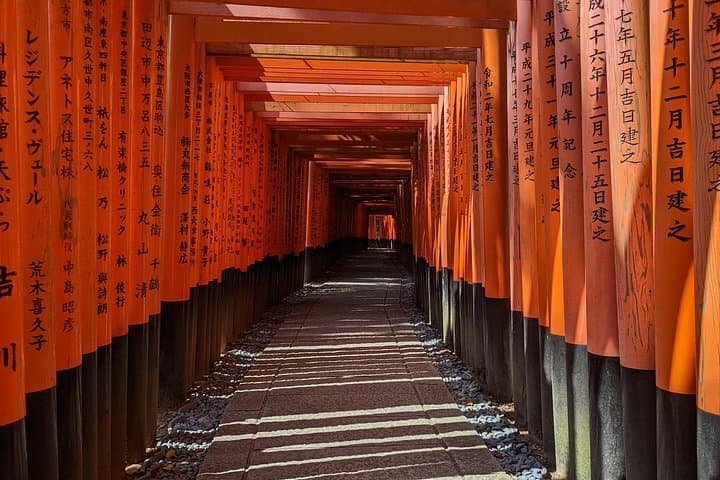
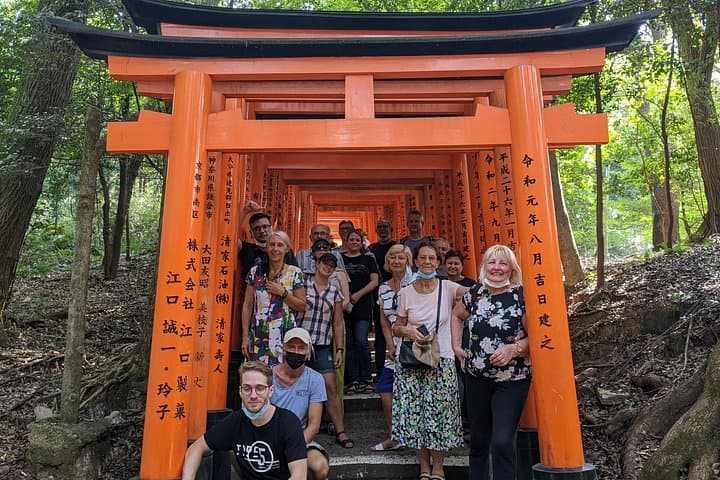
You step out of JR Inari Station into a narrow pocket of Kyoto where vermilion torii and canal-side warehouses share the same light. The guide waits by the Kitsunezo fox statue; from there the tour threads through shrine alleys, market storefronts and the low-slung brick of old sake houses. Footsteps and the distant chime of trains keep time.
Verified experiences and guided adventures in the surrounding area.
Operated by Japan Tour Adventure · Kyoto, Kyoto Prefecture
You step out of JR Inari Station into a narrow pocket of Kyoto where vermilion torii and canal-side warehouses share the same light. The guide waits by the Kitsunezo fox statue; from there the tour threads through shrine alleys, market storefronts and the low-slung brick of old sake houses. Footsteps and the distant chime of trains keep time.
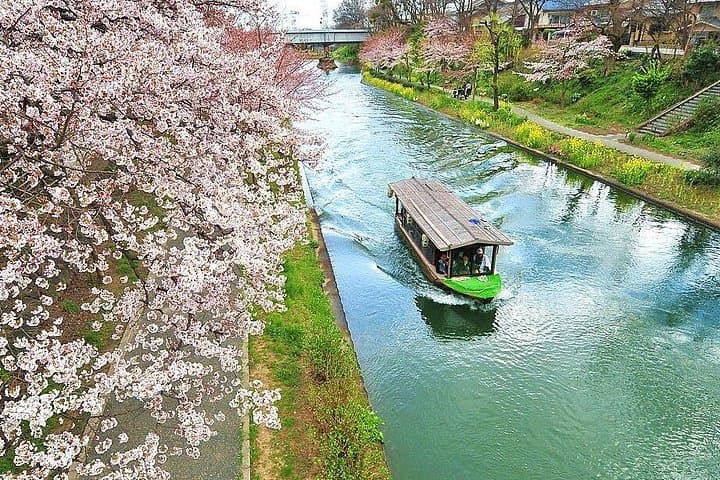
Fushimi’s story is both industrial and political: a rice-rich basin that built Kyoto’s sake industry and a stage for Bakumatsu-era clashes that helped birth modern Japan. Geology here is flat river plain—easy walking across paved streets, shrine gravel and short stone steps—so the terrain never steals the show. Culture arrives in concrete forms: Gekkeikan’s cedar casks and the Teradaya Inn where samurai plots once unfolded. The canal will nudge you to pause in spring for cherry blossoms and in autumn for migrating light.
Practical guide: expect about 4 km of walking spread over five hours with multiple stops—Fushimi Inari, Gekkeikan Sake Museum, the Canal, Teradaya, Ryoma Shopping Street. Included are entrance fees to select sites, a taiyaki and sweets, and a guided tasting at the distillery. The group max is small; note a two-guest minimum for shared departures and that guides speak Japanese and English (French possible on request). Wear comfortable shoes, bring small bills for market purchases, and carry water—the route is urban but active. Plan mornings for cooler light and quieter shrine paths.
easy.
5 hours.
Light walking ability; suitable for most fitness levels with intermittent standing at sites
Meet outside JR Inari Station by the Kitsunezo fox statue across the street; the guide will be waiting there.
Yes—entrance to the Gekkeikan Sake Distillery Museum and select sites are included, along with a taiyaki and sweets provided during the tour.
Guides speak Japanese and English; a French-speaking guide can be requested in advance but is not guaranteed for shared tours.
Cancel at least 24 hours before departure for a full refund; tours may be canceled if minimum traveler numbers aren’t met.
Fushimi was a rice-growing basin that developed into a major sake production center; Teradaya Inn and the Sakamoto Ryoma stories tie the area to pivotal Bakumatsu events.
Sake production and tourism both rely on clean water; visitors are encouraged to minimize litter, use refillable bottles, and respect shrine rules to protect heritage sites.
Japan Tour Adventure operates guided outdoor trips and adventures with an emphasis on safety, stewardship, and memorable experiences.
You step out of JR Inari Station into a narrow pocket of Kyoto where vermilion torii and canal-side warehouses share the same light. The guide waits by the Kitsunezo fox statue; from there the tour threads through shrine alleys, market storefronts and the low-slung brick of old sake houses. Footsteps and the distant chime of trains keep time.
You step out of JR Inari Station into a narrow pocket of Kyoto where vermilion torii and canal-side warehouses share the same light. The guide waits by the Kitsunezo fox statue; from there the tour threads through shrine alleys, market storefronts and the low-slung brick of old sake houses. Footsteps and the distant chime of trains keep time.
Fushimi’s story is both industrial and political: a rice-rich basin that built Kyoto’s sake industry and a stage for Bakumatsu-era clashes that helped birth modern Japan. Geology here is flat river plain—easy walking across paved streets, shrine gravel and short stone steps—so the terrain never steals the show. Culture arrives in concrete forms: Gekkeikan’s cedar casks and the Teradaya Inn where samurai plots once unfolded. The canal will nudge you to pause in spring for cherry blossoms and in autumn for migrating light.
Practical guide: expect about 4 km of walking spread over five hours with multiple stops—Fushimi Inari, Gekkeikan Sake Museum, the Canal, Teradaya, Ryoma Shopping Street. Included are entrance fees to select sites, a taiyaki and sweets, and a guided tasting at the distillery. The group max is small; note a two-guest minimum for shared departures and that guides speak Japanese and English (French possible on request). Wear comfortable shoes, bring small bills for market purchases, and carry water—the route is urban but active. Plan mornings for cooler light and quieter shrine paths.