THE ADVENTURE COLLECTIVE® · Independent discovery and booking for outdoor travel

See Kyoto’s temples, markets and geisha districts in a single, customizable day with a licensed English-speaking guide and private vehicle from Kobe. This full-day tour balances the major sights with local insights and flexible pacing to match your interests.
See Kyoto’s temples, markets and geisha districts in a single, customizable day with a licensed English-speaking guide and private vehicle from Kobe. This full-day tour balances the major sights with local insights and flexible pacing to match your interests.
Morning light cuts across Kyoto’s wooden eaves as your private vehicle slips through narrow streets toward Kiyomizu-dera. The city unfolds—stone lanterns, vermilion gates, and a river that seems to dare you to cross into older Japan.
Verified experiences and guided adventures in the surrounding area.
Operated by Japan Guide Agency · Kyoto, Kyoto Prefecture
Morning light cuts across Kyoto’s wooden eaves as your private vehicle slips through narrow streets toward Kiyomizu-dera. The city unfolds—stone lanterns, vermilion gates, and a river that seems to dare you to cross into older Japan.
Kyoto was Japan’s capital for over a thousand years, and its neighborhoods preserve eras from Heian court life through Tokugawa rule. The city's geology—broad river plains hugged by the Higashiyama and Kitayama ranges—informs why temples cluster on slopes and gardens channel mountain streams into reflective ponds.
Culturally, Kyoto is the birthplace of refined practices: tea ceremony, Noh theater and the structured world of geisha in Gion. A licensed guide brings context to Fushimi Inari’s foxes, the engineering behind Kiyomizu’s wooden terrace, and the slow choreography of a tea-house visit while pointing out local foods in Nishiki Market.
Practically, this private full-day tour mixes short drives with easy walking on uneven stone and wooden steps. Rise early to avoid crowds at iconic spots, wear supportive shoes for temple grounds, and carry a refillable water bottle—the tap is drinkable. Keep some cash for small stalls and shrine offerings; many vendors prefer it. The itinerary is customizable: choose 3–4 sites and your guide will sequence them to minimize transit and maximize light for photography.
Expect about nine hours including pickup, travel time, and short onsite visits total.
easy.
9 hours.
Suitable for most fitness levels; involves a few hours of walking on uneven historic surfaces and short stair sections.
Pickup and drop-off are arranged at your Kobe or Kyoto hotel or an agreed public meeting point; confirm details with the guide after booking.
Yes — you choose 3–4 sites from the provided options and the guide will build a route to maximize time and minimize backtracking.
Admissions are typically not included unless specified; confirm with the operator which sites require separate tickets and budget accordingly.
The vehicle is wheelchair accessible, but some historic sites have steps or uneven ground—notify the operator in advance to plan accessible alternatives.
Kyoto served as Japan’s imperial capital from 794 until 1868; many temples, gardens and imperial villas date from Heian, Muromachi and Edo periods.
Respect temple rules, stay on established paths and avoid feeding wildlife; Kyoto’s sites rely on careful visitor behavior to preserve wooden structures and gardens.
Japan Guide Agency operates guided outdoor trips and adventures with an emphasis on safety, stewardship, and memorable experiences.
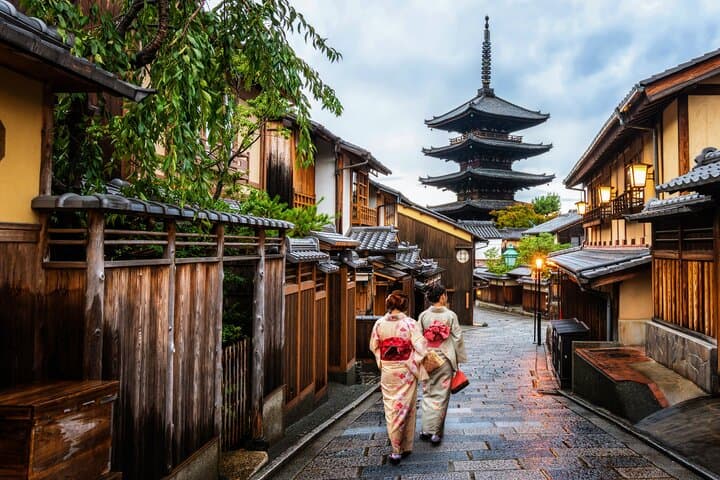
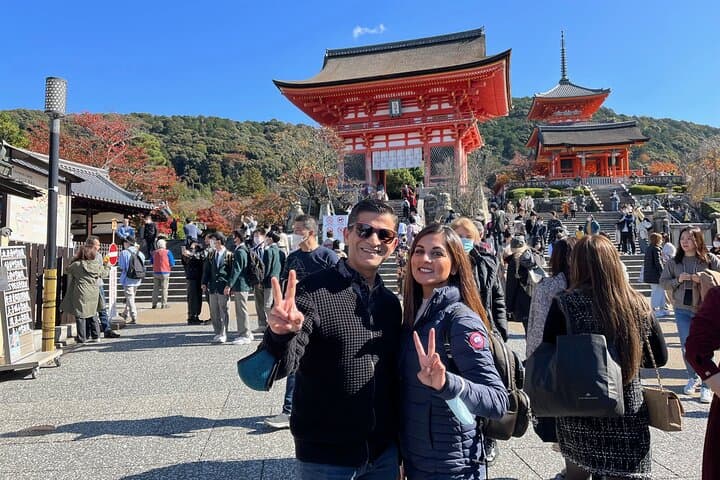
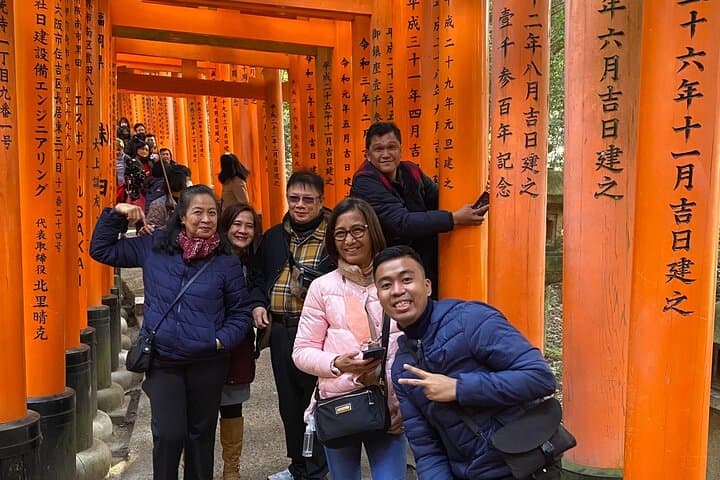
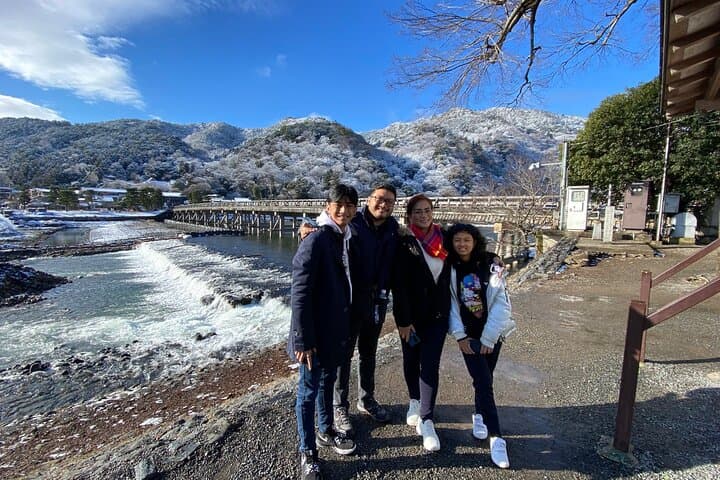
Morning light cuts across Kyoto’s wooden eaves as your private vehicle slips through narrow streets toward Kiyomizu-dera. The city unfolds—stone lanterns, vermilion gates, and a river that seems to dare you to cross into older Japan.
Morning light cuts across Kyoto’s wooden eaves as your private vehicle slips through narrow streets toward Kiyomizu-dera. The city unfolds—stone lanterns, vermilion gates, and a river that seems to dare you to cross into older Japan.
Kyoto was Japan’s capital for over a thousand years, and its neighborhoods preserve eras from Heian court life through Tokugawa rule. The city's geology—broad river plains hugged by the Higashiyama and Kitayama ranges—informs why temples cluster on slopes and gardens channel mountain streams into reflective ponds.
Culturally, Kyoto is the birthplace of refined practices: tea ceremony, Noh theater and the structured world of geisha in Gion. A licensed guide brings context to Fushimi Inari’s foxes, the engineering behind Kiyomizu’s wooden terrace, and the slow choreography of a tea-house visit while pointing out local foods in Nishiki Market.
Practically, this private full-day tour mixes short drives with easy walking on uneven stone and wooden steps. Rise early to avoid crowds at iconic spots, wear supportive shoes for temple grounds, and carry a refillable water bottle—the tap is drinkable. Keep some cash for small stalls and shrine offerings; many vendors prefer it. The itinerary is customizable: choose 3–4 sites and your guide will sequence them to minimize transit and maximize light for photography.
Expect about nine hours including pickup, travel time, and short onsite visits total.