THE ADVENTURE COLLECTIVE® · Independent discovery and booking for outdoor travel

This private full-day Kyoto excursion from Kobe port moves beyond the headline temples to quieter gardens, riverside walks and a local market. Expect seven hours of mostly easy walking, cultural insights, and a tempo that invites noticing small details.
This private full-day Kyoto excursion from Kobe port moves beyond the headline temples to quieter gardens, riverside walks and a local market. Expect seven hours of mostly easy walking, cultural insights, and a tempo that invites noticing small details.
Arriving from the cruise port in Kobe, the day opens with a slow bend of the Kamo River and the hush of mossy temple gardens. The guide leads you through narrow lanes where maple trees shade stone lanterns, and the chirp of city birds competes with the distant click of geta on pavement. Furukawa Market hums with local vendors; the Shirakawa riverside narrows, daring you to slow down and notice the light on water.
Verified experiences and guided adventures in the surrounding area.
Operated by Mike Masaki Hira · Kyoto, Kyoto Prefecture
Arriving from the cruise port in Kobe, the day opens with a slow bend of the Kamo River and the hush of mossy temple gardens. The guide leads you through narrow lanes where maple trees shade stone lanterns, and the chirp of city birds competes with the distant click of geta on pavement. Furukawa Market hums with local vendors; the Shirakawa riverside narrows, daring you to slow down and notice the light on water.
Kyoto’s streets hold layers of history: former imperial residences, Edo-period merchants, and post-fire urban shifts that reshaped neighborhoods. Geologically, the basin of Kyoto collects the rain that feeds its gardens; stone bridges and angled roofs reflect centuries of adapting architecture to seasonal downpours and humid summers. Cultural details matter here—temple etiquette, temple gardens designed for seated contemplation, and Shoren-in’s connection to imperial residence after the Great Fire about 300 years ago.
Practical guidance: expect roughly seven hours of walking on paved streets and temple paths, some short stair sections and gentle inclines. Carry water, modest clothing for shrine entry, and small bills for temple donations or market snacks. Mornings are best to avoid crowds at Konchiin and Shimogamo Shrine; late afternoon light is excellent for photos along Shirakawa.
This private, port-friendly excursion balances cultural depth with manageable pacing—ideal for travelers who want quiet corners of Kyoto without marathon sightseeing. Plan for variable weather, bring comfortable shoes, and allow time to sit in a garden and simply listen.
moderate.
6–7 hours.
Suitable for those with moderate fitness able to walk several miles and manage short stair sections
Yes—port pickup is included; confirm your ship name and docking time when you book so the operator coordinates meeting details.
Some admissions like Konchiin and Shoren-in are included per the itinerary, but double-check which specific sites are covered at booking to avoid on-site surprises.
The tour involves walking on varied surfaces and short stair sections; not recommended for those with significant mobility limitations or serious spinal issues.
This private tour is typically offered in English—confirm language needs at booking to ensure an appropriate guide.
Shoren-in served as an imperial residence after a major downtown fire about 300 years ago, reflecting Kyoto’s shifting urban history.
Respect for sacred sites is enforced—stay on paths, avoid picking plants, and use provided bins; many temples fund garden upkeep through small admission fees.
Mike Masaki Hira operates guided outdoor trips and adventures with an emphasis on safety, stewardship, and memorable experiences.
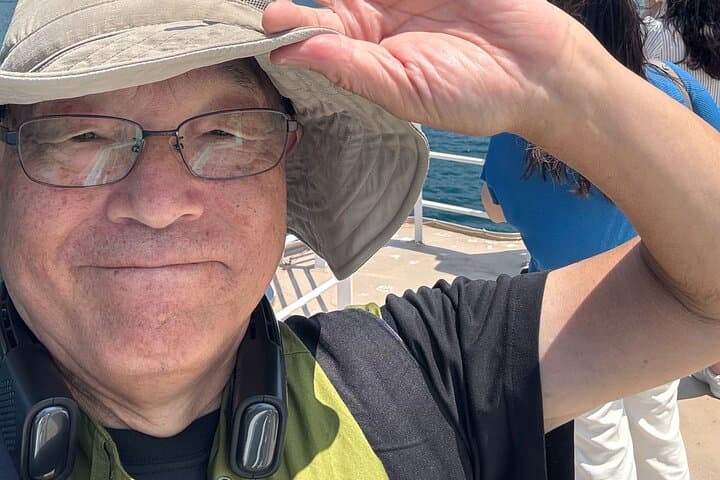
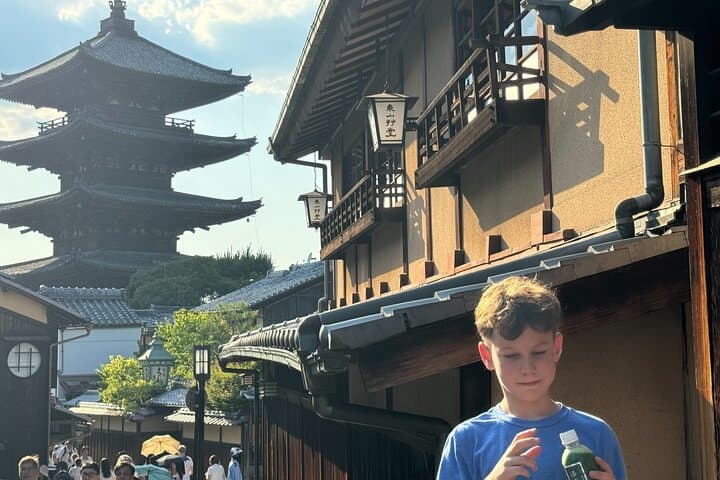
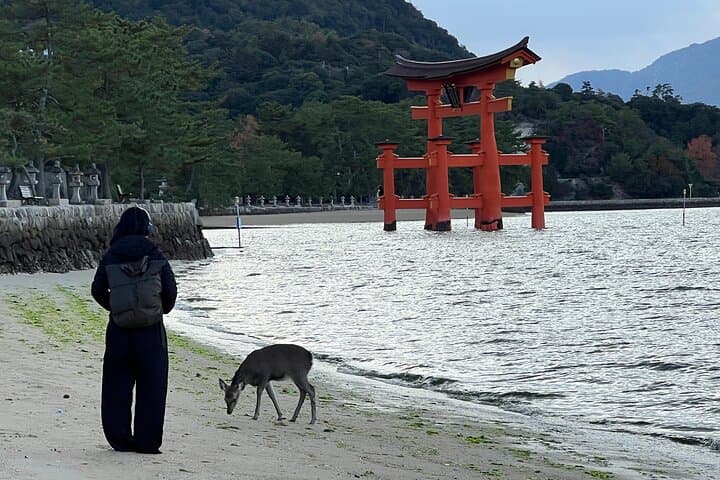
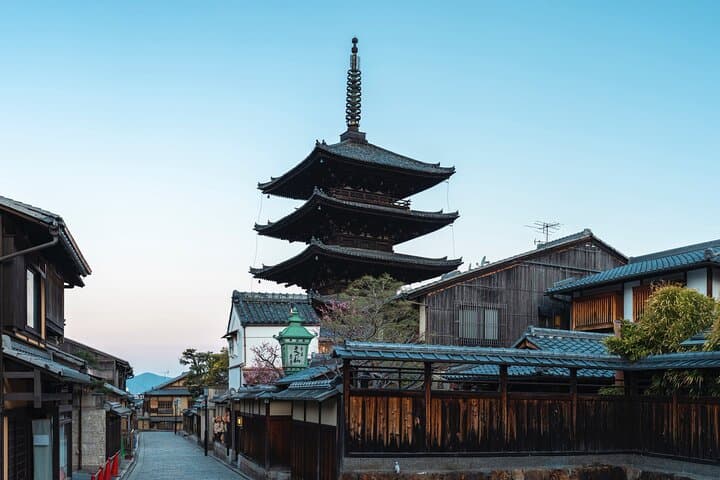
Arriving from the cruise port in Kobe, the day opens with a slow bend of the Kamo River and the hush of mossy temple gardens. The guide leads you through narrow lanes where maple trees shade stone lanterns, and the chirp of city birds competes with the distant click of geta on pavement. Furukawa Market hums with local vendors; the Shirakawa riverside narrows, daring you to slow down and notice the light on water.
Arriving from the cruise port in Kobe, the day opens with a slow bend of the Kamo River and the hush of mossy temple gardens. The guide leads you through narrow lanes where maple trees shade stone lanterns, and the chirp of city birds competes with the distant click of geta on pavement. Furukawa Market hums with local vendors; the Shirakawa riverside narrows, daring you to slow down and notice the light on water.
Kyoto’s streets hold layers of history: former imperial residences, Edo-period merchants, and post-fire urban shifts that reshaped neighborhoods. Geologically, the basin of Kyoto collects the rain that feeds its gardens; stone bridges and angled roofs reflect centuries of adapting architecture to seasonal downpours and humid summers. Cultural details matter here—temple etiquette, temple gardens designed for seated contemplation, and Shoren-in’s connection to imperial residence after the Great Fire about 300 years ago.
Practical guidance: expect roughly seven hours of walking on paved streets and temple paths, some short stair sections and gentle inclines. Carry water, modest clothing for shrine entry, and small bills for temple donations or market snacks. Mornings are best to avoid crowds at Konchiin and Shimogamo Shrine; late afternoon light is excellent for photos along Shirakawa.
This private, port-friendly excursion balances cultural depth with manageable pacing—ideal for travelers who want quiet corners of Kyoto without marathon sightseeing. Plan for variable weather, bring comfortable shoes, and allow time to sit in a garden and simply listen.