THE ADVENTURE COLLECTIVE® · Independent discovery and booking for outdoor travel

Beat the crowds on a private early-morning walk through Kyoto’s temples, markets, and historic districts. A government-licensed English guide customizes a 2–3 site itinerary to match interests—history, architecture, or culinary stops.
Beat the crowds on a private early-morning walk through Kyoto’s temples, markets, and historic districts. A government-licensed English guide customizes a 2–3 site itinerary to match interests—history, architecture, or culinary stops.
Dawn in Kyoto feels deliberate: stone lanes cool underfoot, tea steam rising from a café, and the first shafts of light catching the vermilion of torii gates. On an early-morning private walk you move ahead of the day-trippers, the city revealing small rituals — shopkeepers setting out skewers, shrine caretakers sweeping gravel paths — that anchor Kyoto’s living history.
Verified experiences and guided adventures in the surrounding area.
Operated by Japan Guide Agency · Kyoto, Kyoto Prefecture
Dawn in Kyoto feels deliberate: stone lanes cool underfoot, tea steam rising from a café, and the first shafts of light catching the vermilion of torii gates. On an early-morning private walk you move ahead of the day-trippers, the city revealing small rituals — shopkeepers setting out skewers, shrine caretakers sweeping gravel paths — that anchor Kyoto’s living history.
Kyoto was Japan’s capital for more than a millennium; its cityscape sits in a broad basin ringed by low, forested mountains and threaded by rivers like the Kamo. That geography shaped temple placement and garden design, and the city’s wooden architecture survived because of careful repair and layered rebuilding over centuries. A government-licensed English guide links those facts to local stories: kitsune at Fushimi Inari, the shogun’s politics at Nijo Castle, and ceremonial life in Gion.
Choose two to three sites — Kiyomizu-dera’s hillside views, Nishiki Market’s food stalls, or the quiet lanes of Higashiyama — then let a guide deepen the visit with context and practical routing. The pace is relaxed but steady; expect several short stair climbs and uneven paving.
Practical notes: start before 8:00 to avoid crowds, wear supportive walking shoes, and carry a light layer for cool mornings. Respect shrine etiquette (bow, refrain from flash photography where posted) and leave no trace in temple grounds. With a licensed local guiding you, this four-hour window becomes a compact primer on Kyoto’s culture, architecture, and quiet daily rhythms.
easy.
3–4 hours.
Suitable for most fitness levels; be prepared for 1–2 miles of walking with stairs and uneven surfaces
Yes — choose 2–3 sites when booking or let the licensed guide recommend an itinerary based on your interests.
Many central areas and some temple approaches are accessible, but historic sites often have stairs; tell the guide your needs so they plan accessible alternatives.
Meeting is on foot within a designated Kyoto area; the guide will confirm a convenient central pickup point after booking.
Some sites charge admission; the tour lists which locations include entry, but plan for modest fees for Kiyomizu-dera or Nijo Castle if chosen.
Kyoto served as Japan’s imperial capital from 794 to 1868, and many temples and gardens reflect layers of political and artistic change across eras.
High visitor numbers strain narrow streets and temple grounds; follow posted rules, avoid touching artifacts, and use marked paths to minimize erosion and disturbance.
Japan Guide Agency operates guided outdoor trips and adventures with an emphasis on safety, stewardship, and memorable experiences.


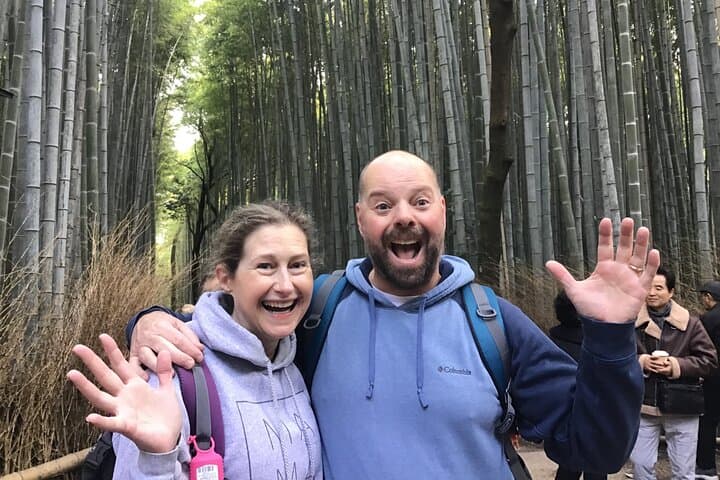

Dawn in Kyoto feels deliberate: stone lanes cool underfoot, tea steam rising from a café, and the first shafts of light catching the vermilion of torii gates. On an early-morning private walk you move ahead of the day-trippers, the city revealing small rituals — shopkeepers setting out skewers, shrine caretakers sweeping gravel paths — that anchor Kyoto’s living history.
Dawn in Kyoto feels deliberate: stone lanes cool underfoot, tea steam rising from a café, and the first shafts of light catching the vermilion of torii gates. On an early-morning private walk you move ahead of the day-trippers, the city revealing small rituals — shopkeepers setting out skewers, shrine caretakers sweeping gravel paths — that anchor Kyoto’s living history.
Kyoto was Japan’s capital for more than a millennium; its cityscape sits in a broad basin ringed by low, forested mountains and threaded by rivers like the Kamo. That geography shaped temple placement and garden design, and the city’s wooden architecture survived because of careful repair and layered rebuilding over centuries. A government-licensed English guide links those facts to local stories: kitsune at Fushimi Inari, the shogun’s politics at Nijo Castle, and ceremonial life in Gion.
Choose two to three sites — Kiyomizu-dera’s hillside views, Nishiki Market’s food stalls, or the quiet lanes of Higashiyama — then let a guide deepen the visit with context and practical routing. The pace is relaxed but steady; expect several short stair climbs and uneven paving.
Practical notes: start before 8:00 to avoid crowds, wear supportive walking shoes, and carry a light layer for cool mornings. Respect shrine etiquette (bow, refrain from flash photography where posted) and leave no trace in temple grounds. With a licensed local guiding you, this four-hour window becomes a compact primer on Kyoto’s culture, architecture, and quiet daily rhythms.