THE ADVENTURE COLLECTIVE® · Independent discovery and booking for outdoor travel

Cover Kyoto’s iconic and quiet corners in one day: glide from Kinkaku-ji’s reflective pond to Arashiyama’s bamboo paths, and ride through the oldest geisha quarter with an experienced local guide. This moderate 5–6 hour e-bike tour balances cultural stops with easy riding across about 15 miles (25 km).
Cover Kyoto’s iconic and quiet corners in one day: glide from Kinkaku-ji’s reflective pond to Arashiyama’s bamboo paths, and ride through the oldest geisha quarter with an experienced local guide. This moderate 5–6 hour e-bike tour balances cultural stops with easy riding across about 15 miles (25 km).
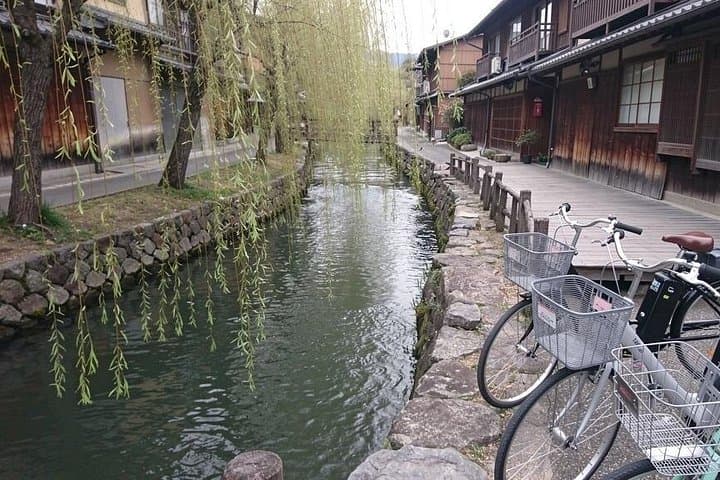
The morning air in Kyoto feels deliberate — cool along canal edges, warmer under temple eaves — and an e-bike lets you move through those moods with ease.
Verified experiences and guided adventures in the surrounding area.
Operated by japa-kon · Kyoto, Kyoto Prefecture
The morning air in Kyoto feels deliberate — cool along canal edges, warmer under temple eaves — and an e-bike lets you move through those moods with ease.
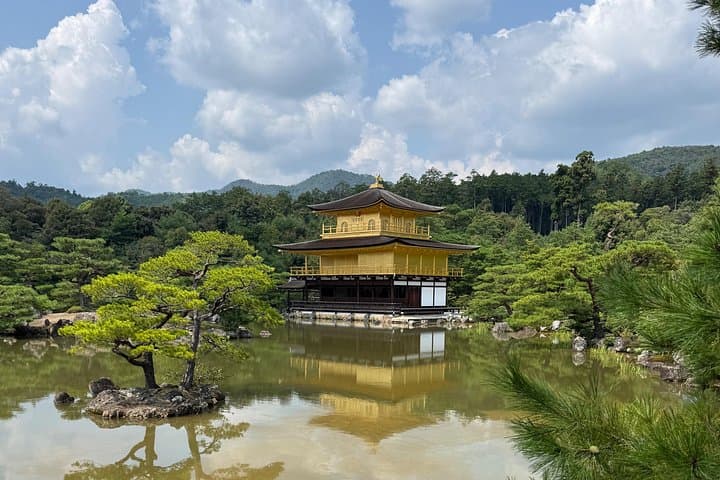
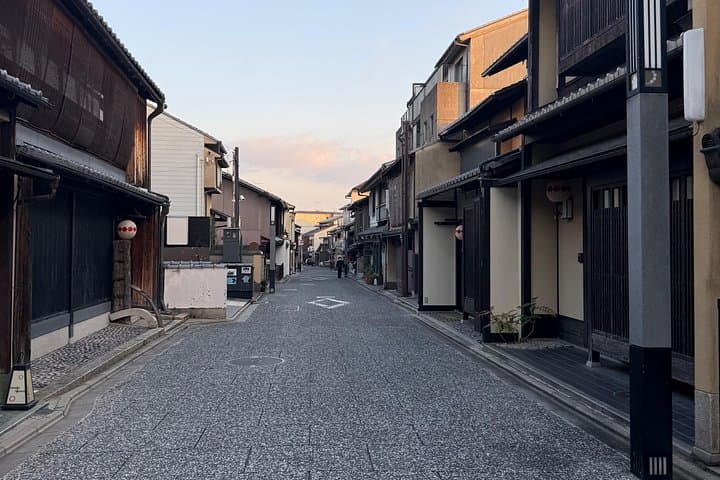
You roll out from quiet lanes, past wooden machiya and shrine lanterns, and soon the Golden Pavilion appears, its gold leaf catching light like a held breath. The Arashiyama bamboo forest leans and hushes the path; the grove’s tall stalks seem to guide you forward. Between those big moments are the city’s lived-in places: Kamishichiken’s narrow alleys where maiko still walk to evening appointments, and the centuries-old Kamigamo shrine grounds where local routines persist.
Kyoto’s layout and geology — a river plain cupped by low mountains — shaped these routes: temples sited on terraces, gardens designed around ponds and rock. The tour threads cultural history and everyday life, offering context for Nijo Castle’s defensive stonework and the learning-shrine atmosphere at Kitano Tenmangu.
Practically, expect roughly 15 miles (≈25 km) over 5–6 hours at a relaxed pace with stops for photos and short walks. Electric assist smooths the climbs but requires basic bike handling and attention in urban traffic. Helmets and bottled water are provided; carry light layers, a full phone battery for photos and navigation, and some cash for small shrine offerings or snacks.
Timing matters: early starts reduce crowding at Arashiyama and Kinkaku-ji, while late afternoon softens light for portraits of geisha districts. Move deliberately, keep pace with your guide, and let the city’s quieter streets reveal themselves.
moderate.
5–6 hours.
Moderate fitness: you’ll pedal intermittently for up to 25 km with electric assist; be comfortable being active for most of a half day.
The route covers about 15 miles (25 km) and is paced for general travelers; electric-assist lowers effort but a moderate fitness level is recommended.
Yes — e-bikes and helmets are included in the tour price; guides will fit helmets and explain bike controls before departure.
Some stops include entrance (Kinkaku-ji admission is included in this tour), while others are optional or viewed from outside; check with the guide if you want to spend extra time inside specific sites.
Suitability depends on mobility and comfort with urban cycling; children who can handle an e-bike and seniors who are steady on a bike can join, but inform the operator of special needs when booking.
Kyoto was Japan’s imperial capital for over a millennium; places like Nijo Castle and Kitano Tenmangu reflect political, religious, and artistic currents that shaped the city from the 8th century onward.
Support low-impact travel by staying on streets and paths, avoiding litter, and respecting quiet zones in geisha neighborhoods; many temples run conservation programs funded by modest admission fees.
japa-kon operates guided outdoor trips and adventures with an emphasis on safety, stewardship, and memorable experiences.
The morning air in Kyoto feels deliberate — cool along canal edges, warmer under temple eaves — and an e-bike lets you move through those moods with ease.
The morning air in Kyoto feels deliberate — cool along canal edges, warmer under temple eaves — and an e-bike lets you move through those moods with ease.
You roll out from quiet lanes, past wooden machiya and shrine lanterns, and soon the Golden Pavilion appears, its gold leaf catching light like a held breath. The Arashiyama bamboo forest leans and hushes the path; the grove’s tall stalks seem to guide you forward. Between those big moments are the city’s lived-in places: Kamishichiken’s narrow alleys where maiko still walk to evening appointments, and the centuries-old Kamigamo shrine grounds where local routines persist.
Kyoto’s layout and geology — a river plain cupped by low mountains — shaped these routes: temples sited on terraces, gardens designed around ponds and rock. The tour threads cultural history and everyday life, offering context for Nijo Castle’s defensive stonework and the learning-shrine atmosphere at Kitano Tenmangu.
Practically, expect roughly 15 miles (≈25 km) over 5–6 hours at a relaxed pace with stops for photos and short walks. Electric assist smooths the climbs but requires basic bike handling and attention in urban traffic. Helmets and bottled water are provided; carry light layers, a full phone battery for photos and navigation, and some cash for small shrine offerings or snacks.
Timing matters: early starts reduce crowding at Arashiyama and Kinkaku-ji, while late afternoon softens light for portraits of geisha districts. Move deliberately, keep pace with your guide, and let the city’s quieter streets reveal themselves.