THE ADVENTURE COLLECTIVE® · Independent discovery and booking for outdoor travel

Cover Kyoto’s temple circuits, riverside paths and the Lake Biwa Canal on an easy four‑hour e‑bike loop guided by a local. Expect comfortable distances, cultural stops, and hands‑on history along the Kamo River.
Cover Kyoto’s temple circuits, riverside paths and the Lake Biwa Canal on an easy four‑hour e‑bike loop guided by a local. Expect comfortable distances, cultural stops, and hands‑on history along the Kamo River.
The morning air in Kyoto tastes faintly of wood smoke and damp stone as an electric bicycle hums to life beneath you. Pedaling through narrow lanes, you move from the hush of temple gardens to the bright chatter along Kiyamachi Street, the Kamo River daring you to slow and listen to its current.
Verified experiences and guided adventures in the surrounding area.
Operated by Discovery Bicycle Tours Okinawa / e-CHARIty Naha · Kyoto, Kyoto Prefecture
The morning air in Kyoto tastes faintly of wood smoke and damp stone as an electric bicycle hums to life beneath you. Pedaling through narrow lanes, you move from the hush of temple gardens to the bright chatter along Kiyamachi Street, the Kamo River daring you to slow and listen to its current.
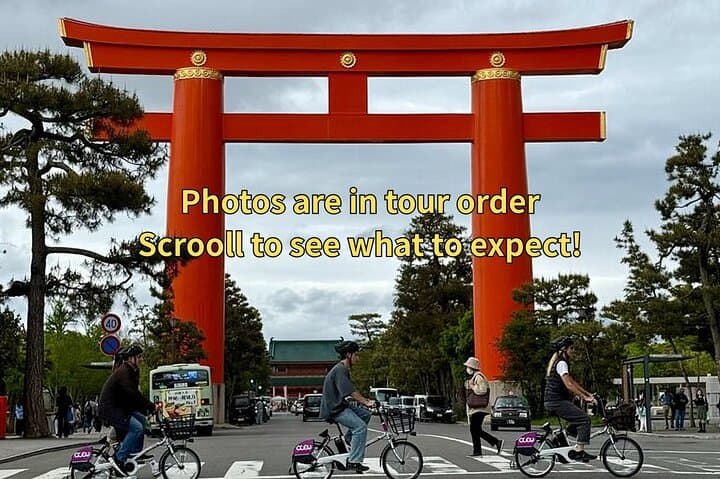
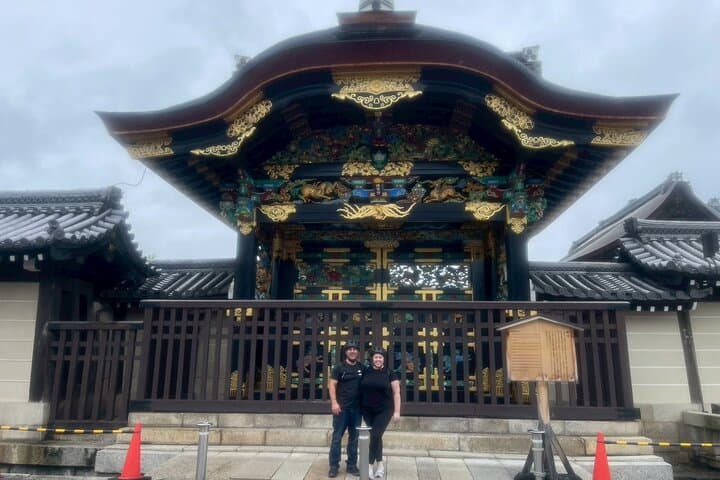
This four‑hour route traces layers of Kyoto’s history: Nishi Hongan‑ji’s centuries‑old halls; the Meiji‑era ingenuity encoded in the Lake Biwa Canal; and the ceremonial courtyards of Nanzen‑ji and Heian Shrine. The city’s geology—ancient river terraces and low volcanic outcrops—shaped settlement and the irrigation channels that made Kyoto a cultural hub.
Guides knit local anecdotes into the ride: how a regional crafts economy clustered around waterways, how buildings like Nintendo’s former headquarters mirror Kyoto’s industrial shift, and how seasonal planting along Shirakawa reveals Kyoto’s calendar.
Practically, expect 12–20 km of mixed city streets and protected riverside paths at a relaxed e‑bike pace. Helmets and bicycles are provided; participants get a safety briefing and basic hand‑signals before departure. Plan for intermittent stops to photograph temple façades and to rest at the canal banks. Bring cash for small shrine donations, respect temple etiquette, and be prepared to walk bikes through crowded precincts.
By the end you’ll have covered living history and urban nature—riverbanks that shape the city’s life, shrines that anchor its past—and the quiet satisfaction of having let an e‑bike extend both curiosity and range.
easy.
4 hours.
Suitable for most fitness levels; basic cycling ability and balance required for urban riding
Yes—helmets are supplied and fitted during the pre‑ride briefing; riders may bring their own if preferred.
Children over about 140 cm who can ride independently may join; full ticket pricing applies and confirm at booking.
The e‑bike assistance makes the route easy to moderate—expect gentle pedaling with occasional standing to navigate tight sections.
Guides primarily speak English and Japanese; some guides can speak German, Dutch, Bengali, Hindi, or Urdu—request language preferences before booking.
Nishi Hongan‑ji is a major Jōdo Shinshū temple with World Heritage‑listed buildings; the Lake Biwa Canal was engineered in the Meiji period to bring water and power to Kyoto.
Stay on designated paths near temples and riverbanks, avoid feeding wildlife, and carry out any trash to protect delicate cultural and aquatic habitats.
Discovery Bicycle Tours Okinawa / e-CHARIty Naha operates guided outdoor trips and adventures with an emphasis on safety, stewardship, and memorable experiences.
The morning air in Kyoto tastes faintly of wood smoke and damp stone as an electric bicycle hums to life beneath you. Pedaling through narrow lanes, you move from the hush of temple gardens to the bright chatter along Kiyamachi Street, the Kamo River daring you to slow and listen to its current.
The morning air in Kyoto tastes faintly of wood smoke and damp stone as an electric bicycle hums to life beneath you. Pedaling through narrow lanes, you move from the hush of temple gardens to the bright chatter along Kiyamachi Street, the Kamo River daring you to slow and listen to its current.
This four‑hour route traces layers of Kyoto’s history: Nishi Hongan‑ji’s centuries‑old halls; the Meiji‑era ingenuity encoded in the Lake Biwa Canal; and the ceremonial courtyards of Nanzen‑ji and Heian Shrine. The city’s geology—ancient river terraces and low volcanic outcrops—shaped settlement and the irrigation channels that made Kyoto a cultural hub.
Guides knit local anecdotes into the ride: how a regional crafts economy clustered around waterways, how buildings like Nintendo’s former headquarters mirror Kyoto’s industrial shift, and how seasonal planting along Shirakawa reveals Kyoto’s calendar.
Practically, expect 12–20 km of mixed city streets and protected riverside paths at a relaxed e‑bike pace. Helmets and bicycles are provided; participants get a safety briefing and basic hand‑signals before departure. Plan for intermittent stops to photograph temple façades and to rest at the canal banks. Bring cash for small shrine donations, respect temple etiquette, and be prepared to walk bikes through crowded precincts.
By the end you’ll have covered living history and urban nature—riverbanks that shape the city’s life, shrines that anchor its past—and the quiet satisfaction of having let an e‑bike extend both curiosity and range.