THE ADVENTURE COLLECTIVE® · Independent discovery and booking for outdoor travel

A 23 km guided loop through Higashiyama lets you cover Kyoto’s iconic temples, riverside cycle paths and quiet temple lanes in a single half-day ride. Expect urban cycling, short walks through temple grounds, and practical tips on timing and etiquette.
A 23 km guided loop through Higashiyama lets you cover Kyoto’s iconic temples, riverside cycle paths and quiet temple lanes in a single half-day ride. Expect urban cycling, short walks through temple grounds, and practical tips on timing and etiquette.
You push off from a small shop near Takeda Station and the city opens like a set of layered postcards: narrow wooden streets, a river that dares you to follow it, and temple gates punctuating the skyline. Pedaling toward Higashiyama, the road hums under your tires and the scent of cedar and incense threads through each block.
Verified experiences and guided adventures in the surrounding area.
Operated by Road Bike Rental Japan · Kyoto, Kyoto
You push off from a small shop near Takeda Station and the city opens like a set of layered postcards: narrow wooden streets, a river that dares you to follow it, and temple gates punctuating the skyline. Pedaling toward Higashiyama, the road hums under your tires and the scent of cedar and incense threads through each block.
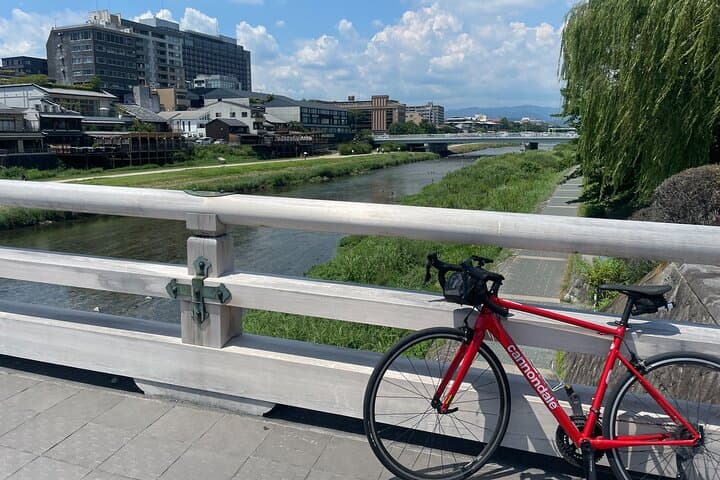
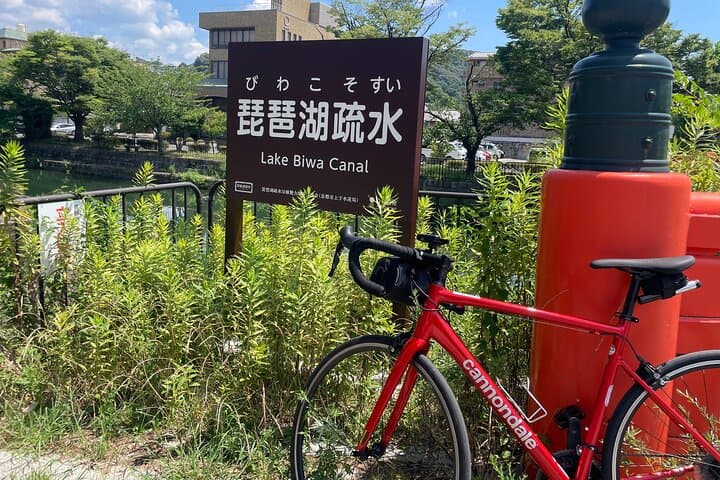
Higashiyama preserves Kyoto’s feudal-era street pattern—shrines, machiya townhouses and temple complexes laid out against low forested hills. Geologically the area sits on the gentle eastern slope of Kyoto Basin; waterways like the Kamo River carved the civic grid and now provide one of the city’s best cycle corridors. Culturally, this loop passes through neighborhoods shaped by centuries of tea houses, artisan shops and temple rituals; Nanzen-ji’s aqueduct and the riverside path are reminders that Tokyo’s modern grid never replaced Kyoto’s measured past.
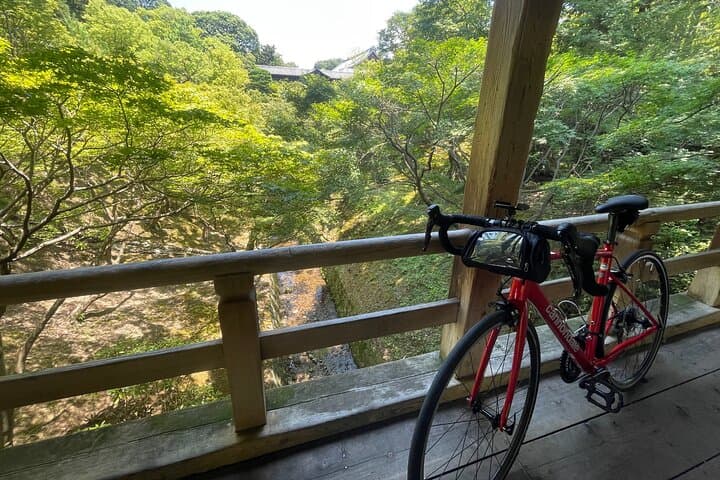
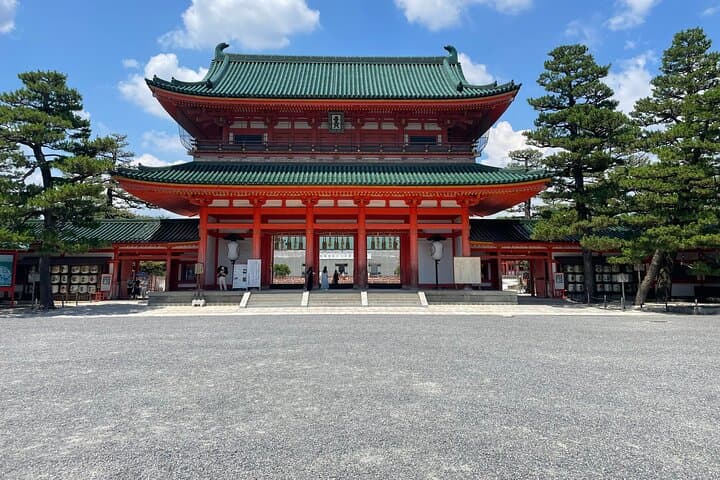
On the road expect roughly 23 km of mixed urban streets and dedicated cycle paths, with a few short, manageable climbs near temple precincts. The route balances steady movement with stops: a quick photo at a shrine gate, a five-minute walk through temple grounds, and a ten-minute exploration at Nanzen-ji. Helmets and bottled water are provided; plan for about 3–4 hours including stops.
Practical edge: ride defensively in traffic, keep to marked cycle lanes along rivers, and lock your bike when you pause in crowded tourist spots. Time your ride for morning light or late afternoon to avoid peak crowds and to see the river and temple gardens in the best color. Respect shrine etiquette and local cyclists—this is a cultural tour as much as it is a workout.
moderate.
3–4 hours.
Moderate cardio fitness; comfortable for riders who can sustain 20–25 km with short stops
The loop covers about 23 km; allow 3–4 hours including short photo and walking stops at temple grounds.
You’ll get a road bike or cross bike, helmet included; sizes are booked based on your height.
Riders should have moderate fitness and basic bike-handling skills; urban traffic requires confidence but no technical off-road skills.
Admissions are not included—this tour includes guided stops and short walk-throughs where appropriate but not paid entrance to paid attractions.
Higashiyama retains Kyoto’s Edo- and earlier-period urban fabric; temples like Nanzen-ji and nearby Kiyomizu-dera reflect religious and civic life shaped over centuries.
Stick to marked paths, avoid feeding wildlife or leaving litter, and follow bike etiquette—respect for shrines and compact urban ecosystems helps preserve this area.
Road Bike Rental Japan operates guided outdoor trips and adventures with an emphasis on safety, stewardship, and memorable experiences.
You push off from a small shop near Takeda Station and the city opens like a set of layered postcards: narrow wooden streets, a river that dares you to follow it, and temple gates punctuating the skyline. Pedaling toward Higashiyama, the road hums under your tires and the scent of cedar and incense threads through each block.
You push off from a small shop near Takeda Station and the city opens like a set of layered postcards: narrow wooden streets, a river that dares you to follow it, and temple gates punctuating the skyline. Pedaling toward Higashiyama, the road hums under your tires and the scent of cedar and incense threads through each block.
Higashiyama preserves Kyoto’s feudal-era street pattern—shrines, machiya townhouses and temple complexes laid out against low forested hills. Geologically the area sits on the gentle eastern slope of Kyoto Basin; waterways like the Kamo River carved the civic grid and now provide one of the city’s best cycle corridors. Culturally, this loop passes through neighborhoods shaped by centuries of tea houses, artisan shops and temple rituals; Nanzen-ji’s aqueduct and the riverside path are reminders that Tokyo’s modern grid never replaced Kyoto’s measured past.
On the road expect roughly 23 km of mixed urban streets and dedicated cycle paths, with a few short, manageable climbs near temple precincts. The route balances steady movement with stops: a quick photo at a shrine gate, a five-minute walk through temple grounds, and a ten-minute exploration at Nanzen-ji. Helmets and bottled water are provided; plan for about 3–4 hours including stops.
Practical edge: ride defensively in traffic, keep to marked cycle lanes along rivers, and lock your bike when you pause in crowded tourist spots. Time your ride for morning light or late afternoon to avoid peak crowds and to see the river and temple gardens in the best color. Respect shrine etiquette and local cyclists—this is a cultural tour as much as it is a workout.