THE ADVENTURE COLLECTIVE® · Independent discovery and booking for outdoor travel

Explore Kyoto on foot with a private guide who tailors the route to your interests — from temple approaches and tea-house lanes to riverside promenades. This customizable walking tour combines urban history, local insights, and practical help arranging museum visits.
Explore Kyoto on foot with a private guide who tailors the route to your interests — from temple approaches and tea-house lanes to riverside promenades. This customizable walking tour combines urban history, local insights, and practical help arranging museum visits.
Step off a busy street and find the hush of a stone lantern-lined lane; the Kamo River runs beside you, daring you to slow down and watch the city pass. On a private walking tour of Kyoto a local guide becomes a map, a translator and an interpreter of small details — the carved joinery on a machiya, the way morning light picks out cedar beams at a shrine.
Verified experiences and guided adventures in the surrounding area.
Operated by Guydeez · Kyoto, Kyoto Prefecture
Step off a busy street and find the hush of a stone lantern-lined lane; the Kamo River runs beside you, daring you to slow down and watch the city pass. On a private walking tour of Kyoto a local guide becomes a map, a translator and an interpreter of small details — the carved joinery on a machiya, the way morning light picks out cedar beams at a shrine.
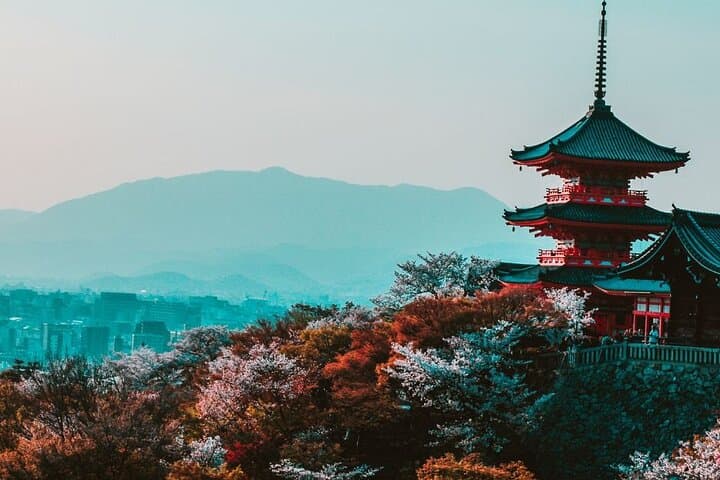
Kyoto’s story is readable in its streets: Heian and Edo influences sit beside Meiji-era modernization. Geology shaped the city — basins ringed by low mountains created microclimates that favored temples and gardens — and the result is a compact city where centuries of culture remain visible on foot. Guides often thread together Higashiyama’s temple approaches, the lantern-lined alleys of Gion, and the calmer promenades along the Kamo, pausing to explain local crafts, shrine etiquette and how seasonal festivals reorder everyday life.
Practically: tours are fully customizable and typically last 2–8 hours, covering roughly 3–10+ km on paved streets with occasional temple steps and cobbled slopes. Expect short bursts of uneven footing and many photo stops rather than long sustained climbs. Bring comfortable shoes, a lightweight rain layer, water and a charged phone; mornings and late afternoons avoid the largest crowds and highlight changing light. If you want museum entry or specific sites, request tickets in advance — the guide can help arrange them. This kind of private walking day gives context to Kyoto’s monuments and opens doors to the small, lived details visitors often miss.
easy.
2–8 hours.
Suitable for most fitness levels; you should be comfortable walking several kilometers with short breaks
Yes — guides can help arrange and book tickets ahead of time when requested; note some museums require separate admission fees.
Many central streets, riverside promenades and museum exteriors are accessible, but some temples have steps; notify the operator when booking to confirm accessible routing.
You’ll be contacted before the tour to discuss interests and priorities — temples, food, crafts or neighborhoods — and the guide will tailor the route and pacing.
Language options vary; English-speaking guides are commonly available, but request your preferred language at booking to confirm availability.
Kyoto was Japan’s imperial capital for over a millennium; its grid and temple precincts reflect urban planning from Heian-era court life through later samurai patronage.
High visitor numbers strain narrow historic streets and garden ecosystems; stick to paths, avoid feeding wildlife and support local conservation-minded shops and museums.
Guydeez operates guided outdoor trips and adventures with an emphasis on safety, stewardship, and memorable experiences.
Step off a busy street and find the hush of a stone lantern-lined lane; the Kamo River runs beside you, daring you to slow down and watch the city pass. On a private walking tour of Kyoto a local guide becomes a map, a translator and an interpreter of small details — the carved joinery on a machiya, the way morning light picks out cedar beams at a shrine.
Step off a busy street and find the hush of a stone lantern-lined lane; the Kamo River runs beside you, daring you to slow down and watch the city pass. On a private walking tour of Kyoto a local guide becomes a map, a translator and an interpreter of small details — the carved joinery on a machiya, the way morning light picks out cedar beams at a shrine.
Kyoto’s story is readable in its streets: Heian and Edo influences sit beside Meiji-era modernization. Geology shaped the city — basins ringed by low mountains created microclimates that favored temples and gardens — and the result is a compact city where centuries of culture remain visible on foot. Guides often thread together Higashiyama’s temple approaches, the lantern-lined alleys of Gion, and the calmer promenades along the Kamo, pausing to explain local crafts, shrine etiquette and how seasonal festivals reorder everyday life.
Practically: tours are fully customizable and typically last 2–8 hours, covering roughly 3–10+ km on paved streets with occasional temple steps and cobbled slopes. Expect short bursts of uneven footing and many photo stops rather than long sustained climbs. Bring comfortable shoes, a lightweight rain layer, water and a charged phone; mornings and late afternoons avoid the largest crowds and highlight changing light. If you want museum entry or specific sites, request tickets in advance — the guide can help arrange them. This kind of private walking day gives context to Kyoto’s monuments and opens doors to the small, lived details visitors often miss.