THE ADVENTURE COLLECTIVE® · Independent discovery and booking for outdoor travel

Customize a private day in Kyoto with a local guide and tick off major temples, markets, and districts on your schedule. Choose a 4‑hour half day or an 8‑hour full day and let the guide optimize routes to avoid crowds and maximize time at each site.
Customize a private day in Kyoto with a local guide and tick off major temples, markets, and districts on your schedule. Choose a 4‑hour half day or an 8‑hour full day and let the guide optimize routes to avoid crowds and maximize time at each site.
The day begins at JR Kyoto Station, under the station's modern glass roof, where the city’s wooden temples and river valleys seem to wait just beyond the plaza. A private guide leads the way through streets that still remember imperial processions — lantern light, lacquered wood, and the steady drum of footsteps on old paving.
Verified experiences and guided adventures in the surrounding area.
Operated by Japan Wonder Travel · Kyoto, Kyoto Prefecture
The day begins at JR Kyoto Station, under the station's modern glass roof, where the city’s wooden temples and river valleys seem to wait just beyond the plaza. A private guide leads the way through streets that still remember imperial processions — lantern light, lacquered wood, and the steady drum of footsteps on old paving.
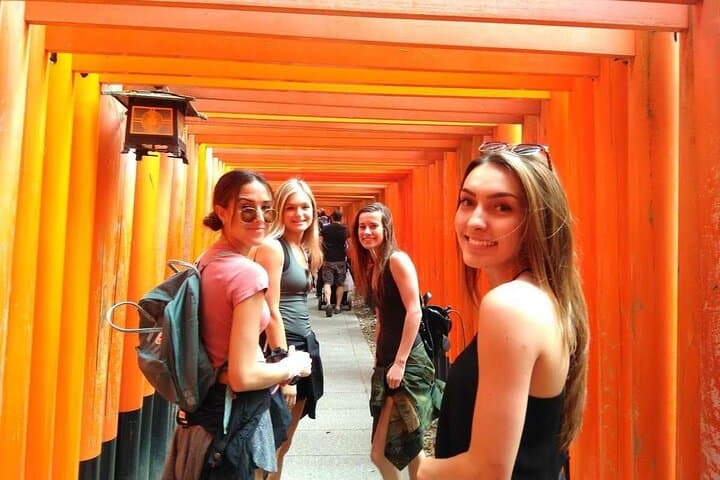
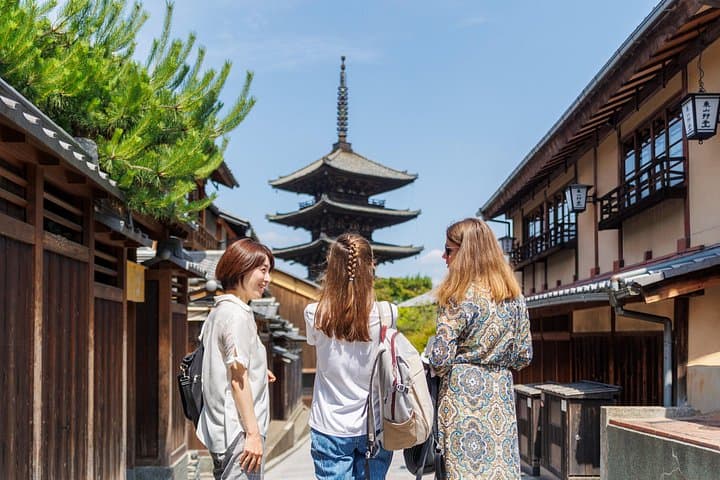
Kyoto was Japan’s capital from 794 to 1868, and its layers of history are visible in everything from Kiyomizu-dera’s nail-free wooden stage to the donated torii that climb Mount Inari. The city sits on an alluvial plain hemmed by low mountains; rivers like the Kamo nudge the urban edge and call migratory birds to shoreline reedbeds. In neighborhoods such as Gion, the culture of tea, geisha performance, and careful craft continues in narrow alleys and teahouses.
This private, customizable tour lets you choose half-day (4 hours) or full-day (8 hours) itineraries to visit highlights — Kinkaku-ji, Fushimi Inari, Arashiyama bamboo, Nijo Castle, and more. Expect mostly paved walking with short inclines (Mount Inari climb can add 200–300 meters of ascent if you go to the summit). Distances vary by itinerary: plan for 3–5 km on a half day, 8–12 km on a full day.
Practical notes: meet and finish at JR Kyoto Station for easy hotel transfers; bring comfortable walking shoes, a refillable water bottle, and a light rain jacket — the guide will handle transit logistics and adapt the route to crowds and weather. Go early to beat Fushimi Inari’s peak or choose evening for Gion’s softer light. Respect temple etiquette, and you’ll move through Kyoto’s living history with pace and purpose.
easy.
4–8 hours.
Suitable for travelers who can walk several kilometers over paved streets and climb short flights of steps; minimal stamina required for half-day, moderate for full-day.
Yes — the tour is fully customizable; half-day typically covers 2–3 spots, full-day 3–4 spots, and the guide will tailor timing and routing to your preferences.
Admission fees are generally not included unless specified; plan to pay on arrival for temples or attractions that charge.
The operator notes stroller access is possible but some temples have steps; notify in advance for wheelchair needs so the guide can plan accessible routes.
The tour runs rain or shine; in the event of official weather warnings issued by the Japan Meteorological Agency, scheduled tours may be canceled with a full refund.
Kyoto served as Japan’s imperial capital from 794 until 1868; many temples and districts preserve architectural and cultural practices centuries old.
High foot traffic stresses fragile temple gardens and paths—practice leave‑no‑trace, respect restricted areas, and use marked walkways to protect historic sites.
Japan Wonder Travel operates guided outdoor trips and adventures with an emphasis on safety, stewardship, and memorable experiences.
The day begins at JR Kyoto Station, under the station's modern glass roof, where the city’s wooden temples and river valleys seem to wait just beyond the plaza. A private guide leads the way through streets that still remember imperial processions — lantern light, lacquered wood, and the steady drum of footsteps on old paving.
The day begins at JR Kyoto Station, under the station's modern glass roof, where the city’s wooden temples and river valleys seem to wait just beyond the plaza. A private guide leads the way through streets that still remember imperial processions — lantern light, lacquered wood, and the steady drum of footsteps on old paving.
Kyoto was Japan’s capital from 794 to 1868, and its layers of history are visible in everything from Kiyomizu-dera’s nail-free wooden stage to the donated torii that climb Mount Inari. The city sits on an alluvial plain hemmed by low mountains; rivers like the Kamo nudge the urban edge and call migratory birds to shoreline reedbeds. In neighborhoods such as Gion, the culture of tea, geisha performance, and careful craft continues in narrow alleys and teahouses.
This private, customizable tour lets you choose half-day (4 hours) or full-day (8 hours) itineraries to visit highlights — Kinkaku-ji, Fushimi Inari, Arashiyama bamboo, Nijo Castle, and more. Expect mostly paved walking with short inclines (Mount Inari climb can add 200–300 meters of ascent if you go to the summit). Distances vary by itinerary: plan for 3–5 km on a half day, 8–12 km on a full day.
Practical notes: meet and finish at JR Kyoto Station for easy hotel transfers; bring comfortable walking shoes, a refillable water bottle, and a light rain jacket — the guide will handle transit logistics and adapt the route to crowds and weather. Go early to beat Fushimi Inari’s peak or choose evening for Gion’s softer light. Respect temple etiquette, and you’ll move through Kyoto’s living history with pace and purpose.