THE ADVENTURE COLLECTIVE® · Independent discovery and booking for outdoor travel

Spend two active days crossing Kyoto’s tranquil temples and Osaka’s vibrant streets. This walking tour pairs shogun-era history with modern street-food energy, ideal for travelers ready to cover ground on foot.
Spend two active days crossing Kyoto’s tranquil temples and Osaka’s vibrant streets. This walking tour pairs shogun-era history with modern street-food energy, ideal for travelers ready to cover ground on foot.
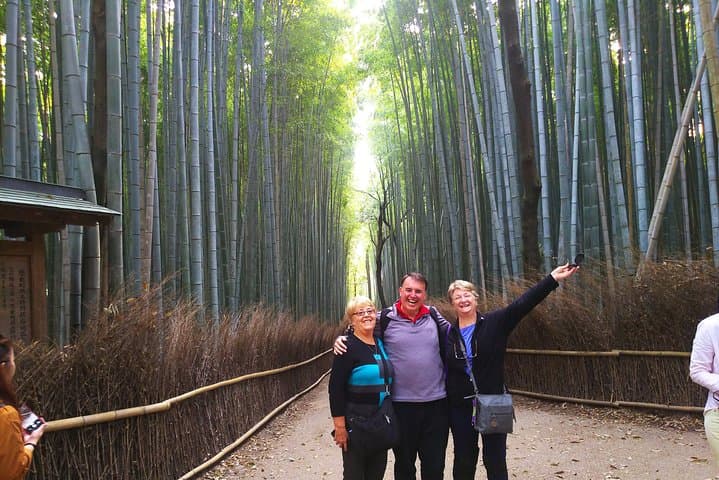
The morning air in Kyoto tastes faintly of incense and river mist as you step from a hotel into narrow stone lanes, bamboo murmuring above you like a page turned by wind.
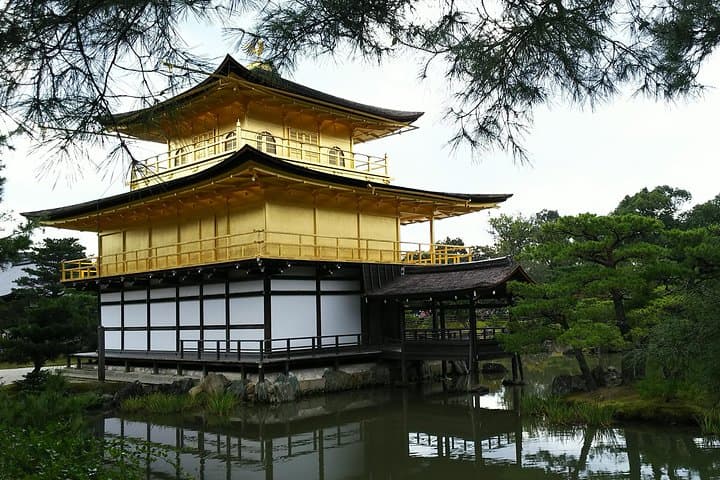
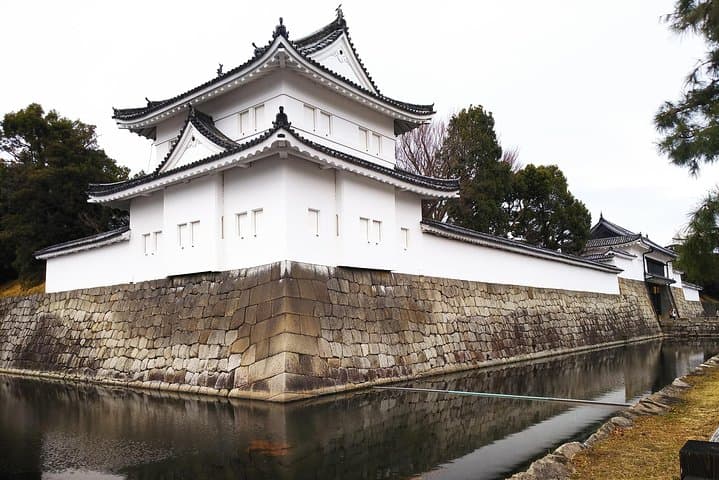
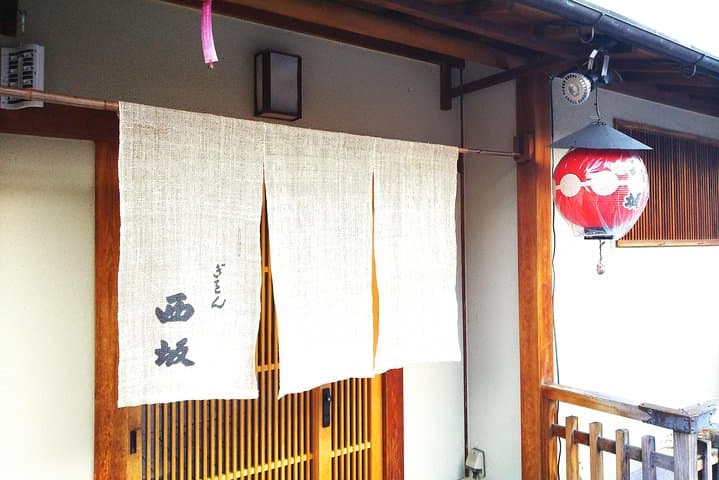
Day one threads through gilded temples and the painted screens of a shogun’s palace; courtyards and mossed stone reveal a city shaped by samurai politics and courtly leisure. By evening you’ll move into Gion, where wooden machiya keep the slow rhythm of geisha precincts alive.
On day two the tour flips to Osaka’s louder personality: a panoramic view from the museum frames Osaka Castle’s rebuilt keep, its stonework and double moat speaking to Toyotomi-era ambition. Later you feel the pulse of Dotonbori — neon signs and conveyor-belt crowds, the air sweet with takoyaki and grilled skewers.
Geology is subtle here: Kyoto’s basin collects river silt and preserves narrow valley corridors; Osaka sits on reclaimed plains where human engineering reshaped the coastline. Cultural layers are visible in architecture, from Zen-stone gardens to Edo-era castle gates.
Practical notes: expect extensive walking on mixed pavement and temple steps, multiple short public-transit hops, and several ticketed entries (admission included on key sites). Bring a daypack, comfortable shoes, and cash for smaller shrine vendors. Start early to avoid mid-day crowds and keep movement steady — this is an active city exploration that rewards pace, attention, and the willingness to trade a guided lecture for a quiet temple bench.
Verified experiences and guided adventures in the surrounding area.
Operated by KAMNAVI Tours · Kyoto, Kyoto Prefecture
The morning air in Kyoto tastes faintly of incense and river mist as you step from a hotel into narrow stone lanes, bamboo murmuring above you like a page turned by wind.
Day one threads through gilded temples and the painted screens of a shogun’s palace; courtyards and mossed stone reveal a city shaped by samurai politics and courtly leisure. By evening you’ll move into Gion, where wooden machiya keep the slow rhythm of geisha precincts alive.
On day two the tour flips to Osaka’s louder personality: a panoramic view from the museum frames Osaka Castle’s rebuilt keep, its stonework and double moat speaking to Toyotomi-era ambition. Later you feel the pulse of Dotonbori — neon signs and conveyor-belt crowds, the air sweet with takoyaki and grilled skewers.
Geology is subtle here: Kyoto’s basin collects river silt and preserves narrow valley corridors; Osaka sits on reclaimed plains where human engineering reshaped the coastline. Cultural layers are visible in architecture, from Zen-stone gardens to Edo-era castle gates.
Practical notes: expect extensive walking on mixed pavement and temple steps, multiple short public-transit hops, and several ticketed entries (admission included on key sites). Bring a daypack, comfortable shoes, and cash for smaller shrine vendors. Start early to avoid mid-day crowds and keep movement steady — this is an active city exploration that rewards pace, attention, and the willingness to trade a guided lecture for a quiet temple bench.
moderate.
2 days (approx. 8–10 hours per day).
Able to walk 10–15 km per day on paved surfaces and climb stairs; moderate stamina required for back-to-back sightseeing days.
Moderate — expect several hours of walking each day on paved streets and temple grounds with stairs; public-transport hops reduce long-distance walking.
Admission fees for key attractions and public-transport fares are listed as included in the tour package, but carry small cash for optional purchases.
Yes—inform the operator when booking so lunch stops can be arranged or alternatives suggested, though some small vendors may have limited options.
Meet-up and end points are central Kyoto hotels; private transport is not provided, so plan to use scheduled meeting locations or nearby hotels for convenience.
Kyoto was the imperial capital and cultural center for over a millennium; Nijo Castle reflects Tokugawa shogunate power, while Osaka Castle symbolizes Toyotomi ambition and later civic reinvention.
High visitor volume stresses fragile temple gardens and historic wooden districts; stick to paths, avoid touching artifacts, and support local conservation by using public transit and refraining from single-use plastics.
KAMNAVI Tours operates guided outdoor trips and adventures with an emphasis on safety, stewardship, and memorable experiences.
The morning air in Kyoto tastes faintly of incense and river mist as you step from a hotel into narrow stone lanes, bamboo murmuring above you like a page turned by wind.
Day one threads through gilded temples and the painted screens of a shogun’s palace; courtyards and mossed stone reveal a city shaped by samurai politics and courtly leisure. By evening you’ll move into Gion, where wooden machiya keep the slow rhythm of geisha precincts alive.
On day two the tour flips to Osaka’s louder personality: a panoramic view from the museum frames Osaka Castle’s rebuilt keep, its stonework and double moat speaking to Toyotomi-era ambition. Later you feel the pulse of Dotonbori — neon signs and conveyor-belt crowds, the air sweet with takoyaki and grilled skewers.
Geology is subtle here: Kyoto’s basin collects river silt and preserves narrow valley corridors; Osaka sits on reclaimed plains where human engineering reshaped the coastline. Cultural layers are visible in architecture, from Zen-stone gardens to Edo-era castle gates.
Practical notes: expect extensive walking on mixed pavement and temple steps, multiple short public-transit hops, and several ticketed entries (admission included on key sites). Bring a daypack, comfortable shoes, and cash for smaller shrine vendors. Start early to avoid mid-day crowds and keep movement steady — this is an active city exploration that rewards pace, attention, and the willingness to trade a guided lecture for a quiet temple bench.
The morning air in Kyoto tastes faintly of incense and river mist as you step from a hotel into narrow stone lanes, bamboo murmuring above you like a page turned by wind.
Day one threads through gilded temples and the painted screens of a shogun’s palace; courtyards and mossed stone reveal a city shaped by samurai politics and courtly leisure. By evening you’ll move into Gion, where wooden machiya keep the slow rhythm of geisha precincts alive.
On day two the tour flips to Osaka’s louder personality: a panoramic view from the museum frames Osaka Castle’s rebuilt keep, its stonework and double moat speaking to Toyotomi-era ambition. Later you feel the pulse of Dotonbori — neon signs and conveyor-belt crowds, the air sweet with takoyaki and grilled skewers.
Geology is subtle here: Kyoto’s basin collects river silt and preserves narrow valley corridors; Osaka sits on reclaimed plains where human engineering reshaped the coastline. Cultural layers are visible in architecture, from Zen-stone gardens to Edo-era castle gates.
Practical notes: expect extensive walking on mixed pavement and temple steps, multiple short public-transit hops, and several ticketed entries (admission included on key sites). Bring a daypack, comfortable shoes, and cash for smaller shrine vendors. Start early to avoid mid-day crowds and keep movement steady — this is an active city exploration that rewards pace, attention, and the willingness to trade a guided lecture for a quiet temple bench.