THE ADVENTURE COLLECTIVE® · Independent discovery and booking for outdoor travel

Train in a 160-year-old Kyoto dojo and learn seated Kyudo — a disciplined, ritualized form of Japanese archery. This one-hour class pairs hands-on bow work with cultural context; follow etiquette, wear flexible clothing, and arrive ready to focus.
Train in a 160-year-old Kyoto dojo and learn seated Kyudo — a disciplined, ritualized form of Japanese archery. This one-hour class pairs hands-on bow work with cultural context; follow etiquette, wear flexible clothing, and arrive ready to focus.
You step through a low wooden lintel and the air changes: cool, dry, the scent of polished wood and old rice straw. Light from paper shōji screens slices the practice floor into soft bands; a single target waits at the far end. The rhythm here is slow and exact — breath, draw, release — and even as a beginner you feel the reach of a tradition that has moved through this space for more than a century and a half.
Verified experiences and guided adventures in the surrounding area.
Operated by 株式会社Honey J コーポレーション · Kyoto, Kyoto
You step through a low wooden lintel and the air changes: cool, dry, the scent of polished wood and old rice straw. Light from paper shōji screens slices the practice floor into soft bands; a single target waits at the far end. The rhythm here is slow and exact — breath, draw, release — and even as a beginner you feel the reach of a tradition that has moved through this space for more than a century and a half.
Kyudo evolved from samurai battlefield archery and was codified during the Edo period; modern dojos still teach an aesthetic of posture and intent as much as accuracy. Kyoto’s geology — sedimentary plains feeding nearby low hills — put communities here in easy reach of timber and bamboo, materials still visible in the dojo’s construction and its long yumi (bow). The experience is cultural as much as physical: etiquette, quiet focus and the ritualized movements reflect Japan’s layered social history.
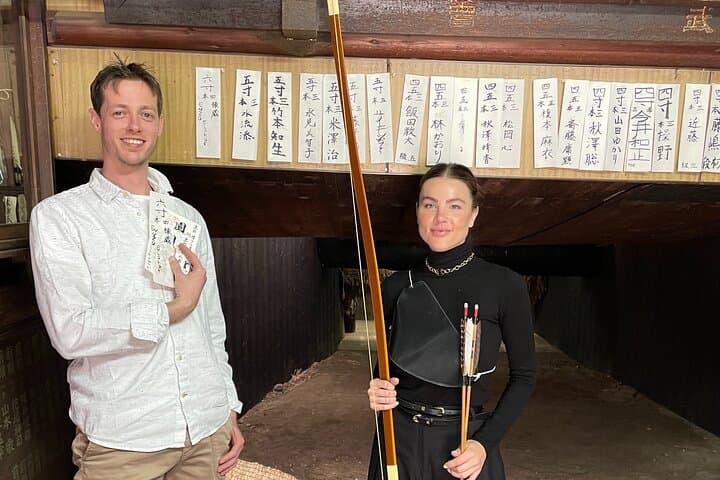
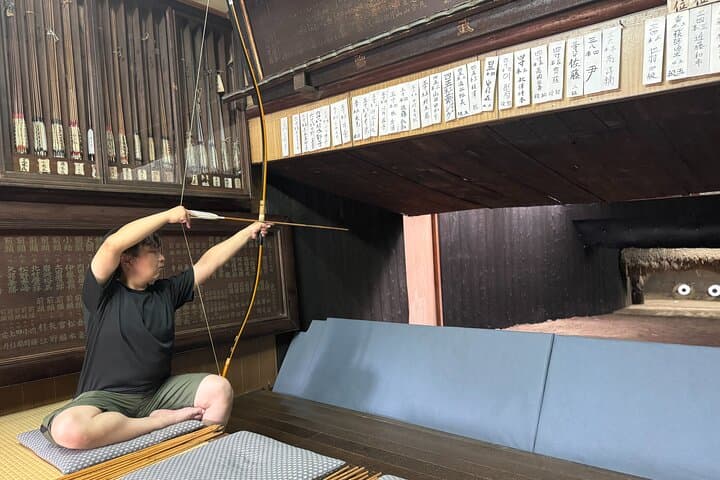
Expect expert instruction, seated (kiza) technique, and hands-on use of real longbows and arrows. The class moves deliberately: a short safety talk, guided posture work, and repeated shooting with corrective coaching. You may earn the honor of writing your name in calligraphy if you meet the score — a local practice that ties performance to ceremony.
Practical tips: arrive in flexible trousers and remove shoes; allow a little extra time to learn basic bows and bowsmanship; hydrate beforehand because kneeling can be taxing; and bring a compact camera for respectful photos after class. This is a one-hour, beginner-friendly cultural-physical activity that rewards patience and attention to form.
moderate.
1 hour.
Moderate level of fitness and flexibility; comfortable kneeling and basic upper-body control help.
No — classes are beginner-friendly and instructors provide step-by-step guidance on seated Kyudo technique.
Not recommended for travelers with serious back, heart, or pregnancy-related concerns; moderate fitness and ability to kneel are advised.
English-speaking guides or translators are provided alongside Japanese instruction to assist non-Japanese speakers.
Equipment is provided for the class; personal keepsakes are not typically allowed but you may be able to buy calligraphy or photos as mementos.
Kyudo traces its lineage to samurai archery; the formalized seated practice taught in Kyoto today preserves techniques refined since the late Edo period.
Dojo culture emphasizes preservation of materials and ritual — treat tatami and wooden floors gently, and support local artisans when purchasing bows or calligraphy.
株式会社Honey J コーポレーション operates guided outdoor trips and adventures with an emphasis on safety, stewardship, and memorable experiences.
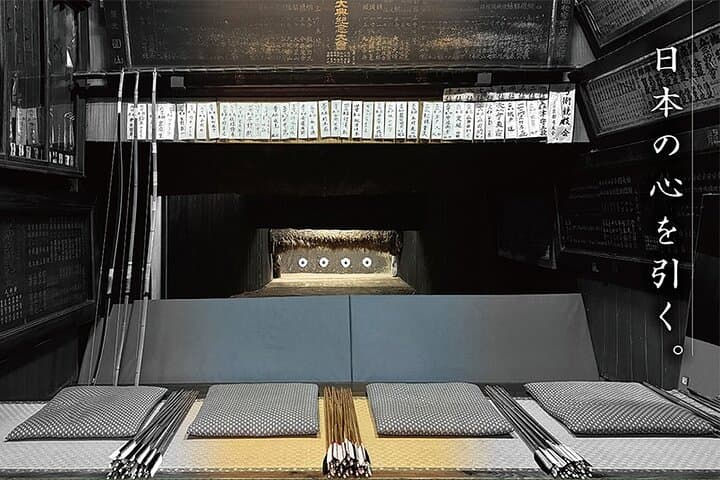
You step through a low wooden lintel and the air changes: cool, dry, the scent of polished wood and old rice straw. Light from paper shōji screens slices the practice floor into soft bands; a single target waits at the far end. The rhythm here is slow and exact — breath, draw, release — and even as a beginner you feel the reach of a tradition that has moved through this space for more than a century and a half.
You step through a low wooden lintel and the air changes: cool, dry, the scent of polished wood and old rice straw. Light from paper shōji screens slices the practice floor into soft bands; a single target waits at the far end. The rhythm here is slow and exact — breath, draw, release — and even as a beginner you feel the reach of a tradition that has moved through this space for more than a century and a half.
Kyudo evolved from samurai battlefield archery and was codified during the Edo period; modern dojos still teach an aesthetic of posture and intent as much as accuracy. Kyoto’s geology — sedimentary plains feeding nearby low hills — put communities here in easy reach of timber and bamboo, materials still visible in the dojo’s construction and its long yumi (bow). The experience is cultural as much as physical: etiquette, quiet focus and the ritualized movements reflect Japan’s layered social history.
Expect expert instruction, seated (kiza) technique, and hands-on use of real longbows and arrows. The class moves deliberately: a short safety talk, guided posture work, and repeated shooting with corrective coaching. You may earn the honor of writing your name in calligraphy if you meet the score — a local practice that ties performance to ceremony.
Practical tips: arrive in flexible trousers and remove shoes; allow a little extra time to learn basic bows and bowsmanship; hydrate beforehand because kneeling can be taxing; and bring a compact camera for respectful photos after class. This is a one-hour, beginner-friendly cultural-physical activity that rewards patience and attention to form.