THE ADVENTURE COLLECTIVE® · Independent discovery and booking for outdoor travel

A technical 6,186m expedition in Nepal’s Khumbu, Kyajo Ri combines glacier travel, fixed ropes and close encounters with Sherpa highland life. This guide outlines what to expect, how to prepare, and the practical steps for a safe summit push.
A technical 6,186m expedition in Nepal’s Khumbu, Kyajo Ri combines glacier travel, fixed ropes and close encounters with Sherpa highland life. This guide outlines what to expect, how to prepare, and the practical steps for a safe summit push.
Morning light slices the ridgelines of the Khumbu as you stand beneath a sky so sharp it feels like glass—this is Kyajo Ri, a technical 6,186m climb that rewards disciplined teams with panoramic views of Everest, Lhotse, Makalu and Ama Dablam.
Verified experiences and guided adventures in the surrounding area.
Operated by Nepal Guide Treks and Expedition P. Ltd. · Namche Bazaar, Province No. 1
Morning light slices the ridgelines of the Khumbu as you stand beneath a sky so sharp it feels like glass—this is Kyajo Ri, a technical 6,186m climb that rewards disciplined teams with panoramic views of Everest, Lhotse, Makalu and Ama Dablam.
The climb threads through a landscape shaped by glacial carving and high-alpine geology: moraines, cirque basins and steep granite bands that demand route-finding and fixed ropes above Camp I. The Khumbu valley itself is dominated by Sherpa settlements whose culture centers on Tibetan Buddhist stupas, mani walls and high-altitude pastoralism; many of the trails follow ancient trade corridors to Tibet.
Expect a classic expedition rhythm—Kathmandu’s hectic streets and paperwork, a scenic Lukla flight, steady trekking through Dudh Kosi forests to Namche Bazaar for acclimatization, then remote yak pastures to a high base camp. Above 5,200m terrain becomes rocky and glaciated: crampons, ice screws and fixed lines are routine. Summit day is an early, weather-dependent push before afternoon winds increase.
Practical edge: build glacier travel and crampon skills beforehand, plan for flexible Lukla flights (weather delays common), and budget extra days for acclimatization. Hydration, calorie-dense meals and layered insulation are critical; frostbite and AMS are real risks.
If you go, travel respectfully—support local crews, follow park regulations in Sagarmatha National Park, and leave no trace. Kyajo Ri is an authentic Himalayan objective: technically engaging, culturally rich and scenically uncompromising.
difficult.
17 days.
Excellent aerobic fitness and prior high-altitude trekking or climbing experience (regular cardio, long hikes with load).
Pre-monsoon (March–May) and post-monsoon (September–November) offer the most stable weather and clear summit views.
Yes—participants should have prior experience with crampons, ice-axe arrest and basic fixed-rope techniques or arrange private instruction beforehand.
Flights are scenic but frequently delayed or canceled due to mountain weather; itineraries include buffer days for this reason.
You need Sagarmatha National Park entry and TIMS permit; passport details are required at booking and checkpoint registration is enforced.
The Khumbu has long been a Himalayan trade corridor and the Sherpa people developed high-altitude culture and mountaineering expertise, later supporting major Himalayan expeditions.
This route passes through Sagarmatha National Park; follow waste management rules, use crew-served waste removal, and minimize campfire use to protect fragile alpine ecosystems.
Nepal Guide Treks and Expedition P. Ltd. operates guided outdoor trips and adventures with an emphasis on safety, stewardship, and memorable experiences.
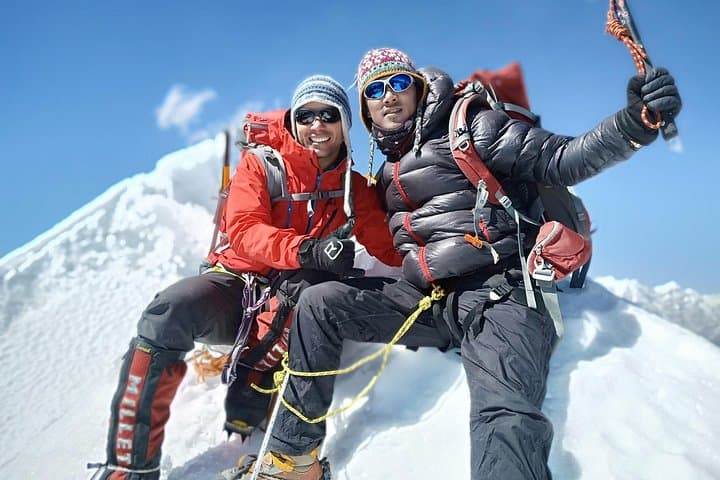
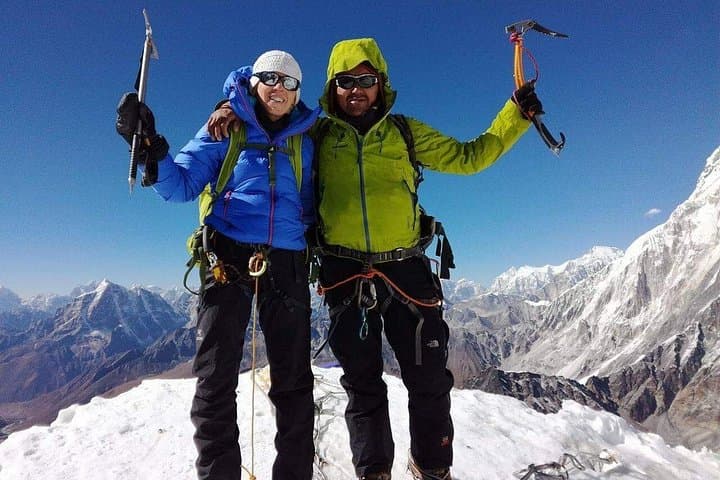
Morning light slices the ridgelines of the Khumbu as you stand beneath a sky so sharp it feels like glass—this is Kyajo Ri, a technical 6,186m climb that rewards disciplined teams with panoramic views of Everest, Lhotse, Makalu and Ama Dablam.
Morning light slices the ridgelines of the Khumbu as you stand beneath a sky so sharp it feels like glass—this is Kyajo Ri, a technical 6,186m climb that rewards disciplined teams with panoramic views of Everest, Lhotse, Makalu and Ama Dablam.
The climb threads through a landscape shaped by glacial carving and high-alpine geology: moraines, cirque basins and steep granite bands that demand route-finding and fixed ropes above Camp I. The Khumbu valley itself is dominated by Sherpa settlements whose culture centers on Tibetan Buddhist stupas, mani walls and high-altitude pastoralism; many of the trails follow ancient trade corridors to Tibet.
Expect a classic expedition rhythm—Kathmandu’s hectic streets and paperwork, a scenic Lukla flight, steady trekking through Dudh Kosi forests to Namche Bazaar for acclimatization, then remote yak pastures to a high base camp. Above 5,200m terrain becomes rocky and glaciated: crampons, ice screws and fixed lines are routine. Summit day is an early, weather-dependent push before afternoon winds increase.
Practical edge: build glacier travel and crampon skills beforehand, plan for flexible Lukla flights (weather delays common), and budget extra days for acclimatization. Hydration, calorie-dense meals and layered insulation are critical; frostbite and AMS are real risks.
If you go, travel respectfully—support local crews, follow park regulations in Sagarmatha National Park, and leave no trace. Kyajo Ri is an authentic Himalayan objective: technically engaging, culturally rich and scenically uncompromising.