THE ADVENTURE COLLECTIVE® · Independent discovery and booking for outdoor travel

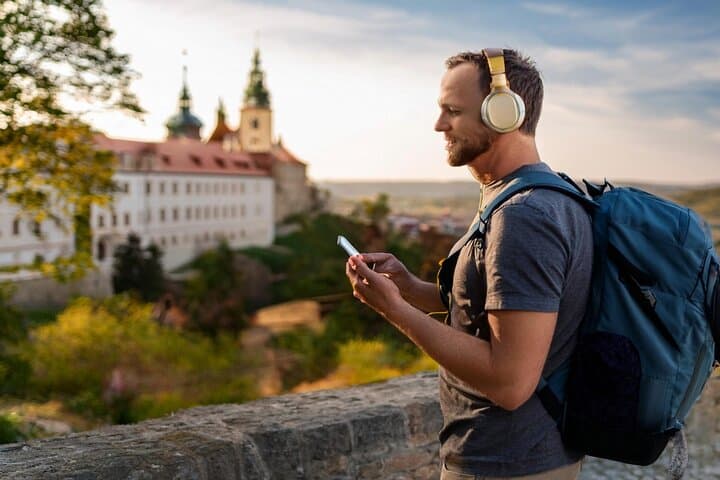
Walk at your own pace through Kutná Hora with an offline audio guide that unlocks the ossuary, cathedral, and medieval mint. Download the app, follow GPS-triggered narration, and allow 3–4 hours to absorb the town's silver-driven history.
Walk at your own pace through Kutná Hora with an offline audio guide that unlocks the ossuary, cathedral, and medieval mint. Download the app, follow GPS-triggered narration, and allow 3–4 hours to absorb the town's silver-driven history.
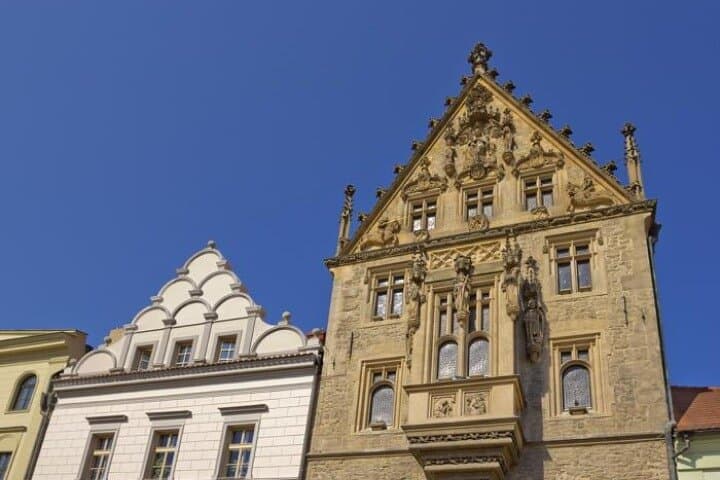
A thin mist lifts from the Vrchlice River as you step off the local bus and into Kutná Hora's compact core. Cobblestones click beneath your shoes, an audio prompt slides into your ear and the guide begins—historical facts arriving exactly where you stand. The town's stone facades and carved portals close in, its churches and former mint drawing the eye like chapters of a living chronicle.
Verified experiences and guided adventures in the surrounding area.
Operated by SmartGuide · Kutná Hora, Central Bohemian Region
A thin mist lifts from the Vrchlice River as you step off the local bus and into Kutná Hora's compact core. Cobblestones click beneath your shoes, an audio prompt slides into your ear and the guide begins—historical facts arriving exactly where you stand. The town's stone facades and carved portals close in, its churches and former mint drawing the eye like chapters of a living chronicle.
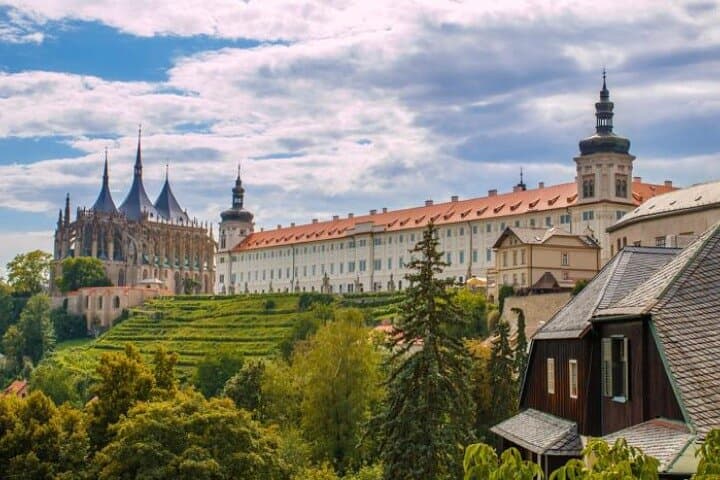
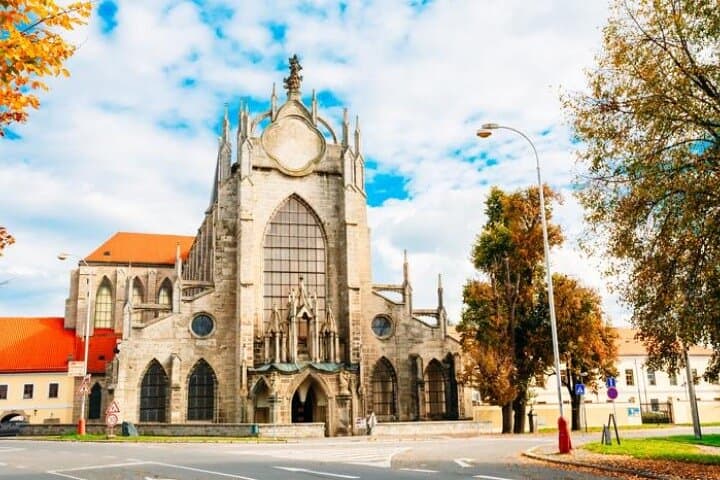
Kutná Hora grew rich on Bohemian silver in the Middle Ages; that wealth built St. Barbara's Cathedral and funded the royal Italian Court. Sedlec's ossuary, a short walk or tram ride away, turns mortality into a striking visual language—human bones arranged into chandeliers and decorations that force a quiet, reflective pace. The Gothic fountain, Jesuit chapel, and the Hrádek museum add layers: architecture, mining history, and local civic life.
Geology here is literal—veins of silver once threaded the hills, shaping trade routes and settlement patterns. Culturally, Kutná Hora sits between pilgrimage and industry; expect small cafés serving Czech classics and narrow lanes that favor pedestrians over cars.
Practical guidance: plan 3–4 hours to follow the self-guided route, ideally between 10:00–16:00 when interiors are likelier to be open. Download the mobile app and offline maps ahead of time—the tour uses GPS triggers. Bring local currency or a card for optional entries to St. Barbara's or the ossuary; admission isn't included. Wear comfortable walking shoes: the streets are short but uneven. Weekdays and early afternoons reduce crowds; dress for rapidly changing weather, especially in shoulder seasons.
easy.
3–4 hours.
Minimal fitness needed — mostly walking on flat to gently sloped cobbles over short distances
The self-guided audio tour is designed to be complete and GPS-triggered so most travelers find it sufficient; a live guide isn't necessary unless you prefer interpretive Q&A.
No—entrance to attractions like St. Barbara's Cathedral and Sedlec Ossuary is optional and not covered by the booking price.
Many public areas and parts of the route are accessible, but some historic sites have steps and uneven cobbles; check specific attraction accessibility before visiting.
Regular regional trains and buses run from Prague (about 60–80 minutes); some travelers opt for a short local bus from the train station into the historic center.
Kutná Hora's medieval prosperity came from silver mining; the royal Italian Court housed the mint that struck Bohemian coins, shaping European finance in the Middle Ages.
Visitors are asked to respect fragile stonework and interior exhibits; staying on marked paths and avoiding flash photography in some chapels helps preserve the sites.
SmartGuide operates guided outdoor trips and adventures with an emphasis on safety, stewardship, and memorable experiences.
A thin mist lifts from the Vrchlice River as you step off the local bus and into Kutná Hora's compact core. Cobblestones click beneath your shoes, an audio prompt slides into your ear and the guide begins—historical facts arriving exactly where you stand. The town's stone facades and carved portals close in, its churches and former mint drawing the eye like chapters of a living chronicle.
A thin mist lifts from the Vrchlice River as you step off the local bus and into Kutná Hora's compact core. Cobblestones click beneath your shoes, an audio prompt slides into your ear and the guide begins—historical facts arriving exactly where you stand. The town's stone facades and carved portals close in, its churches and former mint drawing the eye like chapters of a living chronicle.
Kutná Hora grew rich on Bohemian silver in the Middle Ages; that wealth built St. Barbara's Cathedral and funded the royal Italian Court. Sedlec's ossuary, a short walk or tram ride away, turns mortality into a striking visual language—human bones arranged into chandeliers and decorations that force a quiet, reflective pace. The Gothic fountain, Jesuit chapel, and the Hrádek museum add layers: architecture, mining history, and local civic life.
Geology here is literal—veins of silver once threaded the hills, shaping trade routes and settlement patterns. Culturally, Kutná Hora sits between pilgrimage and industry; expect small cafés serving Czech classics and narrow lanes that favor pedestrians over cars.
Practical guidance: plan 3–4 hours to follow the self-guided route, ideally between 10:00–16:00 when interiors are likelier to be open. Download the mobile app and offline maps ahead of time—the tour uses GPS triggers. Bring local currency or a card for optional entries to St. Barbara's or the ossuary; admission isn't included. Wear comfortable walking shoes: the streets are short but uneven. Weekdays and early afternoons reduce crowds; dress for rapidly changing weather, especially in shoulder seasons.