THE ADVENTURE COLLECTIVE® · Independent discovery and booking for outdoor travel

Explore Kutná Hora’s Gothic cathedral, medieval mint and the eerie Sedlec Ossuary on a compact 5‑hour private tour from Prague. This short day trip pairs easy walking with deep history and striking UNESCO architecture.
Explore Kutná Hora’s Gothic cathedral, medieval mint and the eerie Sedlec Ossuary on a compact 5‑hour private tour from Prague. This short day trip pairs easy walking with deep history and striking UNESCO architecture.
A pre-dawn drive from Prague eases onto country roads and, after an hour, the town of Kutná Hora appears: steep-roofed Gothic silhouettes against a pale sky, cobbled streets wet with morning mist. The Cathedral of St. Barbara looms above the old mining quarter—stone ribs and flying buttresses that read like the town’s ledger of wealth and labor.
Verified experiences and guided adventures in the surrounding area.
Operated by conciergeprague.com · Kutná Hora, Central Bohemian Region
A pre-dawn drive from Prague eases onto country roads and, after an hour, the town of Kutná Hora appears: steep-roofed Gothic silhouettes against a pale sky, cobbled streets wet with morning mist. The Cathedral of St. Barbara looms above the old mining quarter—stone ribs and flying buttresses that read like the town’s ledger of wealth and labor.
Kutná Hora rose on silver veins in the 13th–16th centuries and the built environment still keeps that history: the medieval mint, narrow guild houses, and St. Barbara’s vaults that marked a boomtown’s confidence. The Sedlec Ossuary, a short drive away, is a sobering counterpoint: a small Cistercian church whose interiors are arranged from some 40,000 human bones, a medieval approach to mortality and sacred ground. Geologically, the region sits on Carboniferous deposits that once carried the ore that shaped Bohemia’s medieval economy; culturally the town holds a strong legacy of Gothic and Renaissance patronage.
Practical guidance: expect 5 hours total with private, air-conditioned transport and 1–2 hours of walking on uneven cobbles and short stair climbs. Bring supportive footwear, a light jacket for changing weather, and quiet respect for religious sites—photography rules vary inside churches. Time your visit for mornings or late afternoons to avoid coach crowds and to catch softer light on stone façades.
The tour blends easy walking with concentrated history; it’s best suited to travelers who want close-up access to UNESCO architecture without a strenuous hike, and who appreciate a mix of human story and the landscape that shaped it.
easy.
5 hours.
Light fitness—suitable for most people who can walk on uneven ground for 1–2 hours
The drive is roughly 60–80 km and typically takes about 1–1.5 hours each way depending on traffic.
This itinerary typically includes transport but not entrance fees—check the booking details to confirm what’s covered.
The walking is light but narrow cobbles and stairs make strollers difficult; infant seats can be provided in the vehicle on request.
Photography rules vary by room—modest, non-flash photography is often allowed, but always follow posted signs and staff instructions.
Kutná Hora grew wealthy on silver mining in the Middle Ages; its mint and churches reflect the town’s role in medieval Bohemian politics and economy.
Preservation focuses on managing visitor impact on fragile Gothic interiors and limiting wear on historic cobbles; stay on marked paths and avoid touching frescoes or stonework.
conciergeprague.com operates guided outdoor trips and adventures with an emphasis on safety, stewardship, and memorable experiences.
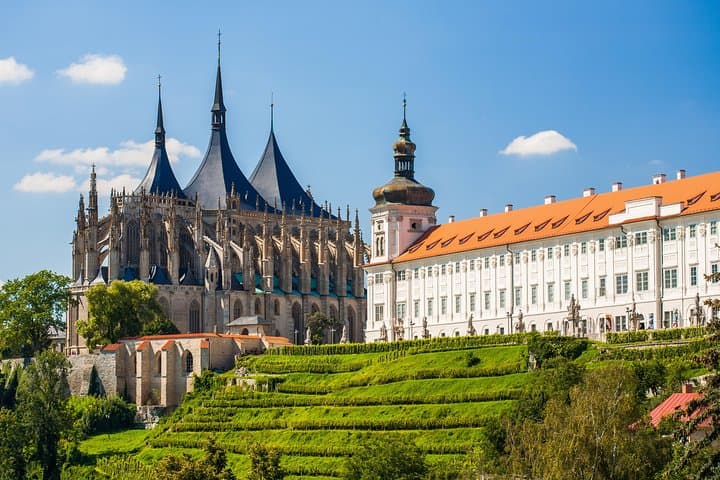
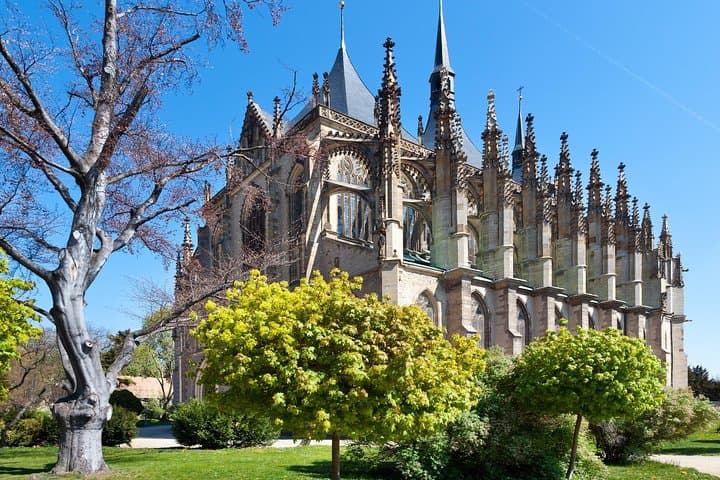
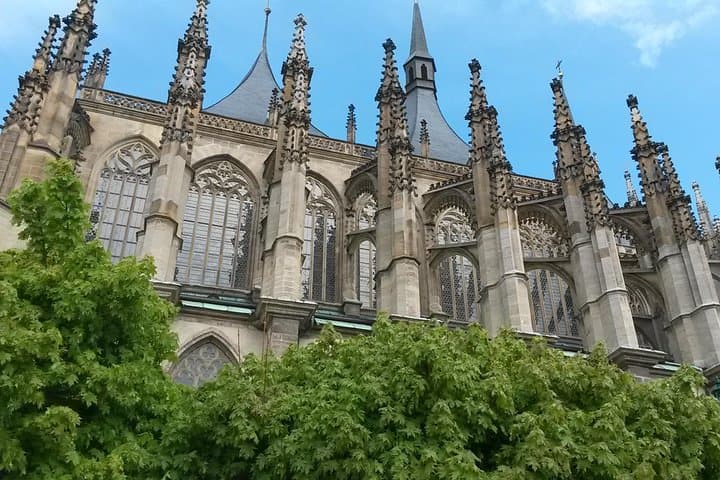
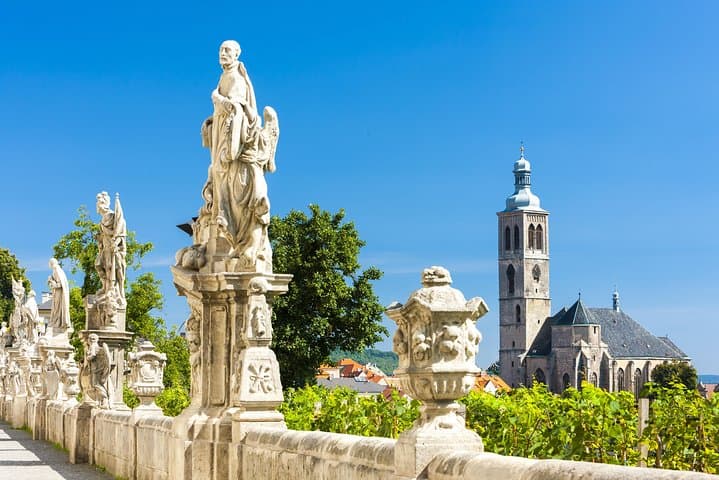
A pre-dawn drive from Prague eases onto country roads and, after an hour, the town of Kutná Hora appears: steep-roofed Gothic silhouettes against a pale sky, cobbled streets wet with morning mist. The Cathedral of St. Barbara looms above the old mining quarter—stone ribs and flying buttresses that read like the town’s ledger of wealth and labor.
A pre-dawn drive from Prague eases onto country roads and, after an hour, the town of Kutná Hora appears: steep-roofed Gothic silhouettes against a pale sky, cobbled streets wet with morning mist. The Cathedral of St. Barbara looms above the old mining quarter—stone ribs and flying buttresses that read like the town’s ledger of wealth and labor.
Kutná Hora rose on silver veins in the 13th–16th centuries and the built environment still keeps that history: the medieval mint, narrow guild houses, and St. Barbara’s vaults that marked a boomtown’s confidence. The Sedlec Ossuary, a short drive away, is a sobering counterpoint: a small Cistercian church whose interiors are arranged from some 40,000 human bones, a medieval approach to mortality and sacred ground. Geologically, the region sits on Carboniferous deposits that once carried the ore that shaped Bohemia’s medieval economy; culturally the town holds a strong legacy of Gothic and Renaissance patronage.
Practical guidance: expect 5 hours total with private, air-conditioned transport and 1–2 hours of walking on uneven cobbles and short stair climbs. Bring supportive footwear, a light jacket for changing weather, and quiet respect for religious sites—photography rules vary inside churches. Time your visit for mornings or late afternoons to avoid coach crowds and to catch softer light on stone façades.
The tour blends easy walking with concentrated history; it’s best suited to travelers who want close-up access to UNESCO architecture without a strenuous hike, and who appreciate a mix of human story and the landscape that shaped it.