THE ADVENTURE COLLECTIVE® · Independent discovery and booking for outdoor travel

Explore Kutná Hora’s Gothic cathedrals, the bone-crafted Sedlec Ossuary, and a Demeter-certified biodynamic winery on this private full-day tour from Prague. Expect a one-hour train ride, cobbled streets, and a hands-on wine tasting paired with local charcuterie.
Explore Kutná Hora’s Gothic cathedrals, the bone-crafted Sedlec Ossuary, and a Demeter-certified biodynamic winery on this private full-day tour from Prague. Expect a one-hour train ride, cobbled streets, and a hands-on wine tasting paired with local charcuterie.
You step off the regional train and the city hits you in layers: cold stone underfoot, the vertical ribs of Gothic vaults slicing the sky, and a quiet that makes every footstep sound like a conversation with history.
Verified experiences and guided adventures in the surrounding area.
Operated by Explore Prague · Kutná Hora, Central Bohemian Region
You step off the regional train and the city hits you in layers: cold stone underfoot, the vertical ribs of Gothic vaults slicing the sky, and a quiet that makes every footstep sound like a conversation with history.
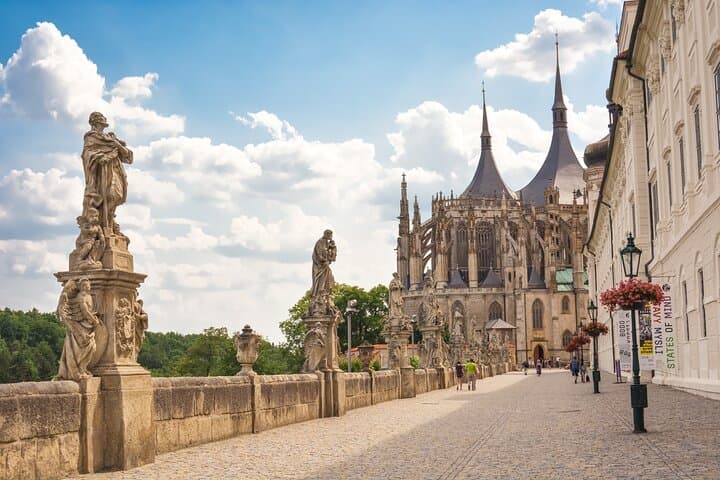
Kutná Hora earned its wealth from medieval silver veins that turned this town into a European economic center; the carved portals of St. Barbara’s Cathedral and the hulking Cistercian abbey recall that boom. Geologically, the area sits on ore-rich deposits that drove mining technology and urban growth in the Middle Ages. Culturally, it’s a tight weave of monastic influence, bohemian craft, and modern Czech wine revival.
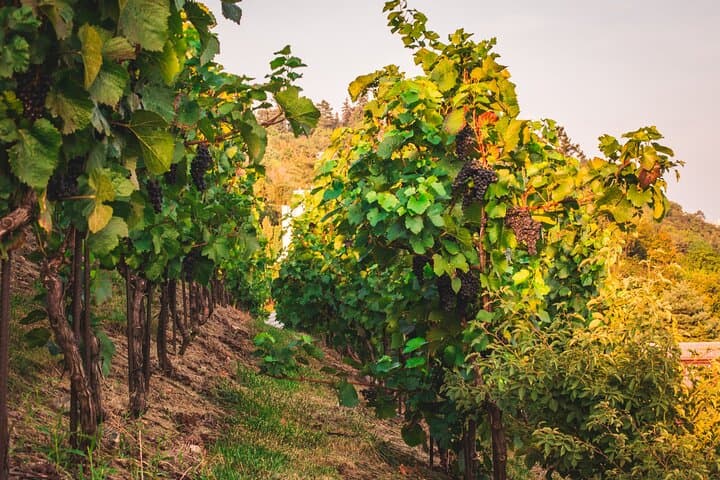
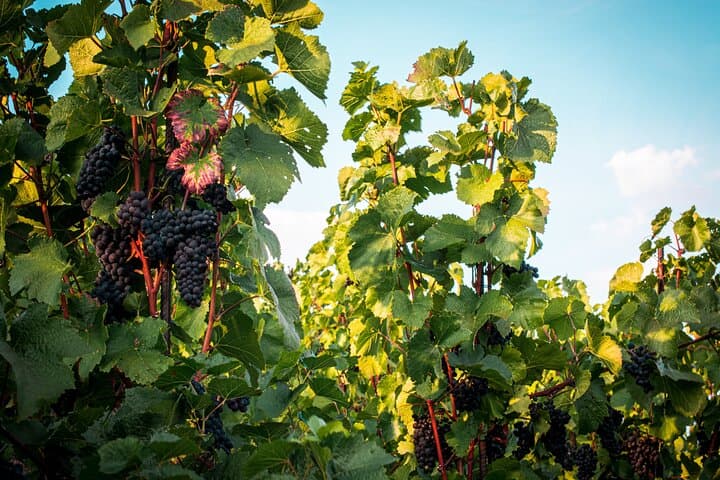
The Sedlec Ossuary confronts visitors with a different kind of local story—bones arranged into décor that forces reflection on mortality and art. Less publicized are the subterranean cellars under the former St. Ursula monastery, where a Demeter-certified biodynamic winery produces tightly focused wines; tasting eight samples paired with local ham and cheese gives a clear picture of why Czech viticulture is resurging.
Practical edge: expect about an hour each way by train, several miles of walking on uneven cobbles, and roughly 10 hours away from Prague including transit. Wear comfortable, grippy shoes and layers for the shifting microclimate between trains, cellars and cathedral interiors. Photography rules and modest dress apply in churches; the ossuary can be emotionally intense, so plan timing and pace accordingly.
Book a private guide if you want skip-the-line context and a smoother schedule—this is a full-day cultural loop that rewards curiosity and sensible planning.
moderate.
10 hours (full day).
Moderate fitness for urban walking, stairs and standing during tastings; able to manage uneven surfaces.
Yes—hotel or apartment pickup in Prague is listed as included for this private tour.
All listed entrance fees plus regional train and bus tickets between sites are included in the tour price.
A tasting of eight local wines paired with cheese and ham, hosted by a sommelier in biodynamic cellars under St. Ursula.
The tour notes that infants and small children can use a stroller, but some interiors have stairs and narrow passages that may restrict access.
Kutná Hora rose to prominence on medieval silver mining; royal mints and monastic orders shaped its wealth and architecture over several centuries.
The town balances tourism with preservation—follow posted pathways and avoid touching stonework; support local producers by buying cellar-direct to sustain small wineries.
Explore Prague operates guided outdoor trips and adventures with an emphasis on safety, stewardship, and memorable experiences.

You step off the regional train and the city hits you in layers: cold stone underfoot, the vertical ribs of Gothic vaults slicing the sky, and a quiet that makes every footstep sound like a conversation with history.
You step off the regional train and the city hits you in layers: cold stone underfoot, the vertical ribs of Gothic vaults slicing the sky, and a quiet that makes every footstep sound like a conversation with history.
Kutná Hora earned its wealth from medieval silver veins that turned this town into a European economic center; the carved portals of St. Barbara’s Cathedral and the hulking Cistercian abbey recall that boom. Geologically, the area sits on ore-rich deposits that drove mining technology and urban growth in the Middle Ages. Culturally, it’s a tight weave of monastic influence, bohemian craft, and modern Czech wine revival.
The Sedlec Ossuary confronts visitors with a different kind of local story—bones arranged into décor that forces reflection on mortality and art. Less publicized are the subterranean cellars under the former St. Ursula monastery, where a Demeter-certified biodynamic winery produces tightly focused wines; tasting eight samples paired with local ham and cheese gives a clear picture of why Czech viticulture is resurging.
Practical edge: expect about an hour each way by train, several miles of walking on uneven cobbles, and roughly 10 hours away from Prague including transit. Wear comfortable, grippy shoes and layers for the shifting microclimate between trains, cellars and cathedral interiors. Photography rules and modest dress apply in churches; the ossuary can be emotionally intense, so plan timing and pace accordingly.
Book a private guide if you want skip-the-line context and a smoother schedule—this is a full-day cultural loop that rewards curiosity and sensible planning.