THE ADVENTURE COLLECTIVE® · Independent discovery and booking for outdoor travel

Explore medieval wealth, a bone-decorated ossuary and Gothic grandeur on a seven-hour guided trip from Prague to Kutná Hora. Expect cobbled streets, stair-lined churches and focused free time to soak in a town forged by silver.
Explore medieval wealth, a bone-decorated ossuary and Gothic grandeur on a seven-hour guided trip from Prague to Kutná Hora. Expect cobbled streets, stair-lined churches and focused free time to soak in a town forged by silver.
You step off the minivan into a town that once counted its wealth in silver and coin; the air tastes faintly of old stone and winter coal, and the cobbles underfoot click like a metronome. A short walk leads to Sedlec Ossuary, where human bones have been arranged into chandeliers and coats of arms that force you to look at mortality the way a medieval artisan might: with craft and cold practicality.
Verified experiences and guided adventures in the surrounding area.
Operated by Premiant City Tour · Kutná Hora, Central Bohemian Region
You step off the minivan into a town that once counted its wealth in silver and coin; the air tastes faintly of old stone and winter coal, and the cobbles underfoot click like a metronome. A short walk leads to Sedlec Ossuary, where human bones have been arranged into chandeliers and coats of arms that force you to look at mortality the way a medieval artisan might: with craft and cold practicality.
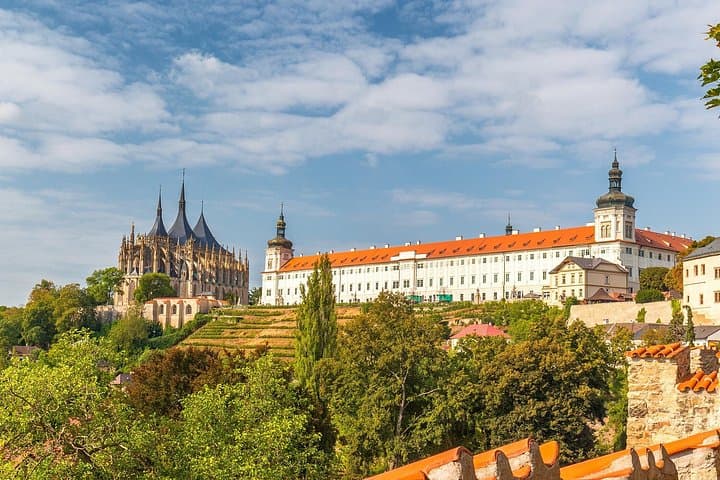
Kutná Hora grew rich on 13th–15th century silver mining, and that prosperity built St. Barbara’s Cathedral—its flying buttresses and frescoed vaults still standing as a record of Gothic ambition. Walk from the Italian Court, where royal mints once clanged coin, to the Baroque flourishes of the Jesuit college and the straightforward Romanesque of St. James. The town’s stonework and river cuttings tell a geology of river terraces and mined out seams rather than dramatic peaks; the landscape shaped industry more than panoramas.
Culturally the town mixes pilgrimage, parish life and civic pride; for gamers, Kingdom Come: Deliverance used medieval Kutná Hora as inspiration. Practicalities: the tour runs about seven hours with air-conditioned minivan transport and entrance fees typically included—expect standing-room in the ossuary, uneven cobbles, and staircases in churches.
Bring layered clothing for changing weather, comfortable walking shoes for cobbles and steps, and a small daypack. Allow time for a coffee in the market square during your free time and carry a camera with a modest zoom—the interiors demand respect and restrained flash use.
easy.
7 hours.
Suitable for most fitness levels; expect a few hours of standing and walking on uneven surfaces and short stair sections.
The guided excursion is about seven hours and generally includes transport by air-conditioned minivan, a professional guide and entrance fees to main sites.
Children can visit but the ossuary displays human remains and may be disturbing for some; parents should assess their child’s readiness.
The tour notes wheelchair and stroller accessibility only if they are foldable and the passenger can manage a few steps; contact the operator to confirm specific needs.
Yes; the itinerary typically includes a block of free time in Kutná Hora’s center to visit cafes, shops and exterior monuments at your own pace.
Kutná Hora became wealthy in the 13th century from silver mining; royal mints and ecclesiastical patrons funded its Gothic churches and civic buildings.
High foot traffic in compact historic zones creates wear on stonework—stick to marked paths, avoid leaning on frescoes and support local conservation by following site guidelines.
Premiant City Tour operates guided outdoor trips and adventures with an emphasis on safety, stewardship, and memorable experiences.
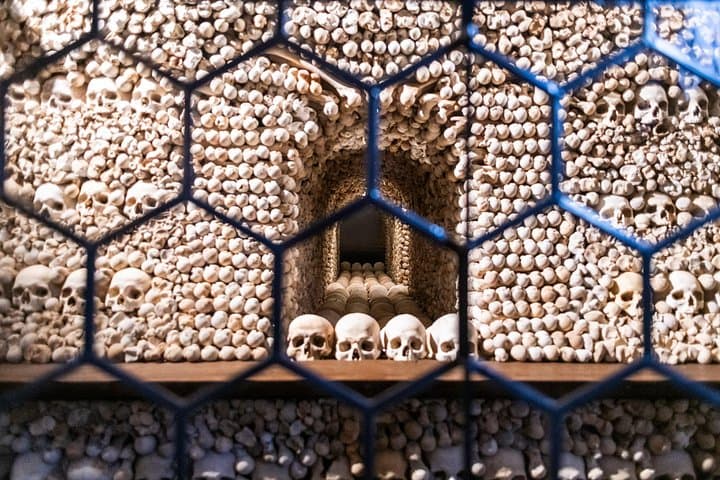
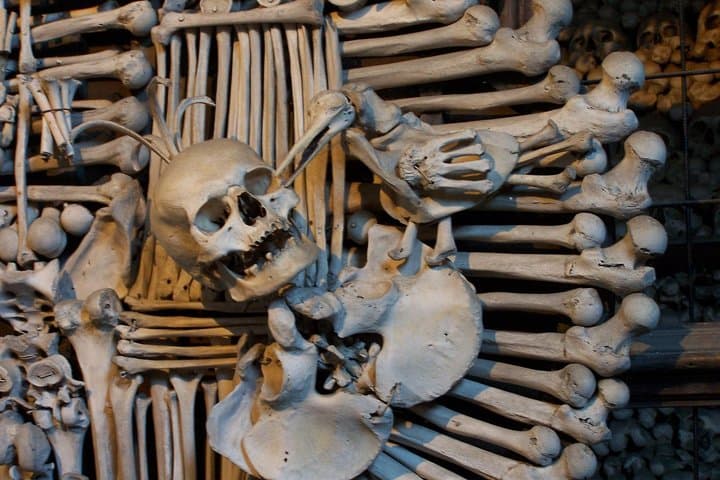
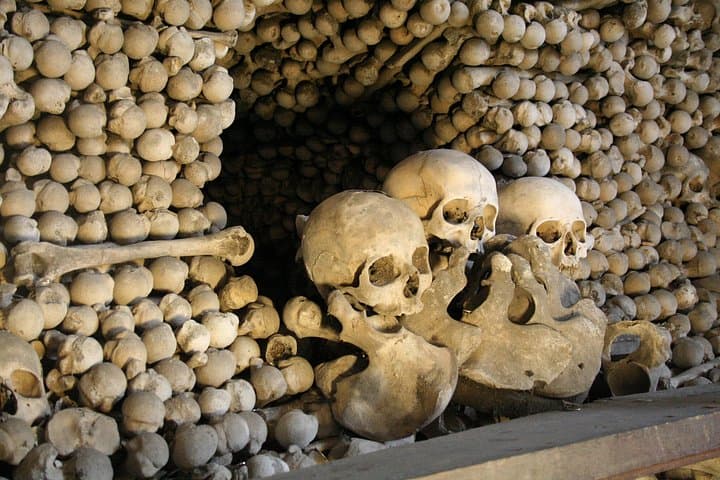
You step off the minivan into a town that once counted its wealth in silver and coin; the air tastes faintly of old stone and winter coal, and the cobbles underfoot click like a metronome. A short walk leads to Sedlec Ossuary, where human bones have been arranged into chandeliers and coats of arms that force you to look at mortality the way a medieval artisan might: with craft and cold practicality.
You step off the minivan into a town that once counted its wealth in silver and coin; the air tastes faintly of old stone and winter coal, and the cobbles underfoot click like a metronome. A short walk leads to Sedlec Ossuary, where human bones have been arranged into chandeliers and coats of arms that force you to look at mortality the way a medieval artisan might: with craft and cold practicality.
Kutná Hora grew rich on 13th–15th century silver mining, and that prosperity built St. Barbara’s Cathedral—its flying buttresses and frescoed vaults still standing as a record of Gothic ambition. Walk from the Italian Court, where royal mints once clanged coin, to the Baroque flourishes of the Jesuit college and the straightforward Romanesque of St. James. The town’s stonework and river cuttings tell a geology of river terraces and mined out seams rather than dramatic peaks; the landscape shaped industry more than panoramas.
Culturally the town mixes pilgrimage, parish life and civic pride; for gamers, Kingdom Come: Deliverance used medieval Kutná Hora as inspiration. Practicalities: the tour runs about seven hours with air-conditioned minivan transport and entrance fees typically included—expect standing-room in the ossuary, uneven cobbles, and staircases in churches.
Bring layered clothing for changing weather, comfortable walking shoes for cobbles and steps, and a small daypack. Allow time for a coffee in the market square during your free time and carry a camera with a modest zoom—the interiors demand respect and restrained flash use.