THE ADVENTURE COLLECTIVE® · Independent discovery and booking for outdoor travel

Explore ancient Kutaisi, its lively market and hilltop cathedral, then enter the strange, photogenic world of Tskaltubo’s abandoned Soviet sanatoriums. This full‑day trip from Batumi blends history, local life, and urban exploration off the usual tourist path.
Explore ancient Kutaisi, its lively market and hilltop cathedral, then enter the strange, photogenic world of Tskaltubo’s abandoned Soviet sanatoriums. This full‑day trip from Batumi blends history, local life, and urban exploration off the usual tourist path.
You step out of the air‑conditioned van into a street where the river seems to pull the city toward itself. Kutaisi’s low stone houses and bulbous church domes sit under a wide Caucasus sky; the Colchis Fountain glares brass-gold while vendors call out over crates of pomegranates and sulguni.
Verified experiences and guided adventures in the surrounding area.
Operated by Tripify · Kutaisi, Imereti
You step out of the air‑conditioned van into a street where the river seems to pull the city toward itself. Kutaisi’s low stone houses and bulbous church domes sit under a wide Caucasus sky; the Colchis Fountain glares brass-gold while vendors call out over crates of pomegranates and sulguni.
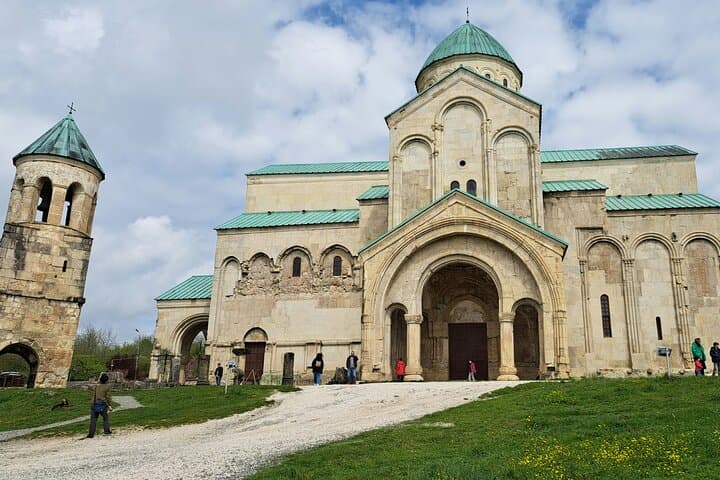
The city unspools centuries at your feet. Kutaisi was a core city of ancient Colchis, later a medieval Imeretian capital; Bagrati Cathedral, rebuilt and weather-worn, perches above the skyline like an old guard. Geology matters here—limestone ridges and karst caves carve the land, feeding rivers that once powered mills and now guide fishermen and herons alike.
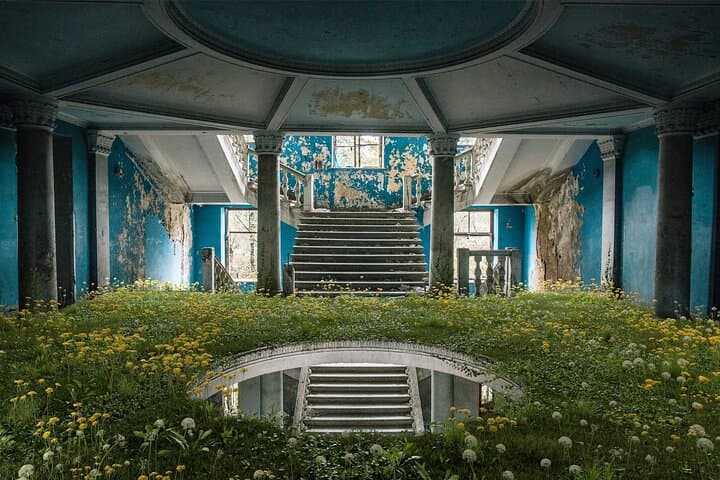
A short drive brings you into Tskaltubo, a Soviet-era spa town where empty sanatoriums stand in staged decay. Marble halls and iron staircases give the place a deliberate silence; nature edges in—ivy threading marble balustrades, birches reclaiming courtyards. These buildings tell 20th-century stories of public health, politics and leisure, and they make striking subjects for photographers willing to move carefully.
Practical side: this is a full-day outing (about 8–9 hours including transport). Expect several short walks on uneven surfaces and stairs; footwear with grip is essential. Carry small change for the Green Bazaar and bring water—the region warms quickly in summer and can be breezy in shoulder seasons. Respect restricted areas in the sanatoriums and follow your guide for the safest photo angles. Start early if you want softer light in Kutaisi and clearer views from Bagrati.
easy.
8–9 hours.
Suitable for most fitness levels; involves standing, short walks and stair climbs with occasional uneven ground.
Most historic sites and the bazaar are open-access; the tour price typically covers transport and guide services but not individual museum or special-entry fees.
Yes; the itinerary is family-friendly but infants must sit on an adult’s lap during transport per operator policy.
Access varies—some buildings are fenced or unsafe. Your guide will take you to approved areas and advise where entry is off-limits for safety reasons.
Expect light to moderate walking: market short-strolls, climbs up to Bagrati, and exploratory walks around sanatorium exteriors and halls where safe.
Kutaisi has roots in the ancient Kingdom of Colchis and later served as a medieval Georgian political and religious center; Bagrati dates to the 11th century and reflects the region’s medieval architecture.
Tskaltubo’s abandoned infrastructure is fragile—visitors should avoid disturbing plant regrowth or removing artifacts and support local guides who promote responsible exploration.
Tripify operates guided outdoor trips and adventures with an emphasis on safety, stewardship, and memorable experiences.
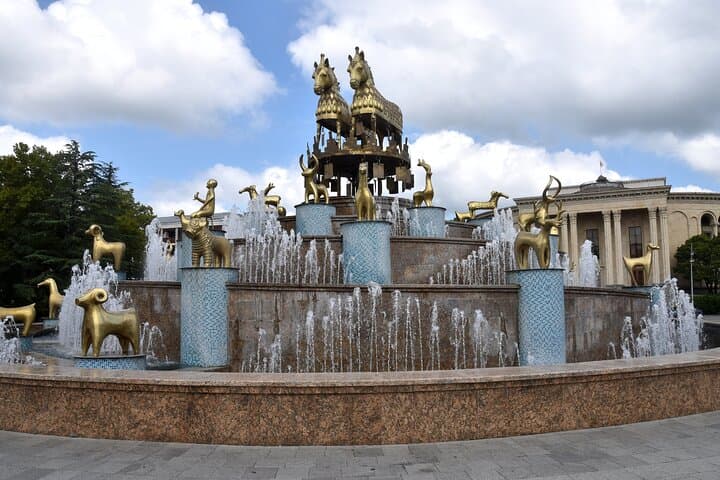

You step out of the air‑conditioned van into a street where the river seems to pull the city toward itself. Kutaisi’s low stone houses and bulbous church domes sit under a wide Caucasus sky; the Colchis Fountain glares brass-gold while vendors call out over crates of pomegranates and sulguni.
You step out of the air‑conditioned van into a street where the river seems to pull the city toward itself. Kutaisi’s low stone houses and bulbous church domes sit under a wide Caucasus sky; the Colchis Fountain glares brass-gold while vendors call out over crates of pomegranates and sulguni.
The city unspools centuries at your feet. Kutaisi was a core city of ancient Colchis, later a medieval Imeretian capital; Bagrati Cathedral, rebuilt and weather-worn, perches above the skyline like an old guard. Geology matters here—limestone ridges and karst caves carve the land, feeding rivers that once powered mills and now guide fishermen and herons alike.
A short drive brings you into Tskaltubo, a Soviet-era spa town where empty sanatoriums stand in staged decay. Marble halls and iron staircases give the place a deliberate silence; nature edges in—ivy threading marble balustrades, birches reclaiming courtyards. These buildings tell 20th-century stories of public health, politics and leisure, and they make striking subjects for photographers willing to move carefully.
Practical side: this is a full-day outing (about 8–9 hours including transport). Expect several short walks on uneven surfaces and stairs; footwear with grip is essential. Carry small change for the Green Bazaar and bring water—the region warms quickly in summer and can be breezy in shoulder seasons. Respect restricted areas in the sanatoriums and follow your guide for the safest photo angles. Start early if you want softer light in Kutaisi and clearer views from Bagrati.