THE ADVENTURE COLLECTIVE® · Independent discovery and booking for outdoor travel

Experience the Wet Tropics from gondola, amphibious vehicle, and vintage rail on a single full-day loop. This easy, interpretive tour mixes rainforest boardwalks, Kuranda’s markets, and Barron Falls scenery with accessible transport and expert guides.
Experience the Wet Tropics from gondola, amphibious vehicle, and vintage rail on a single full-day loop. This easy, interpretive tour mixes rainforest boardwalks, Kuranda’s markets, and Barron Falls scenery with accessible transport and expert guides.
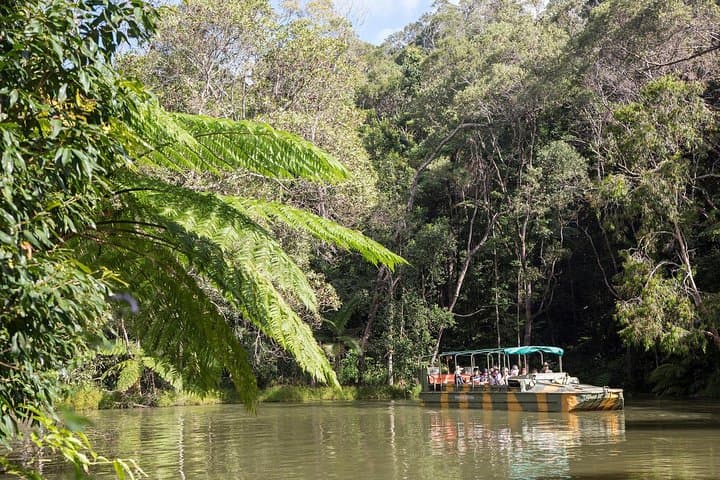
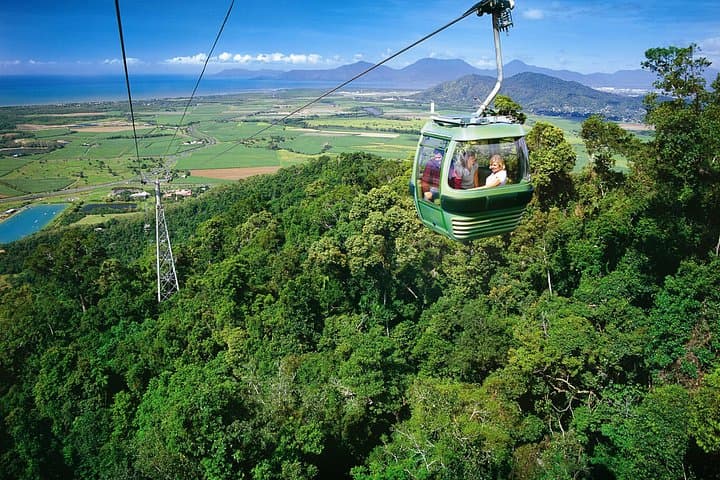
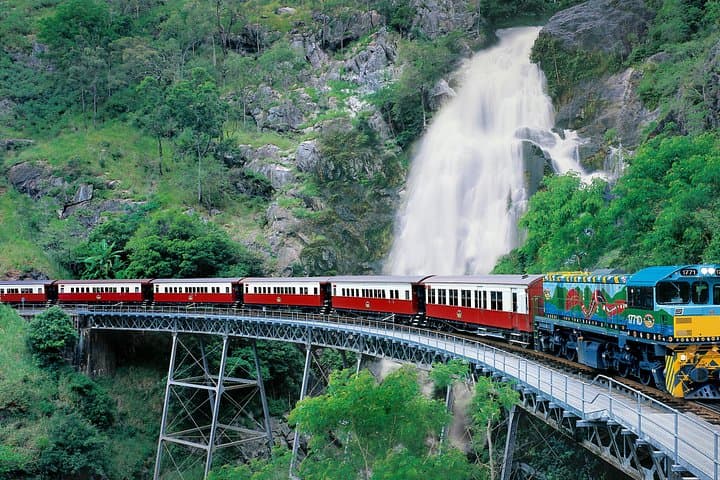
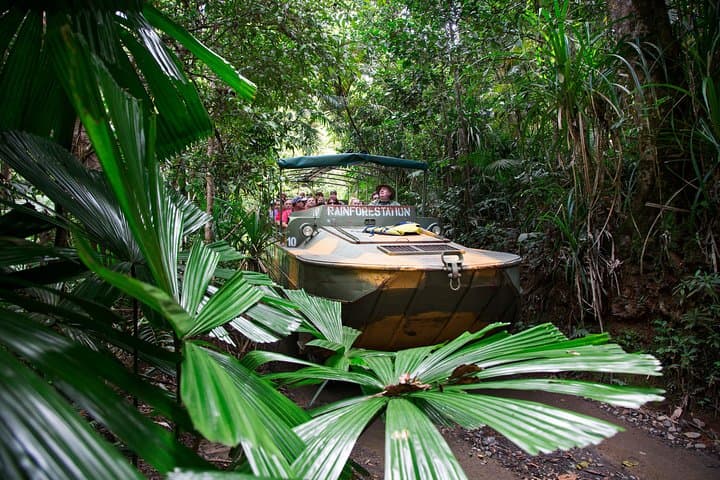
You step off the Kuranda Scenic Railway and the forest closes in like a velvet wall—humid air, birdcalls slicing through the canopy, and the distant thunder of Barron Falls daring you to follow. The day moves in distinct acts: a gondola ride above layered green, free time in Kuranda’s market-lined lanes, an amphibious Army Duck that plows from track to lake, and a return by vintage rail that descends past waterfalls and steep gorges.
Verified experiences and guided adventures in the surrounding area.
Operated by CaPTA Group · Kuranda, Queensland
You step off the Kuranda Scenic Railway and the forest closes in like a velvet wall—humid air, birdcalls slicing through the canopy, and the distant thunder of Barron Falls daring you to follow. The day moves in distinct acts: a gondola ride above layered green, free time in Kuranda’s market-lined lanes, an amphibious Army Duck that plows from track to lake, and a return by vintage rail that descends past waterfalls and steep gorges.
The route crosses World Heritage-listed Wet Tropics rainforest, a landscape shaped by ancient geology and tropical rainfall. Kuranda sits on land of the Djabugay people; the railway and early timber-boom era carved access into steep country in the late 19th century. Skyrail’s Red Peak and Barron Gorge stops interpret rainforest ecology—look for strangler figs and epiphytes clinging to cliff faces.
Practically, this is a full-day, low-effort excursion: board at Freshwater, glide 7–8 km of cableway, spend 1–2 hours exploring Kuranda village and markets, take a 45-minute amphibious tour, and return on the 34 km scenic railway. Terrain underfoot is mostly boardwalks and easy village streets; expect short steps boarding transport.
Bring a rain shell and closed-toe shoes, and plan for sudden showers and strong sun. Carry water and insect repellent; shade is limited once you leave the canopy edge. Accessibility is good—stations have ramps—but some older carriages and the Army Duck require stepping up.
By the day’s end you’ll have seen the rainforest from three perspectives: above, within, and along its carved river canyons—each offering a different, practical lesson in how tropical landscapes hold and move water, life, and history.
easy.
9 hours.
Suitable for most fitness levels—requires short walks, standing, and boarding vehicles; not strenuous.
Major terminals and vehicles have accessibility features, but boarding the Army Duck involves steps; check with the operator on specific accessibility needs.
The standard tour includes transport and attractions but not meals—there are cafes and market food options in Kuranda for lunch.
The operator may cancel portions for safety; Skyrail and the Army Duck can operate in rain but heavy conditions may force changes—refunds follow the stated cancellation policy.
Yes—infants must sit on an adult’s lap for parts of the tour; strollers are accommodated but some sections require folding for transport.
Kuranda sits on Djabugay country; the Kuranda Scenic Railway was built in the late 19th century to open the hinterland and crosses dramatic cuttings and viaducts.
The Wet Tropics World Heritage area is sensitive—stay on marked paths, avoid feeding wildlife, and follow guide instructions to minimize impact.
CaPTA Group operates guided outdoor trips and adventures with an emphasis on safety, stewardship, and memorable experiences.
You step off the Kuranda Scenic Railway and the forest closes in like a velvet wall—humid air, birdcalls slicing through the canopy, and the distant thunder of Barron Falls daring you to follow. The day moves in distinct acts: a gondola ride above layered green, free time in Kuranda’s market-lined lanes, an amphibious Army Duck that plows from track to lake, and a return by vintage rail that descends past waterfalls and steep gorges.
You step off the Kuranda Scenic Railway and the forest closes in like a velvet wall—humid air, birdcalls slicing through the canopy, and the distant thunder of Barron Falls daring you to follow. The day moves in distinct acts: a gondola ride above layered green, free time in Kuranda’s market-lined lanes, an amphibious Army Duck that plows from track to lake, and a return by vintage rail that descends past waterfalls and steep gorges.
The route crosses World Heritage-listed Wet Tropics rainforest, a landscape shaped by ancient geology and tropical rainfall. Kuranda sits on land of the Djabugay people; the railway and early timber-boom era carved access into steep country in the late 19th century. Skyrail’s Red Peak and Barron Gorge stops interpret rainforest ecology—look for strangler figs and epiphytes clinging to cliff faces.
Practically, this is a full-day, low-effort excursion: board at Freshwater, glide 7–8 km of cableway, spend 1–2 hours exploring Kuranda village and markets, take a 45-minute amphibious tour, and return on the 34 km scenic railway. Terrain underfoot is mostly boardwalks and easy village streets; expect short steps boarding transport.
Bring a rain shell and closed-toe shoes, and plan for sudden showers and strong sun. Carry water and insect repellent; shade is limited once you leave the canopy edge. Accessibility is good—stations have ramps—but some older carriages and the Army Duck require stepping up.
By the day’s end you’ll have seen the rainforest from three perspectives: above, within, and along its carved river canyons—each offering a different, practical lesson in how tropical landscapes hold and move water, life, and history.