THE ADVENTURE COLLECTIVE® · Independent discovery and booking for outdoor travel

Leave Kyoto’s temple circuits behind and climb Mount Kurama with a local guide to explore Kurama-dera, the Root Path, and the mysterious Mao-den. This 3–4 hour guided hike mixes history, mythology, and a forested trail with steep roots and sudden viewpoints.
Leave Kyoto’s temple circuits behind and climb Mount Kurama with a local guide to explore Kurama-dera, the Root Path, and the mysterious Mao-den. This 3–4 hour guided hike mixes history, mythology, and a forested trail with steep roots and sudden viewpoints.
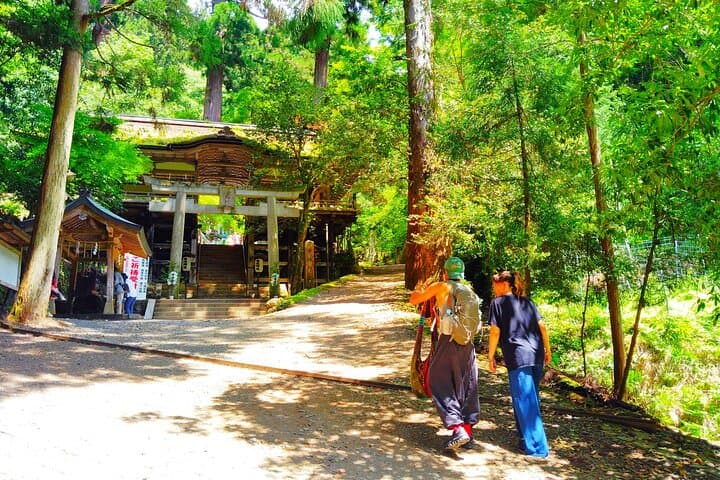
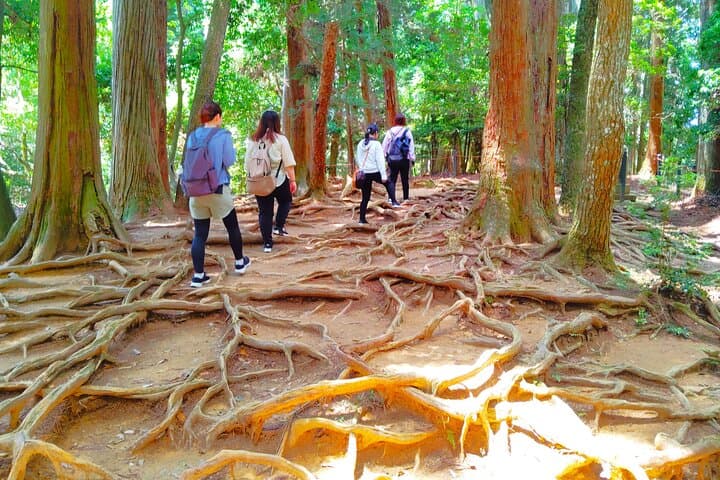
You start on a cool stone platform at Kurama Station, the city’s noise thinning to a distant hum as cedar trunks close around you. The guide leads the group up switchbacks, and within minutes the path tightens into the Root Path—massive roots braided like staircases, pushing you forward. Moss and humidity weigh the air; every step feels older than the city below.
Verified experiences and guided adventures in the surrounding area.
Operated by DeepExperience · Kyoto, Kyoto Prefecture
You start on a cool stone platform at Kurama Station, the city’s noise thinning to a distant hum as cedar trunks close around you. The guide leads the group up switchbacks, and within minutes the path tightens into the Root Path—massive roots braided like staircases, pushing you forward. Moss and humidity weigh the air; every step feels older than the city below.
Kurama’s story stretches back a millennium. Kurama-dera blends Buddhist practice with Shinto mountain worship and local myth: the Tengu—mask-faced spirits—are said to have trained Minamoto no Yoshitsune here. Geologically, the mountain is part of the Kyoto Basin’s northern rim, with volcanic soils that feed dense stands of sugi and cedar and sculpt exposed roots and stone steps.
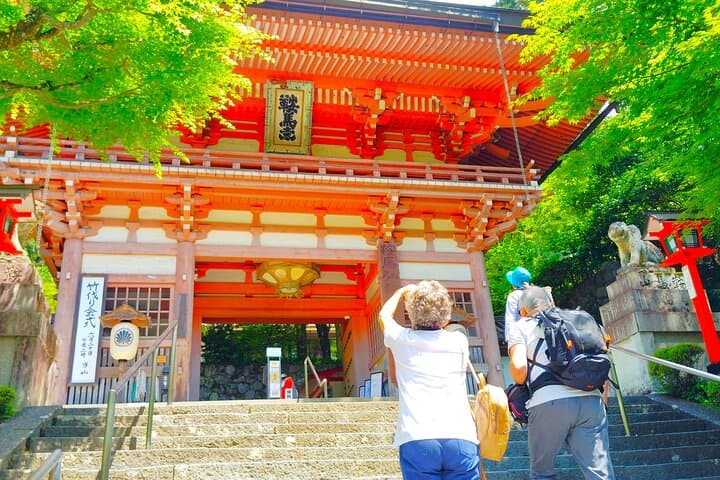
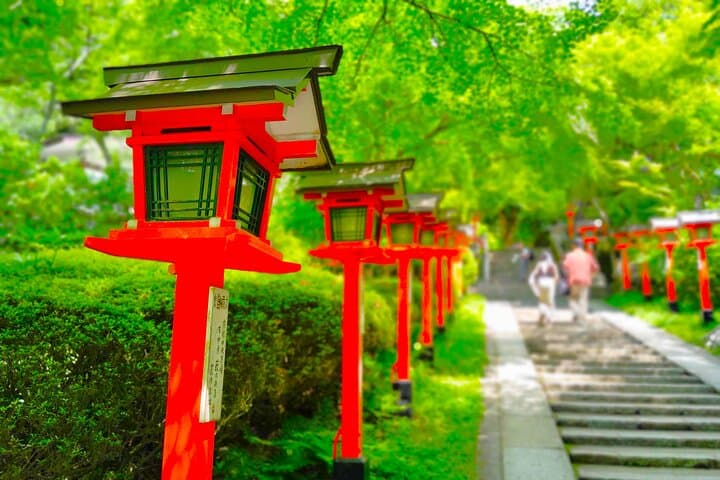
You’ll visit the temple halls, then push farther into the forest to the Oku-no-in Mao-den, a small shrine tied to Kurama’s unique cosmology. Expect packed dirt trails, stone staircases, and short exposed scramble sections; total guided distance typically ranges from 4–6 km with about 300–400 m of cumulative elevation gain, paced over roughly 3–4 hours.
Practical edge: arrive with sturdy shoes, water, and a jacket—the canopy keeps temperatures cool and rain moves in fast. Public transit is straightforward: Eizan Railway from Demachiyanagi to Kurama Station. The route rewards steady walkers with quiet viewpoints and a rare, intimate glimpse of Kyoto’s mountain faith—bring respect, leave no trace, and be ready for roots that seem to reach out and tug at your boots.
moderate.
3–4 hours.
Moderate fitness: comfortable with sustained uphill walking and several hundred meters of elevation gain.
Take the Eizan Electric Railway from Demachiyanagi to Kurama Station—it's a short walk from the station to the trailhead.
Older children used to hiking can manage the route, but younger kids may struggle with steep steps and root sections; check with the tour operator about age limits.
This tour’s inclusions list notes Kurama entrance fees and guided visit; confirm at booking for any changes to admissions.
Tours generally run unless weather is dangerous; bring layers and a rain jacket—cancelation policy typically requires 24+ hours for a full refund.
Kurama-dera has over a thousand years of mountain worship and is tied to legends of Minamoto no Yoshitsune and Tengu trainers; its practices blend Buddhism and Shinto mountain faith.
Stay on established trails, avoid feeding wildlife, and carry out all trash; local shrines and forests rely on respectful visitation and donations to maintain trails.
DeepExperience operates guided outdoor trips and adventures with an emphasis on safety, stewardship, and memorable experiences.
You start on a cool stone platform at Kurama Station, the city’s noise thinning to a distant hum as cedar trunks close around you. The guide leads the group up switchbacks, and within minutes the path tightens into the Root Path—massive roots braided like staircases, pushing you forward. Moss and humidity weigh the air; every step feels older than the city below.
You start on a cool stone platform at Kurama Station, the city’s noise thinning to a distant hum as cedar trunks close around you. The guide leads the group up switchbacks, and within minutes the path tightens into the Root Path—massive roots braided like staircases, pushing you forward. Moss and humidity weigh the air; every step feels older than the city below.
Kurama’s story stretches back a millennium. Kurama-dera blends Buddhist practice with Shinto mountain worship and local myth: the Tengu—mask-faced spirits—are said to have trained Minamoto no Yoshitsune here. Geologically, the mountain is part of the Kyoto Basin’s northern rim, with volcanic soils that feed dense stands of sugi and cedar and sculpt exposed roots and stone steps.
You’ll visit the temple halls, then push farther into the forest to the Oku-no-in Mao-den, a small shrine tied to Kurama’s unique cosmology. Expect packed dirt trails, stone staircases, and short exposed scramble sections; total guided distance typically ranges from 4–6 km with about 300–400 m of cumulative elevation gain, paced over roughly 3–4 hours.
Practical edge: arrive with sturdy shoes, water, and a jacket—the canopy keeps temperatures cool and rain moves in fast. Public transit is straightforward: Eizan Railway from Demachiyanagi to Kurama Station. The route rewards steady walkers with quiet viewpoints and a rare, intimate glimpse of Kyoto’s mountain faith—bring respect, leave no trace, and be ready for roots that seem to reach out and tug at your boots.