THE ADVENTURE COLLECTIVE® · Independent discovery and booking for outdoor travel

Cruise upriver from Banjul to Kunta Kinteh Island and Juffureh to explore a pivotal site in the transatlantic slave trade. This guided, full-day tour combines a river journey, village visits, museum time, and community engagement.
Cruise upriver from Banjul to Kunta Kinteh Island and Juffureh to explore a pivotal site in the transatlantic slave trade. This guided, full-day tour combines a river journey, village visits, museum time, and community engagement.
You step aboard a low-slung launch at Banjul’s seaport and the river takes the lead—water nudging the hull, mangrove shadows sliding past, the occasional dolphin arcing like a punctuation mark.
Verified experiences and guided adventures in the surrounding area.
Operated by Black & White Safari · Juffureh, North Bank Region
You step aboard a low-slung launch at Banjul’s seaport and the river takes the lead—water nudging the hull, mangrove shadows sliding past, the occasional dolphin arcing like a punctuation mark.
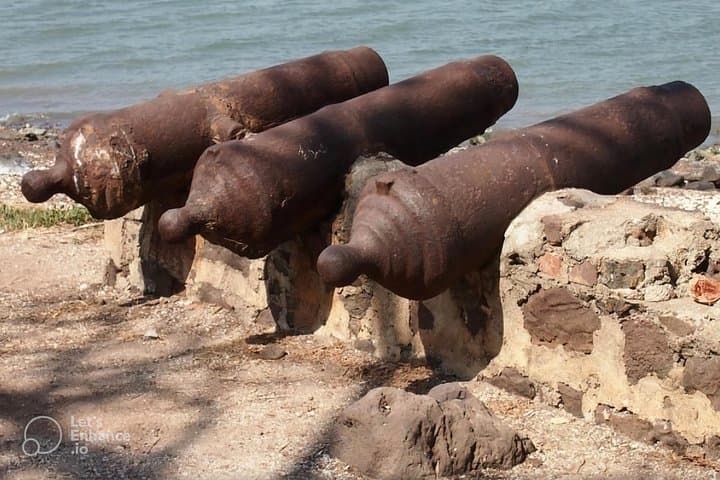
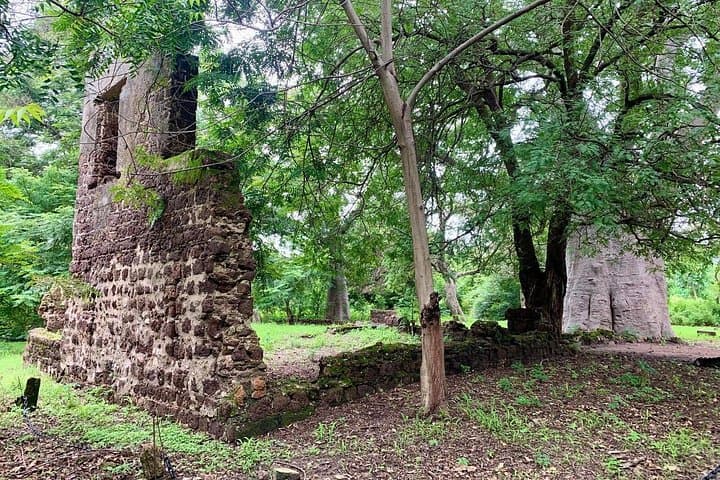
The boat ride itself is the first chapter: a slow upriver passage past tidal flats and palm-lined banks that once carried captured people toward the Atlantic. Kunta Kinteh Island (formerly James Island) sits small and weathered in the river—ruined fort walls and scattered foundations that speak plainly of colonial trading posts and forced passages between 1456 and 1807.
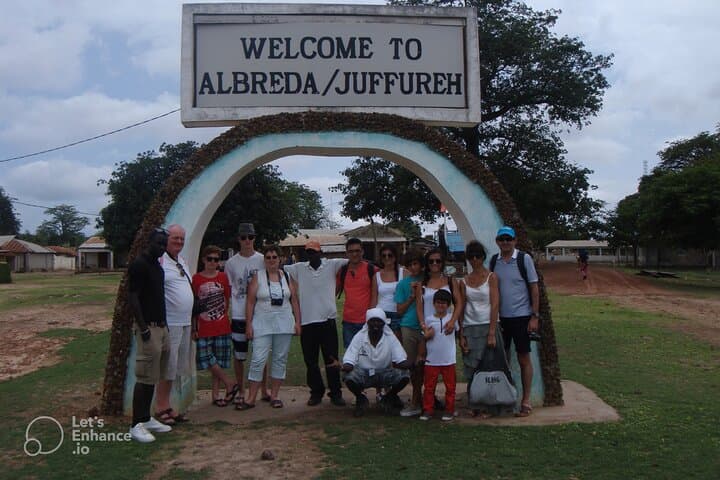
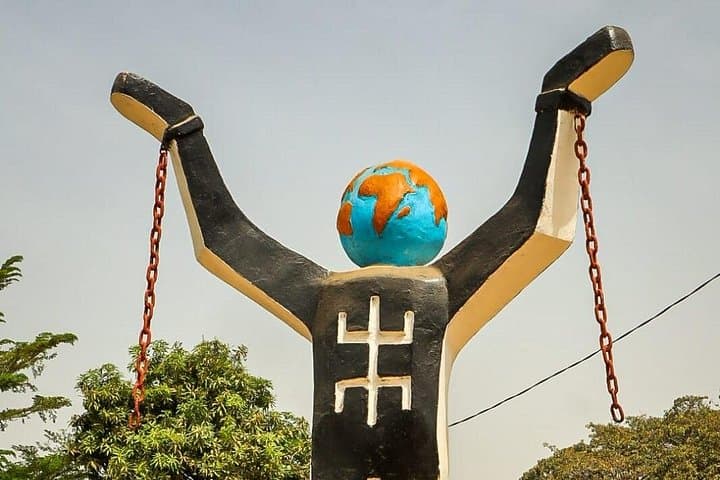
In Juffureh, the guide lays out local memory with clarity: the Freedom Pole, the family compound associated with Kunta Kinteh, and a modest museum whose exhibits and oral histories stitch personal stories to the wider transatlantic narrative. Architecture here is simple—mud-brick compounds, red earth footpaths—and the river’s rhythm still structures daily life.
Expect close community contact: artisans at the craft market, village storytellers, and a lunch that leans on fresh, local ingredients. Practicalities are straightforward—this is a seven-hour, moderately paced outing with sections of gentle walking and uneven surfaces on the island.
Bring sun protection, insect repellent, and comfortable walking shoes; prepare for heat and occasional spray on the boat. Respectful photography and attentive listening are the day's currency. The tour balances solemn reflection with tangible local connection—history presented not as distant fact but as living memory along a river that keeps nudging the present forward.
moderate.
7 hours.
Moderate fitness recommended — able to walk 1–2 miles on uneven ground and board a small boat
Yes — private transportation by boat from Banjul to Kunta Kinteh Island and Juffureh is included in the tour.
Lunch is provided, with vegetarian options available if requested in advance.
Children can join but the tour requires some walking on uneven terrain; limited mobility may make island exploration difficult—consult the operator for accessible arrangements.
Dolphins are commonly seen on the river but sightings cannot be guaranteed; they are frequent in calmer, low-wind conditions.
Kunta Kinteh Island (St. James Island) and Juffureh were key nodes in the transatlantic slave trade; the island’s ruins and the village’s oral histories document centuries of forced movement and local resistance.
The island is a UNESCO World Heritage Site; visitors should stick to paths and avoid disturbing fragile ruins. Responsible tourism supports local guides and community projects.
Black & White Safari operates guided outdoor trips and adventures with an emphasis on safety, stewardship, and memorable experiences.
You step aboard a low-slung launch at Banjul’s seaport and the river takes the lead—water nudging the hull, mangrove shadows sliding past, the occasional dolphin arcing like a punctuation mark.
You step aboard a low-slung launch at Banjul’s seaport and the river takes the lead—water nudging the hull, mangrove shadows sliding past, the occasional dolphin arcing like a punctuation mark.
The boat ride itself is the first chapter: a slow upriver passage past tidal flats and palm-lined banks that once carried captured people toward the Atlantic. Kunta Kinteh Island (formerly James Island) sits small and weathered in the river—ruined fort walls and scattered foundations that speak plainly of colonial trading posts and forced passages between 1456 and 1807.
In Juffureh, the guide lays out local memory with clarity: the Freedom Pole, the family compound associated with Kunta Kinteh, and a modest museum whose exhibits and oral histories stitch personal stories to the wider transatlantic narrative. Architecture here is simple—mud-brick compounds, red earth footpaths—and the river’s rhythm still structures daily life.
Expect close community contact: artisans at the craft market, village storytellers, and a lunch that leans on fresh, local ingredients. Practicalities are straightforward—this is a seven-hour, moderately paced outing with sections of gentle walking and uneven surfaces on the island.
Bring sun protection, insect repellent, and comfortable walking shoes; prepare for heat and occasional spray on the boat. Respectful photography and attentive listening are the day's currency. The tour balances solemn reflection with tangible local connection—history presented not as distant fact but as living memory along a river that keeps nudging the present forward.