THE ADVENTURE COLLECTIVE® · Independent discovery and booking for outdoor travel

Reserve timed-entry tickets to the Kunsthistorisches Museum for a focused encounter with Habsburg masterpieces and ancient collections. Plan 1.5–3 hours, use public transit, and expect conservation rules like no-flash photography.
Reserve timed-entry tickets to the Kunsthistorisches Museum for a focused encounter with Habsburg masterpieces and ancient collections. Plan 1.5–3 hours, use public transit, and expect conservation rules like no-flash photography.
Stepping through the museum doors on Maria-Theresien-Platz, the air changes: marble staircases slow your pace and gallery light settles on paint like careful attention. The grand halls—designed for imperial collections—ask you to move deliberately, to let Bruegel’s crowd scenes and Titian’s portraits take the time they require.
Verified experiences and guided adventures in the surrounding area.
Operated by Dream Fly Tourism LLC · Vienna, Vienna
Stepping through the museum doors on Maria-Theresien-Platz, the air changes: marble staircases slow your pace and gallery light settles on paint like careful attention. The grand halls—designed for imperial collections—ask you to move deliberately, to let Bruegel’s crowd scenes and Titian’s portraits take the time they require.
The Kunsthistorisches Museum opened in 1891 to house the Habsburgs’ vast collections. Its Renaissance- and Baroque-era holdings sit beside ancient Egyptian and classical sculptures, while the Kunstkammer showcases goldwork and curiosities that trace collecting practices back to early modern Europe. The building itself is a late-19th-century response to imperial ambition—stone façades, a domed stair hall, and galleries planned for picture conservation.
Expect a museum that balances spectacle with restraint: rooms that reward close looking, quiet corners that invite reading labels, and acoustics that make footsteps conversant. Outside, Maria-Theresien-Platz frames the experience—pigeons and plane trees marking Vienna’s steady urban rhythm.
Practical guidance: purchase a timed ticket to avoid lines and budget 1.5–3 hours for a self-guided visit; guided small-group options run about 2–2.5 hours. Public transit (U2/U3 nearby) drops you a short walk from the entrance; there’s a cloakroom for large bags and limited luggage storage. Photography without flash is usually permitted but check gallery signs; conservation rules can restrict touching and tripods. Combine your visit with the Naturhistorisches Museum across the square or choose a combined ticket for the Leopold Museum when available. Bring comfortable shoes, a water bottle, and allow time to linger in the rooms that speak to you.
easy.
1–4 hours.
Suitable for all fitness levels; expect standing and slow walking on stairs and in galleries.
Timed-entry tickets reduce queuing; some options include skip-the-line access, but check the ticket description when booking.
Most visitors spend 1.5–3 hours; allow longer if you join a guided tour or want to study specific painters like Bruegel or Titian.
The museum offers elevators and accessible routes, but some historic staircases remain—contact the museum ahead for specific assistance needs.
Yes—small-group guided options in English are often offered and last about 2–2.5 hours; check availability when booking.
Built for the Habsburg imperial collections and opened in 1891, the museum’s architecture and holdings reflect late-19th-century museum planning and European collecting traditions.
Galleries are climate-controlled to protect fragile paintings and objects; visitors should follow no-flash and no-touch policies to support long-term preservation.
Dream Fly Tourism LLC operates guided outdoor trips and adventures with an emphasis on safety, stewardship, and memorable experiences.


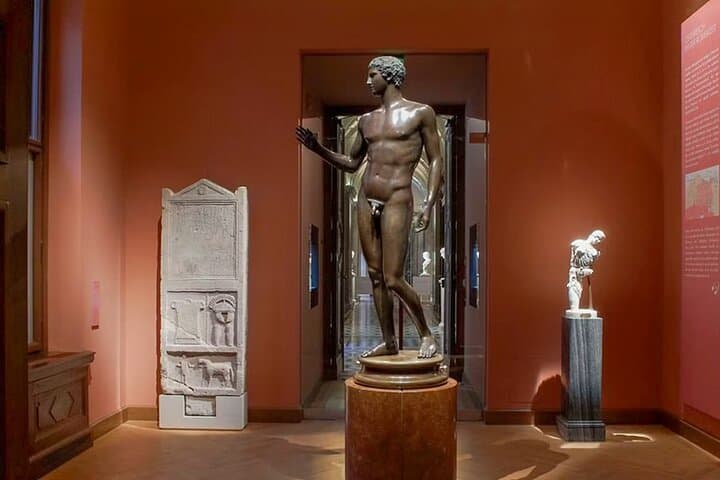

Stepping through the museum doors on Maria-Theresien-Platz, the air changes: marble staircases slow your pace and gallery light settles on paint like careful attention. The grand halls—designed for imperial collections—ask you to move deliberately, to let Bruegel’s crowd scenes and Titian’s portraits take the time they require.
Stepping through the museum doors on Maria-Theresien-Platz, the air changes: marble staircases slow your pace and gallery light settles on paint like careful attention. The grand halls—designed for imperial collections—ask you to move deliberately, to let Bruegel’s crowd scenes and Titian’s portraits take the time they require.
The Kunsthistorisches Museum opened in 1891 to house the Habsburgs’ vast collections. Its Renaissance- and Baroque-era holdings sit beside ancient Egyptian and classical sculptures, while the Kunstkammer showcases goldwork and curiosities that trace collecting practices back to early modern Europe. The building itself is a late-19th-century response to imperial ambition—stone façades, a domed stair hall, and galleries planned for picture conservation.
Expect a museum that balances spectacle with restraint: rooms that reward close looking, quiet corners that invite reading labels, and acoustics that make footsteps conversant. Outside, Maria-Theresien-Platz frames the experience—pigeons and plane trees marking Vienna’s steady urban rhythm.
Practical guidance: purchase a timed ticket to avoid lines and budget 1.5–3 hours for a self-guided visit; guided small-group options run about 2–2.5 hours. Public transit (U2/U3 nearby) drops you a short walk from the entrance; there’s a cloakroom for large bags and limited luggage storage. Photography without flash is usually permitted but check gallery signs; conservation rules can restrict touching and tripods. Combine your visit with the Naturhistorisches Museum across the square or choose a combined ticket for the Leopold Museum when available. Bring comfortable shoes, a water bottle, and allow time to linger in the rooms that speak to you.