THE ADVENTURE COLLECTIVE® · Independent discovery and booking for outdoor travel

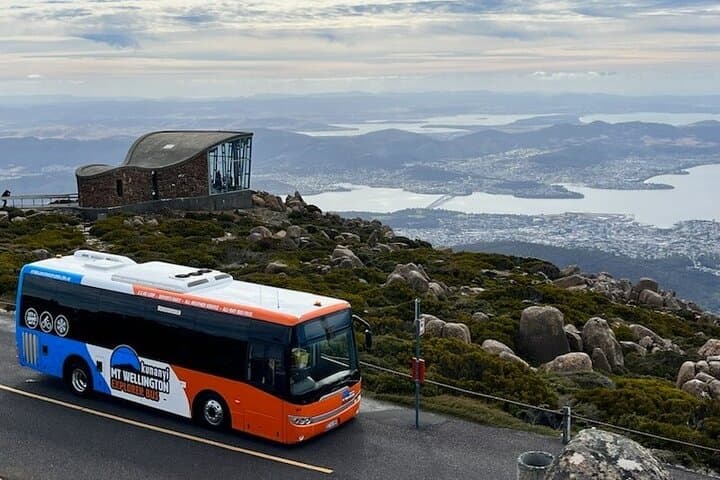
Ride the official kunanyi/Mt Wellington Explorer Bus from Hobart to the 1,270 m summit for sweeping views and hop-on/hop-off access to alpine walks. A 2.5-hour return tour with a 30-minute summit stop — ideal for photographers and short-trail hikers.
Ride the official kunanyi/Mt Wellington Explorer Bus from Hobart to the 1,270 m summit for sweeping views and hop-on/hop-off access to alpine walks. A 2.5-hour return tour with a 30-minute summit stop — ideal for photographers and short-trail hikers.
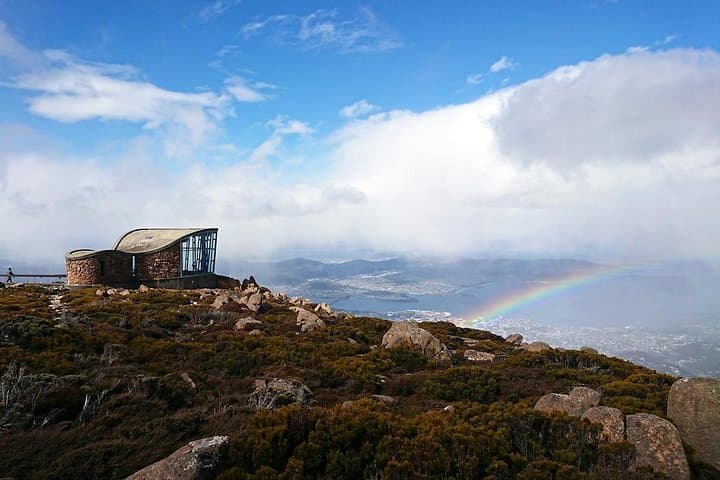
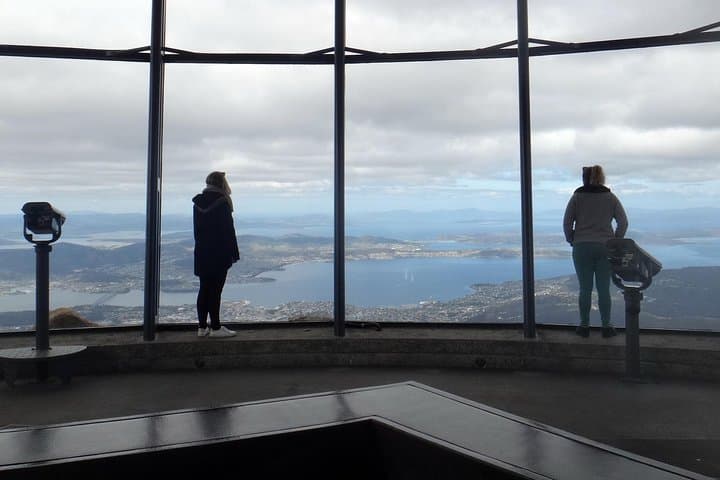
The bus climbs out of Hobart’s waterfront and the city falls away: brick wharves compress into a ribbon along the Derwent while suburban roofs give way to eucalypt forest that darkens as the road gains altitude. Within 30 minutes the air feels different — crisper, carrying a mineral tang — and kunanyi’s exposed ridgelines push into view. At the summit, 1,270 metres above sea level, lookouts frame Hobart, the estuary and the ragged edges of Tasmania’s World Heritage uplands.
Verified experiences and guided adventures in the surrounding area.
Operated by kunanyi/Mt Wellington Explorer Bus · Hobart, Tasmania
The bus climbs out of Hobart’s waterfront and the city falls away: brick wharves compress into a ribbon along the Derwent while suburban roofs give way to eucalypt forest that darkens as the road gains altitude. Within 30 minutes the air feels different — crisper, carrying a mineral tang — and kunanyi’s exposed ridgelines push into view. At the summit, 1,270 metres above sea level, lookouts frame Hobart, the estuary and the ragged edges of Tasmania’s World Heritage uplands.
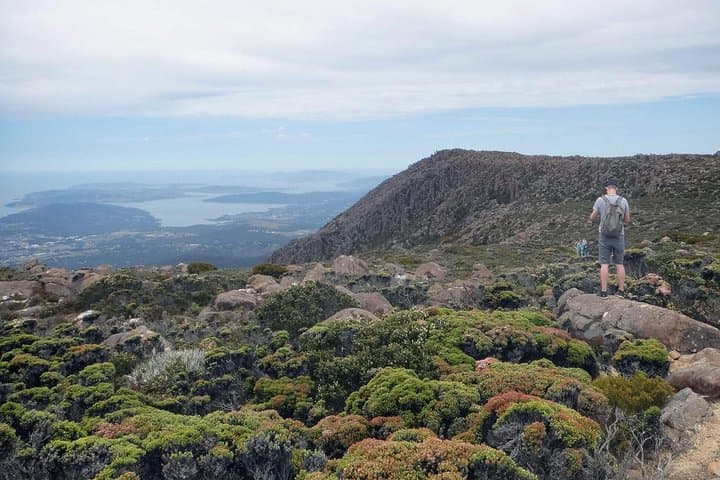
Geologically the mountain is a capped dolerite massif; its columns and cliffs were sculpted during the Jurassic and later by Pleistocene weather. Culturally the mountain has long been known as kunanyi by the Mouheneenner people, a place of seasonal hunting and story. European settlers turned Pinnacle Road into an access route, and today Wellington Park is managed for both conservation and recreation, with a network of short walks and heritage sites that link picnic shelters, rock formations and historic tracks.
Practical planning is straightforward: the Explorer Bus is a 2.5-hour return with a 30-minute summit stop and all-day hop-on/hop-off flexibility. Wheelchair-accessible vehicles, onboard Wi‑Fi and a printed park map make the trip easy for most travelers. Weather can change rapidly — carry a windproof layer and sturdy shoes even on summer days. For those who want more than a photo, hop off at Fern Tree, The Springs or The Chalet to tackle short alpine walks or the more demanding Organ Pipes route. Buses run daily from Hobart’s waterfront; bring water, a camera and allowance for 30–90 minutes of walking if you plan to explore between stops.
easy.
2.5 hours.
Suitable for most fitness levels; brief standing and short walks at summit require basic mobility
Yes — the Explorer Pass is valid all day and allows hop-on/hop-off at designated stops (Fern Tree, The Springs, The Chalet, Big Bend). Plan return times to avoid long waits.
The operator has exclusive access when Pinnacle Road is snow-affected, but conditions can close the road; check weather and service alerts before departure.
Yes — sheltered observation areas, interpretive signage and toilets (including accessible toilets) are at the summit during operating hours.
Buses are wheelchair accessible and can carry mountain bikes; short walks on alpine terrain may not be suitable for all mobility devices.
The mountain is known as kunanyi to the Mouheneenner people and later became a Victorian-era recreational landscape after Pinnacle Road and park facilities were developed.
Wellington Park is managed to balance recreation and habitat protection; stay on marked tracks to limit erosion and respect seasonal closures to protect sensitive alpine vegetation.
kunanyi/Mt Wellington Explorer Bus operates guided outdoor trips and adventures with an emphasis on safety, stewardship, and memorable experiences.
The bus climbs out of Hobart’s waterfront and the city falls away: brick wharves compress into a ribbon along the Derwent while suburban roofs give way to eucalypt forest that darkens as the road gains altitude. Within 30 minutes the air feels different — crisper, carrying a mineral tang — and kunanyi’s exposed ridgelines push into view. At the summit, 1,270 metres above sea level, lookouts frame Hobart, the estuary and the ragged edges of Tasmania’s World Heritage uplands.
The bus climbs out of Hobart’s waterfront and the city falls away: brick wharves compress into a ribbon along the Derwent while suburban roofs give way to eucalypt forest that darkens as the road gains altitude. Within 30 minutes the air feels different — crisper, carrying a mineral tang — and kunanyi’s exposed ridgelines push into view. At the summit, 1,270 metres above sea level, lookouts frame Hobart, the estuary and the ragged edges of Tasmania’s World Heritage uplands.
Geologically the mountain is a capped dolerite massif; its columns and cliffs were sculpted during the Jurassic and later by Pleistocene weather. Culturally the mountain has long been known as kunanyi by the Mouheneenner people, a place of seasonal hunting and story. European settlers turned Pinnacle Road into an access route, and today Wellington Park is managed for both conservation and recreation, with a network of short walks and heritage sites that link picnic shelters, rock formations and historic tracks.
Practical planning is straightforward: the Explorer Bus is a 2.5-hour return with a 30-minute summit stop and all-day hop-on/hop-off flexibility. Wheelchair-accessible vehicles, onboard Wi‑Fi and a printed park map make the trip easy for most travelers. Weather can change rapidly — carry a windproof layer and sturdy shoes even on summer days. For those who want more than a photo, hop off at Fern Tree, The Springs or The Chalet to tackle short alpine walks or the more demanding Organ Pipes route. Buses run daily from Hobart’s waterfront; bring water, a camera and allowance for 30–90 minutes of walking if you plan to explore between stops.