THE ADVENTURE COLLECTIVE® · Independent discovery and booking for outdoor travel

Spend a half-day outside Kumasi learning Adinkra stamping in Ntonso and watching kente looms in Bonwire. This hands-on cultural tour blends craft demonstrations, history, and opportunities to stamp and buy locally made textiles.
Spend a half-day outside Kumasi learning Adinkra stamping in Ntonso and watching kente looms in Bonwire. This hands-on cultural tour blends craft demonstrations, history, and opportunities to stamp and buy locally made textiles.
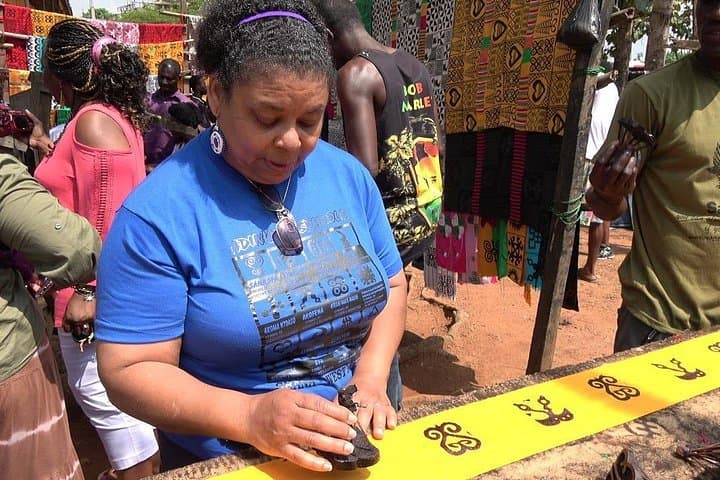
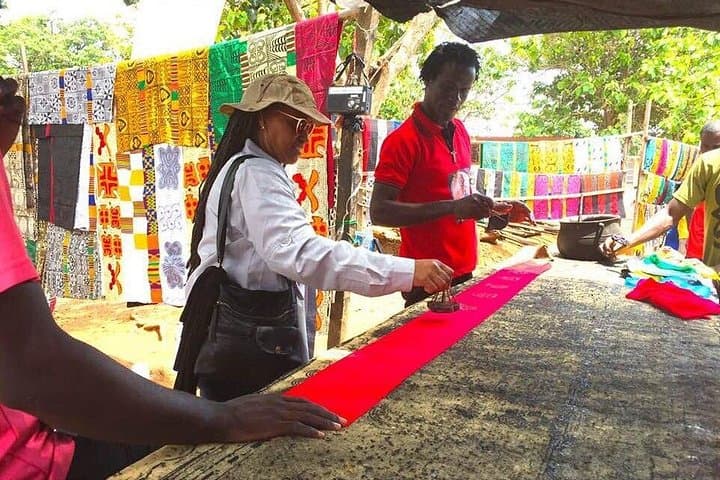
The morning sun warms the red clay roads outside Kumasi as a small convoy threads toward Ntonso, where dye kettles steam and carved stamps wait on wooden tables. Visitors step from air-conditioned transport into a courtyard alive with rhythm: stampers press stitched symbols into cloth, elders hum the stories behind each mark, and the fabric begins to tell its own history.
Verified experiences and guided adventures in the surrounding area.
Operated by Bilson Tours Gh · Kumasi, Ashanti Region
The morning sun warms the red clay roads outside Kumasi as a small convoy threads toward Ntonso, where dye kettles steam and carved stamps wait on wooden tables. Visitors step from air-conditioned transport into a courtyard alive with rhythm: stampers press stitched symbols into cloth, elders hum the stories behind each mark, and the fabric begins to tell its own history.
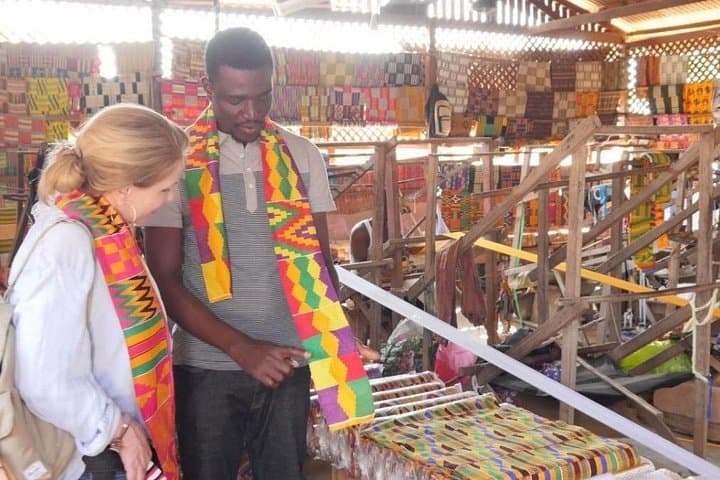
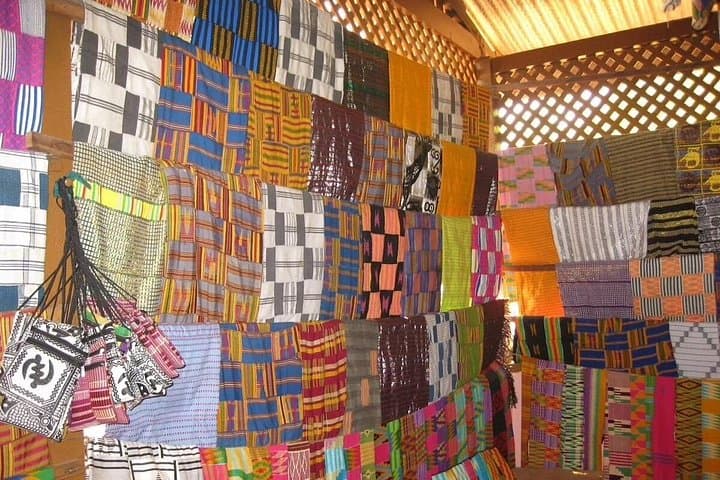
Adinkra symbols date to Akan oral tradition and funeral cloths; in Ntonso the craft is taught from memory and practice, using locally pounded dye derived from the badie (buddie) tree. A short drive away, in Bonwire, foot-operated looms produce kente strips whose patterns encode family names, status, and ceremonial roles. The geology here—lateritic soils and nearby forest fragments—supplies the natural dyes and the timber for traditional tools, while the region’s Ashanti culture shapes the rhythms of work and storytelling.
On this half-day cultural tour attendees learn to pound dyestuff, carve or use adinkra stamps, and press designs onto cloth, then visit a kente workshop to watch shuttle-loom weaving. Expect hands-on time, clear demonstrations, and plenty of storytelling from local artisans.
Practical guidance: bring cash for purchases, wear comfortable closed-toe shoes for courtyard surfaces, and carry a sun hat and refillable water bottle. Allow at least three hours to fully participate in stamping and to browse finished textiles without rushing. Respect photo permissions during ceremonies and support artisans by asking about production and care of textiles before buying.
easy.
6 hours.
Suitable for most fitness levels—mostly short walks, standing during demonstrations, and minimal elevation change.
The tour runs about six hours, typically a half-day combining Ntonso stamping with a visit to kente weavers.
The tour lists wheelchair-accessible options; inform the operator at booking so they can arrange transport and accessible workshop areas.
Yes—participants can purchase hand-stamped cloth or kente pieces; ask artisans about drying and care if your fabric is freshly dyed.
Families are welcome; activities are suitable for most ages but check for available infant seats and mention any special requirements during booking.
Adinkra stamping originated with Akan funerary cloths and evolved into wider symbolic use; Ntonso has long been a center for stamping while Bonwire is a historic kente weaving community.
Support sustainable practices by buying directly from artisans, favoring naturally dyed textiles, and avoiding products that use harmful chemicals or unsustainable timber.
Bilson Tours Gh operates guided outdoor trips and adventures with an emphasis on safety, stewardship, and memorable experiences.
The morning sun warms the red clay roads outside Kumasi as a small convoy threads toward Ntonso, where dye kettles steam and carved stamps wait on wooden tables. Visitors step from air-conditioned transport into a courtyard alive with rhythm: stampers press stitched symbols into cloth, elders hum the stories behind each mark, and the fabric begins to tell its own history.
The morning sun warms the red clay roads outside Kumasi as a small convoy threads toward Ntonso, where dye kettles steam and carved stamps wait on wooden tables. Visitors step from air-conditioned transport into a courtyard alive with rhythm: stampers press stitched symbols into cloth, elders hum the stories behind each mark, and the fabric begins to tell its own history.
Adinkra symbols date to Akan oral tradition and funeral cloths; in Ntonso the craft is taught from memory and practice, using locally pounded dye derived from the badie (buddie) tree. A short drive away, in Bonwire, foot-operated looms produce kente strips whose patterns encode family names, status, and ceremonial roles. The geology here—lateritic soils and nearby forest fragments—supplies the natural dyes and the timber for traditional tools, while the region’s Ashanti culture shapes the rhythms of work and storytelling.
On this half-day cultural tour attendees learn to pound dyestuff, carve or use adinkra stamps, and press designs onto cloth, then visit a kente workshop to watch shuttle-loom weaving. Expect hands-on time, clear demonstrations, and plenty of storytelling from local artisans.
Practical guidance: bring cash for purchases, wear comfortable closed-toe shoes for courtyard surfaces, and carry a sun hat and refillable water bottle. Allow at least three hours to fully participate in stamping and to browse finished textiles without rushing. Respect photo permissions during ceremonies and support artisans by asking about production and care of textiles before buying.