THE ADVENTURE COLLECTIVE® · Independent discovery and booking for outdoor travel

Walk the UNESCO-listed Kumano Kodo with a government-licensed English guide on a private, customizable full-day pilgrimage. Tailor an 8‑hour route to visit Hongu, Hayatama or Nachi Taisha while navigating ancient stone paths and cedar forests.
Walk the UNESCO-listed Kumano Kodo with a government-licensed English guide on a private, customizable full-day pilgrimage. Tailor an 8‑hour route to visit Hongu, Hayatama or Nachi Taisha while navigating ancient stone paths and cedar forests.
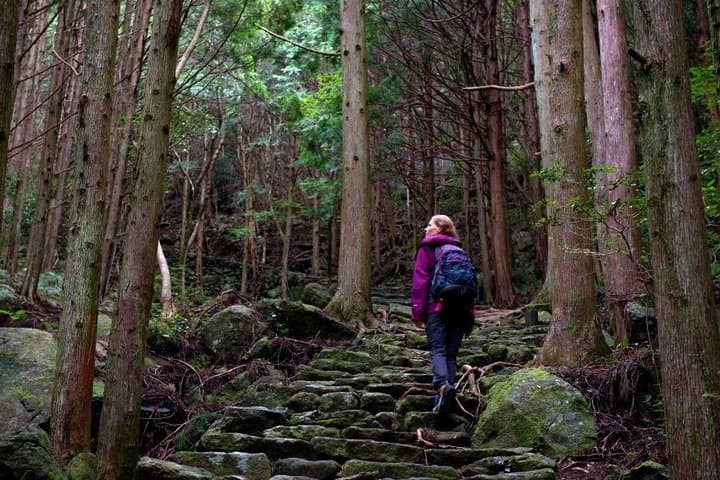
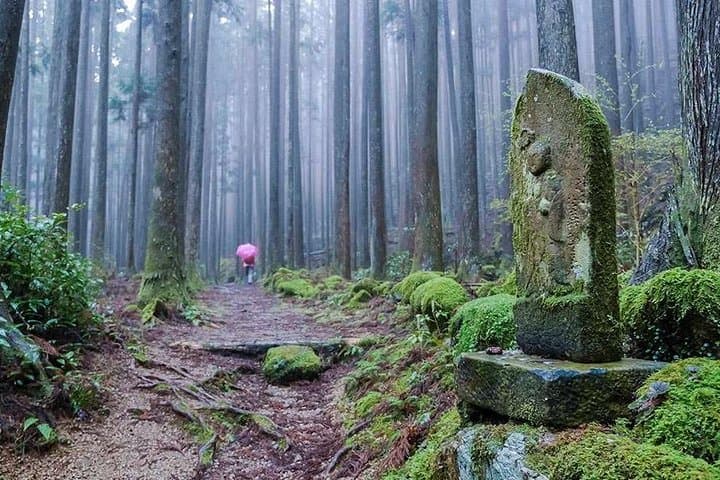
You step off the train or out of the minivan and the mountain air of the Kii Peninsula fills your lungs — cedar trunks rise like quiet witnesses and the trail bends toward a stone torii that marks another century of passage. The guide folds a paper map, points to the next shrine, and the day becomes a careful pace through living history.
Verified experiences and guided adventures in the surrounding area.
Operated by Japan Guide Agency · Tanabe, Wakayama
You step off the train or out of the minivan and the mountain air of the Kii Peninsula fills your lungs — cedar trunks rise like quiet witnesses and the trail bends toward a stone torii that marks another century of passage. The guide folds a paper map, points to the next shrine, and the day becomes a careful pace through living history.
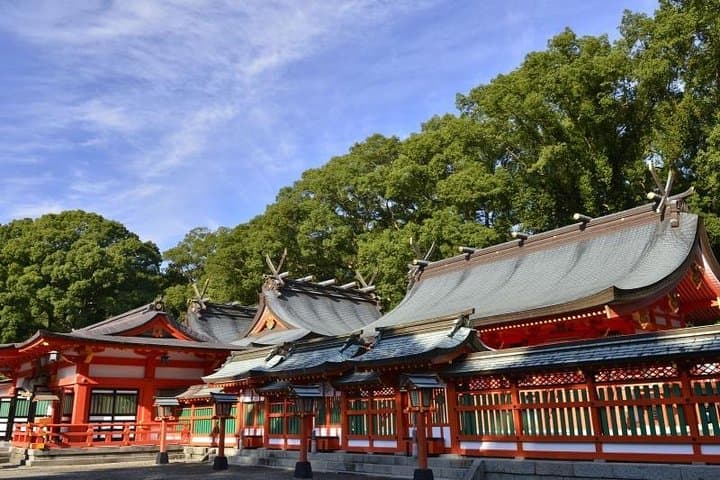
The Kumano Kodo is an ancient network of pilgrimage routes connecting the three great Kumano shrines: Hongu Taisha, Hayatama Taisha and Nachi Taisha. Used by emperors and commoners for over a millennium, the paths trace river valleys, ridge-lines and mossy shrine approaches. Geologically the Kii Peninsula is rugged, carved by heavy rainfall and volcanic uplift; trails alternately follow river terraces and switchback through cedar forest.
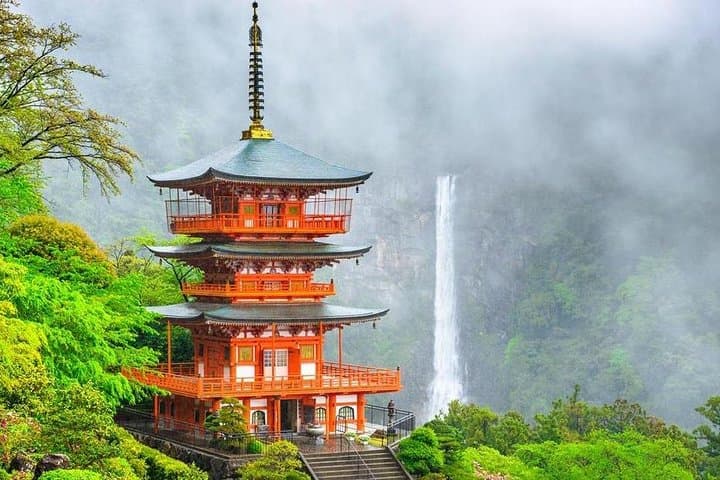
Culturally the area is notable for shinbutsu shūgō, the blending of Shinto and Buddhism visible at Nachi where a pagoda sits beside a torii. Local hamlets offer simple onsen and wooden teahouses; language barriers melt faster with shared tea and bowing rituals.
Practical guidance: this private, customizable 8‑hour tour is suitable for most walkers — expect uneven stone steps and sections of packed dirt; elevation changes are moderate but can feel steep after rain.
Wear sturdy footwear, bring layered rain protection, cash for small shrines and onsens, and a bottle for water. Start early to avoid midday crowds at Nachi Falls and time your visit for low light on the shrine steps if you want photos without long shadows. Your licensed English guide will tailor the route to your pace and interests, turning a day of travel into a coherent pilgrimage experience.
easy.
8 hours.
Suitable for most walkers in reasonable health; stamina for sustained walking and some stairs is helpful.
No — the private tour can be tailored to your fitness; the operator notes the trip is suitable for all levels, though expect uneven steps and moderate uphill sections.
Yes — the guide will design a route of 3–4 sites from the selection provided to fit interests and pace within the 8‑hour window.
Meeting and end points vary — confirmations list a foot-based meeting point in the agreed town (often Tanabe, Nachi or Katsuura); public transport options are usually nearby.
Many shrine complexes have accessible areas, but traditional stone paths and steps are common; contact the operator to plan an accessible itinerary.
The Kumano pilgrimage routes have been used for over 1,000 years and are one of only two pilgrimage networks designated a UNESCO World Heritage Site alongside the Camino de Santiago.
Trails face erosion from heavy rainfall and visitor wear; stick to marked paths, avoid picking plants, and support local businesses that fund conservation.
Japan Guide Agency operates guided outdoor trips and adventures with an emphasis on safety, stewardship, and memorable experiences.
You step off the train or out of the minivan and the mountain air of the Kii Peninsula fills your lungs — cedar trunks rise like quiet witnesses and the trail bends toward a stone torii that marks another century of passage. The guide folds a paper map, points to the next shrine, and the day becomes a careful pace through living history.
You step off the train or out of the minivan and the mountain air of the Kii Peninsula fills your lungs — cedar trunks rise like quiet witnesses and the trail bends toward a stone torii that marks another century of passage. The guide folds a paper map, points to the next shrine, and the day becomes a careful pace through living history.
The Kumano Kodo is an ancient network of pilgrimage routes connecting the three great Kumano shrines: Hongu Taisha, Hayatama Taisha and Nachi Taisha. Used by emperors and commoners for over a millennium, the paths trace river valleys, ridge-lines and mossy shrine approaches. Geologically the Kii Peninsula is rugged, carved by heavy rainfall and volcanic uplift; trails alternately follow river terraces and switchback through cedar forest.
Culturally the area is notable for shinbutsu shūgō, the blending of Shinto and Buddhism visible at Nachi where a pagoda sits beside a torii. Local hamlets offer simple onsen and wooden teahouses; language barriers melt faster with shared tea and bowing rituals.
Practical guidance: this private, customizable 8‑hour tour is suitable for most walkers — expect uneven stone steps and sections of packed dirt; elevation changes are moderate but can feel steep after rain.
Wear sturdy footwear, bring layered rain protection, cash for small shrines and onsens, and a bottle for water. Start early to avoid midday crowds at Nachi Falls and time your visit for low light on the shrine steps if you want photos without long shadows. Your licensed English guide will tailor the route to your pace and interests, turning a day of travel into a coherent pilgrimage experience.