THE ADVENTURE COLLECTIVE® · Independent discovery and booking for outdoor travel

Walk two days of the ancient Kumano Kodo from Osaka with a private English-speaking guide. Expect steep, wooded trails, shrine visits, and an overnight onsen stay while learning the region’s pilgrimage history.
Walk two days of the ancient Kumano Kodo from Osaka with a private English-speaking guide. Expect steep, wooded trails, shrine visits, and an overnight onsen stay while learning the region’s pilgrimage history.
You step off a local train and the air changes: cool, pine-scented, and threaded with river sound. The first trail slips beneath a canopy of cedar and cypress, roots and stone steps testing your rhythm as the guide points out an old oji shrine framed by moss.
Verified experiences and guided adventures in the surrounding area.
Operated by H.I.S.Co., Ltd. · Tanabe, Wakayama Prefecture
You step off a local train and the air changes: cool, pine-scented, and threaded with river sound. The first trail slips beneath a canopy of cedar and cypress, roots and stone steps testing your rhythm as the guide points out an old oji shrine framed by moss.
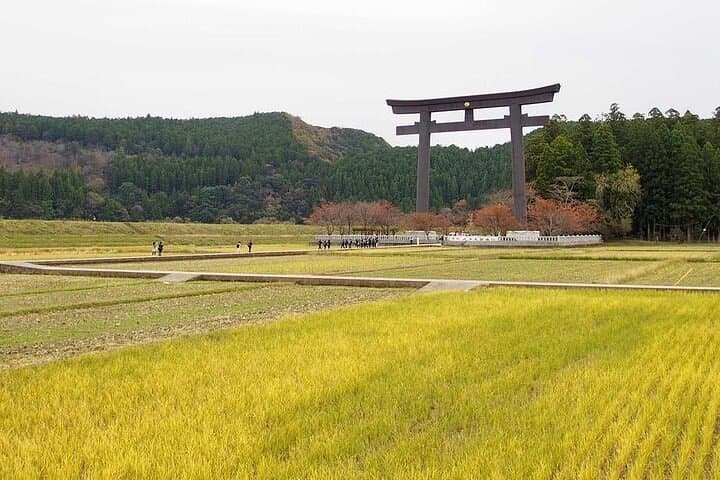
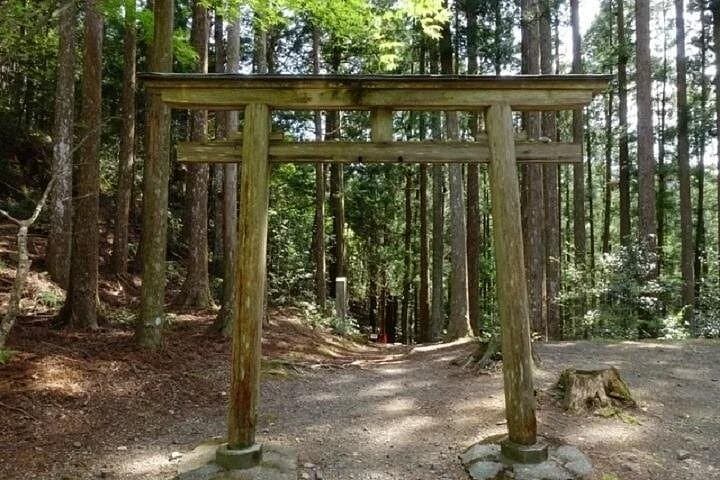
The Kumano Kodo is an age-old network of pilgrimage routes across Japan’s Kii Peninsula; these Nakahechi paths carried aristocrats and ascetics toward the three grand Kumano shrines for more than a thousand years. Geologically the range is steep and weathered—granite ridges and river-cut valleys create sudden ascents and sheltered gullies where small springs bubble up. Culturally the walk is half landscape, half ritual: torii gates, ancient camphor trees, and local festivals that still replay processions from the Heian era.
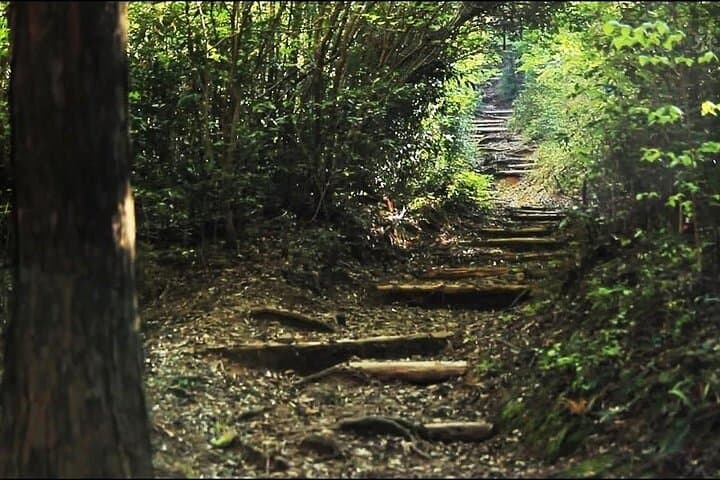
Over two days you’ll move through mixed terrain—packed earth, exposed roots, cobblestone steps and short steep climbs—arriving at onsen-town lodging the first night. Trails are waymarked but narrow; your English-speaking private guide will share local lore and point out quieter viewpoints like Takahara’s ridgeline and the Gyubadouji statue.
Practical notes: expect 3–6 hours of walking per day with intermittent steep sections; sturdy boots and a waterproof layer are essential. There are no lockers on route and luggage services are limited—pre-deposit large bags in Osaka. Carry cash for vending machines and shrine donations. Pace yourself, hydrate, and let the rhythm of the forest set your tempo—this pilgrimage rewards quiet attention as much as endurance.
challenging.
8–12 hours (2 days).
Good to very good cardiovascular fitness and comfortable with sustained uphill and downhill hiking
Not recommended for complete beginners—trail sections include steep climbs and uneven surfaces; participants should have prior day-hike experience and good stamina.
No—there are no luggage delivery services on this course and no lockers along the Kumano Kodo; large bags must be pre-deposited in Osaka.
The tour includes round-trip train cost from Osaka, one night hotel (onsen option), dinner and breakfast, and an English-speaking private guide as listed in the itinerary.
Children younger than 12 are not permitted on this course due to physical demands and safety concerns.
The Nakahechi route of the Kumano Kodo served Heian-period nobles and pilgrims; the network is now part of the UNESCO Sacred Sites and Pilgrimage Routes in the Kii Mountain Range.
Stick to marked trails to protect fragile understory and root systems; avoid leaving belongings or litter at shrine sites where local conservation groups manage the landscape.
H.I.S.Co., Ltd. operates guided outdoor trips and adventures with an emphasis on safety, stewardship, and memorable experiences.
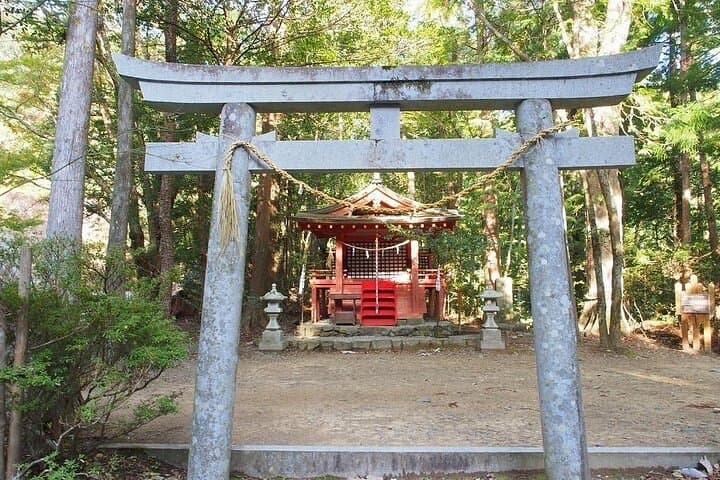
You step off a local train and the air changes: cool, pine-scented, and threaded with river sound. The first trail slips beneath a canopy of cedar and cypress, roots and stone steps testing your rhythm as the guide points out an old oji shrine framed by moss.
You step off a local train and the air changes: cool, pine-scented, and threaded with river sound. The first trail slips beneath a canopy of cedar and cypress, roots and stone steps testing your rhythm as the guide points out an old oji shrine framed by moss.
The Kumano Kodo is an age-old network of pilgrimage routes across Japan’s Kii Peninsula; these Nakahechi paths carried aristocrats and ascetics toward the three grand Kumano shrines for more than a thousand years. Geologically the range is steep and weathered—granite ridges and river-cut valleys create sudden ascents and sheltered gullies where small springs bubble up. Culturally the walk is half landscape, half ritual: torii gates, ancient camphor trees, and local festivals that still replay processions from the Heian era.
Over two days you’ll move through mixed terrain—packed earth, exposed roots, cobblestone steps and short steep climbs—arriving at onsen-town lodging the first night. Trails are waymarked but narrow; your English-speaking private guide will share local lore and point out quieter viewpoints like Takahara’s ridgeline and the Gyubadouji statue.
Practical notes: expect 3–6 hours of walking per day with intermittent steep sections; sturdy boots and a waterproof layer are essential. There are no lockers on route and luggage services are limited—pre-deposit large bags in Osaka. Carry cash for vending machines and shrine donations. Pace yourself, hydrate, and let the rhythm of the forest set your tempo—this pilgrimage rewards quiet attention as much as endurance.