THE ADVENTURE COLLECTIVE® · Independent discovery and booking for outdoor travel

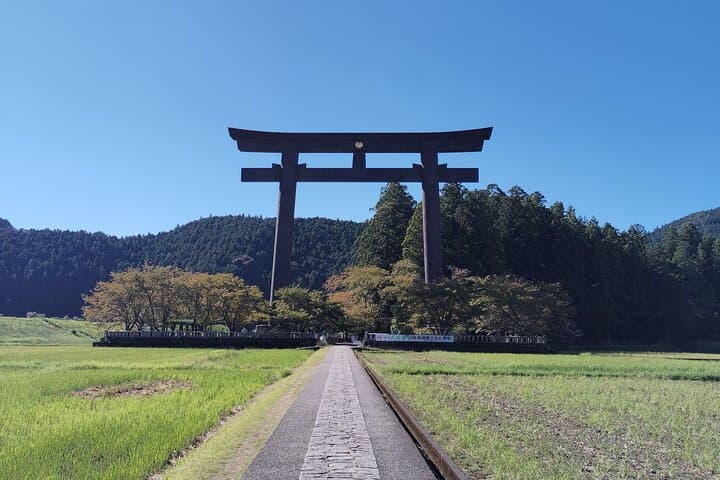
Walk beneath towering cedars and stand beneath one of Japan’s largest torii at Ōyunohara. This guided visit to Kumano Hongu Taisha blends cultural history, Shugendō traditions, and hands-on purification rituals in a compact, serene tour.
Walk beneath towering cedars and stand beneath one of Japan’s largest torii at Ōyunohara. This guided visit to Kumano Hongu Taisha blends cultural history, Shugendō traditions, and hands-on purification rituals in a compact, serene tour.
A thin morning light filters through towering cedar trunks as the guide leads the way toward vermilion gates—this is Kumano Hongu Taisha, where pilgrims have crossed from ordinary life into a lived faith for over a millennium.
Verified experiences and guided adventures in the surrounding area.
Operated by DeepExperience · Tanabe, Wakayama Prefecture
A thin morning light filters through towering cedar trunks as the guide leads the way toward vermilion gates—this is Kumano Hongu Taisha, where pilgrims have crossed from ordinary life into a lived faith for over a millennium.
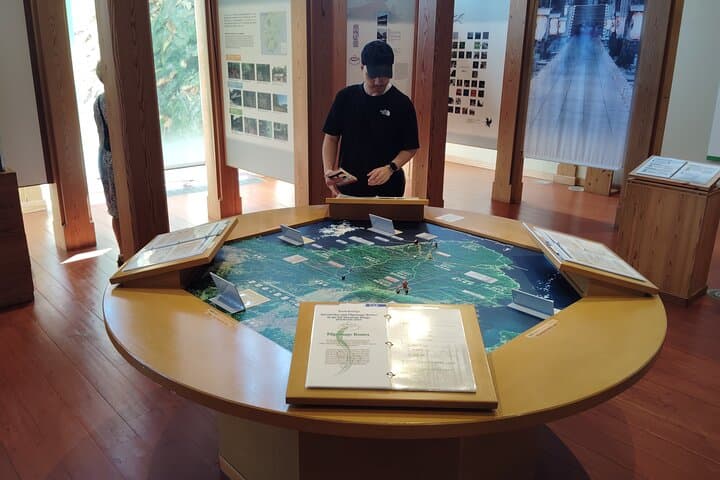
The experience begins with the Kumano Hongu Heritage Center’s exhibits, which map the Kumano Kodo routes and explain how Shugendō mountain ascetics and syncretic Shinto-Buddhist practice shaped the region. History here is physical: river channels redirected the shrine once, and the open sandbank of Ōyunohara—now marked by a 30m-plus torii—still holds the memory of a flood that reshaped the sacred landscape in 1889.
Geology matters: granite ridges funnel streams into converging rivers, creating the wide, gravelly Ōyunohara plain and pockets of deep, humus-rich soil where ancient cedars stand like slow-moving guardians. Culturally, the temizuya ritual at the shrine teaches a simple, tactile form of purification—wash, pause, enter—tying bodily action to spiritual renewal.
Practical guidance: the tour is short (roughly 90 minutes), mostly flat on compacted paths and sand, suitable for most walkers. Bring layered clothing for sudden mountain breezes, modest attire for shrine spaces, and cash for small offerings or the heritage center shop. An optional pre-dawn start reduces crowds and lets the morning river sounds act as a quiet guide.
Respect the rituals: observe photography rules, follow the guide’s lead at sacred spots, and leave no trace among the cedar roots. Visiting Hongu is less about ticking a box and more about standing where nature and devotion continue to meet.
easy.
1–2 hours.
Suitable for most fitness levels; involves short periods of standing and walking on mostly flat terrain.
The guided visit lasts about 90 minutes with mostly flat walking between the heritage center, shrine complex, and Ōyunohara sandbank—suitable for most walkers.
Photography is generally allowed around the shrine grounds but prohibited inside some buildings or during rituals; follow your guide and posted signs.
The site has mostly level paths and is suitable for visitors with moderate accessibility needs, but some surfaces are gravel or sand—contact the operator in advance for specific assistance requests.
You do not usually remove shoes on outdoor shrine grounds but should dress modestly; if entering any indoor worship spaces, follow the guide’s instruction about shoe removal and behavior.
Kumano Hongu Taisha is central to the Kumano Kodo pilgrimage network; the shrine and surrounding rituals reflect centuries of syncretic Shinto-Buddhist practice and Shugendō mountain asceticism.
Local groups manage foot traffic and cultural sites to protect ancient cedar stands and riverine habitats—visitors should stay on paths and avoid disturbing natural features.
DeepExperience operates guided outdoor trips and adventures with an emphasis on safety, stewardship, and memorable experiences.
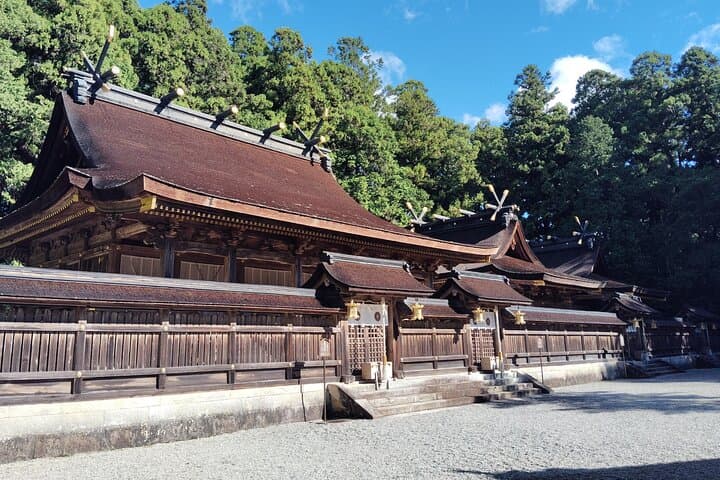
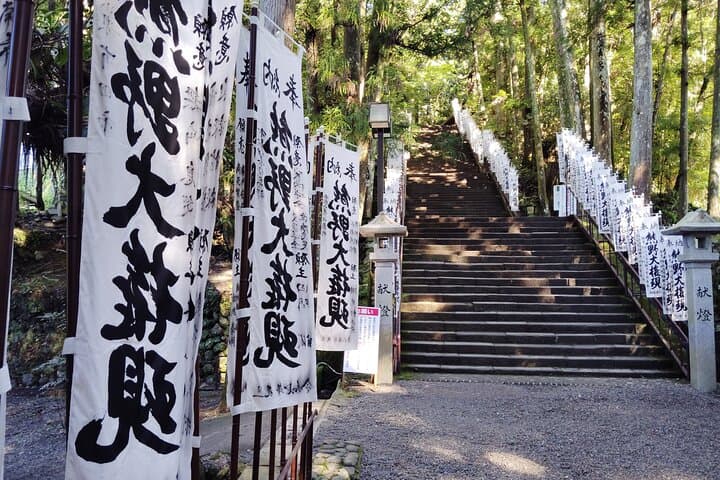
A thin morning light filters through towering cedar trunks as the guide leads the way toward vermilion gates—this is Kumano Hongu Taisha, where pilgrims have crossed from ordinary life into a lived faith for over a millennium.
A thin morning light filters through towering cedar trunks as the guide leads the way toward vermilion gates—this is Kumano Hongu Taisha, where pilgrims have crossed from ordinary life into a lived faith for over a millennium.
The experience begins with the Kumano Hongu Heritage Center’s exhibits, which map the Kumano Kodo routes and explain how Shugendō mountain ascetics and syncretic Shinto-Buddhist practice shaped the region. History here is physical: river channels redirected the shrine once, and the open sandbank of Ōyunohara—now marked by a 30m-plus torii—still holds the memory of a flood that reshaped the sacred landscape in 1889.
Geology matters: granite ridges funnel streams into converging rivers, creating the wide, gravelly Ōyunohara plain and pockets of deep, humus-rich soil where ancient cedars stand like slow-moving guardians. Culturally, the temizuya ritual at the shrine teaches a simple, tactile form of purification—wash, pause, enter—tying bodily action to spiritual renewal.
Practical guidance: the tour is short (roughly 90 minutes), mostly flat on compacted paths and sand, suitable for most walkers. Bring layered clothing for sudden mountain breezes, modest attire for shrine spaces, and cash for small offerings or the heritage center shop. An optional pre-dawn start reduces crowds and lets the morning river sounds act as a quiet guide.
Respect the rituals: observe photography rules, follow the guide’s lead at sacred spots, and leave no trace among the cedar roots. Visiting Hongu is less about ticking a box and more about standing where nature and devotion continue to meet.