THE ADVENTURE COLLECTIVE® · Independent discovery and booking for outdoor travel

Customize an eight-hour private tour of Kumamoto to match your interests — from the commanding Kumamoto Castle and Suizenji Garden to samurai residences and local food stops. This guide explains what to expect, how to plan, and practical tips for a smooth day exploring the city.
Customize an eight-hour private tour of Kumamoto to match your interests — from the commanding Kumamoto Castle and Suizenji Garden to samurai residences and local food stops. This guide explains what to expect, how to plan, and practical tips for a smooth day exploring the city.
You meet your guide at a chosen pickup point and step into a city whose stones and waterways keep long memories. The morning light slants across Kumamoto Castle’s battered walls; later you wander quiet garden paths at Suizenji Park where a miniature Mount Fuji and clipped pines make the landscape feel intentionally small and intensely detailed.
Verified experiences and guided adventures in the surrounding area.
Operated by Japan Awaits · Kumamoto, Kumamoto Prefecture
You meet your guide at a chosen pickup point and step into a city whose stones and waterways keep long memories. The morning light slants across Kumamoto Castle’s battered walls; later you wander quiet garden paths at Suizenji Park where a miniature Mount Fuji and clipped pines make the landscape feel intentionally small and intensely detailed.
Kumamoto’s story is visible — feudal samurai neighborhoods, the Hosokawa clan’s residences, and the castle rebuilt repeatedly since its 1600s origin. Geologically, the city sits near the volcanic plains of Mount Aso, and the flat fertile basin guided settlement and rice cultivation for centuries. Culturally the pace is deliberate: local markets, street-side ramen shops, and craft workshops offer accessible entry points to everyday life.
On a customizable full-day tour you decide the rhythm: castle architecture and museum context, a stroll through Suizenji Jojuen, sampling local horse-meat dishes (basashi) or visiting hidden shrines. A professional English-speaking guide handles reservations and intra-city transport so you can focus on the sites and logistics.
Practical notes: plan for about eight hours on your feet with moderate walking between stops; many historic sites have steps and gravel paths. Book early — reservations and restaurant bookings need lead time. Carry a small daypack with water, a compact rain layer and respectful clothing for shrines. Expect a mix of urban streets, manicured gardens and museum interiors; timing your visit for morning and late afternoon reduces heat and crowds. This format is ideal for travelers who want control over what they see and the ease of a local fixer to execute it.
moderate.
8 hours.
Moderate fitness for several hours of walking and some staircases; suitable for travelers who can stand and walk for extended periods.
Yes — the tour is private and the itinerary is created based on your preferences; you’ll receive a custom form after booking to specify sites and needs.
The tour handles reservations and bookings on your behalf, but admissions and meals are typically not included unless specified — confirm when booking.
Hotel pickup and drop-off within the city are included; cancellation fees vary by lead time, with substantial fees for late cancellations, so check the operator’s policy.
Many city sites and transportation options are wheelchair accessible, but some historic locations have steps; inform the operator in advance so they can tailor the route.
Kumamoto grew around feudal power held by the Hosokawa clan; its castle dates to the early 17th century and has been repaired repeatedly after fires and earthquakes, most recently after 2016.
Restoration of Kumamoto Castle and care of Suizenji Park are ongoing; visitors are encouraged to follow signage, stay on paths and avoid feeding wildlife to support preservation.
Japan Awaits operates guided outdoor trips and adventures with an emphasis on safety, stewardship, and memorable experiences.
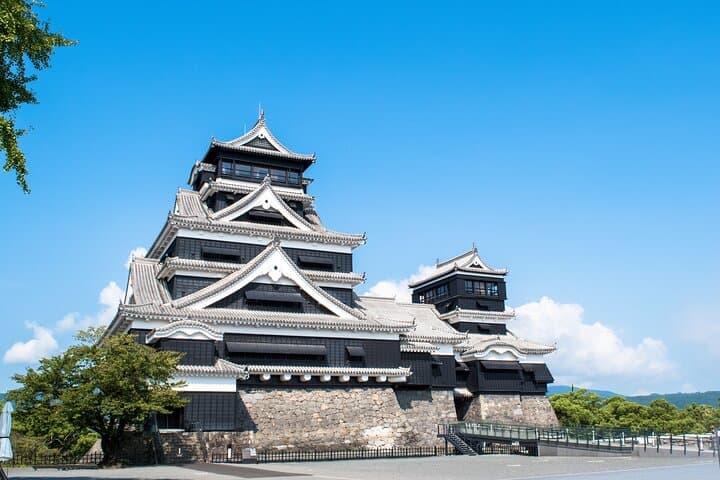
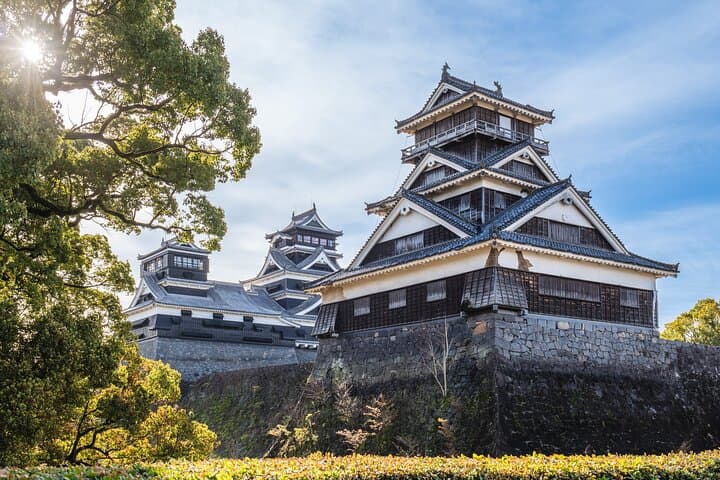
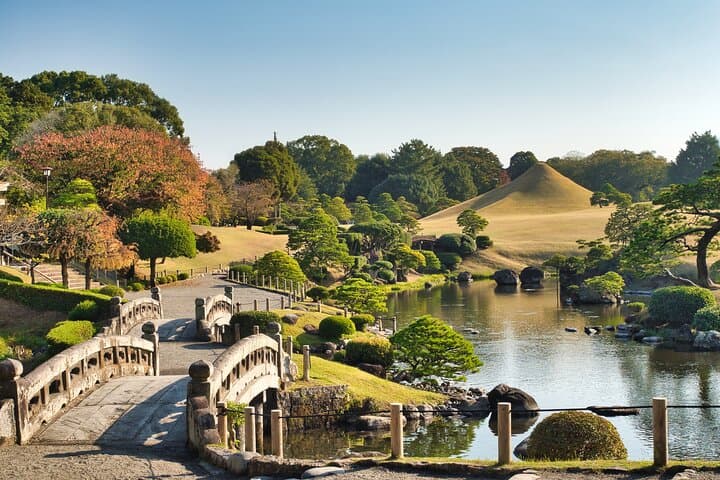
You meet your guide at a chosen pickup point and step into a city whose stones and waterways keep long memories. The morning light slants across Kumamoto Castle’s battered walls; later you wander quiet garden paths at Suizenji Park where a miniature Mount Fuji and clipped pines make the landscape feel intentionally small and intensely detailed.
You meet your guide at a chosen pickup point and step into a city whose stones and waterways keep long memories. The morning light slants across Kumamoto Castle’s battered walls; later you wander quiet garden paths at Suizenji Park where a miniature Mount Fuji and clipped pines make the landscape feel intentionally small and intensely detailed.
Kumamoto’s story is visible — feudal samurai neighborhoods, the Hosokawa clan’s residences, and the castle rebuilt repeatedly since its 1600s origin. Geologically, the city sits near the volcanic plains of Mount Aso, and the flat fertile basin guided settlement and rice cultivation for centuries. Culturally the pace is deliberate: local markets, street-side ramen shops, and craft workshops offer accessible entry points to everyday life.
On a customizable full-day tour you decide the rhythm: castle architecture and museum context, a stroll through Suizenji Jojuen, sampling local horse-meat dishes (basashi) or visiting hidden shrines. A professional English-speaking guide handles reservations and intra-city transport so you can focus on the sites and logistics.
Practical notes: plan for about eight hours on your feet with moderate walking between stops; many historic sites have steps and gravel paths. Book early — reservations and restaurant bookings need lead time. Carry a small daypack with water, a compact rain layer and respectful clothing for shrines. Expect a mix of urban streets, manicured gardens and museum interiors; timing your visit for morning and late afternoon reduces heat and crowds. This format is ideal for travelers who want control over what they see and the ease of a local fixer to execute it.