THE ADVENTURE COLLECTIVE® · Independent discovery and booking for outdoor travel

Visit Kumamoto’s crowning castle, stroll the 17th‑century Suizenji Garden, and—if you choose the extended option—watch Mt. Aso’s living crater and sweep across Kusasenri grasslands. This private full‑day tour pairs dense cultural history with volcanic landscapes.
Visit Kumamoto’s crowning castle, stroll the 17th‑century Suizenji Garden, and—if you choose the extended option—watch Mt. Aso’s living crater and sweep across Kusasenri grasslands. This private full‑day tour pairs dense cultural history with volcanic landscapes.
You step through a heavy wooden gate and the city exhales behind you: Kumamoto Castle’s stone walls rise like arranged geology, black-and-white turrets punctuating sky. In the castle grounds a breeze plays with flags and cherry trees; the city sprawls below while the tour’s private vehicle idles, ready to take you from samurai-era ramparts to volcanic highland winds.
Verified experiences and guided adventures in the surrounding area.
Operated by MY Travel Consulting · Kumamoto, Kumamoto Prefecture
You step through a heavy wooden gate and the city exhales behind you: Kumamoto Castle’s stone walls rise like arranged geology, black-and-white turrets punctuating sky. In the castle grounds a breeze plays with flags and cherry trees; the city sprawls below while the tour’s private vehicle idles, ready to take you from samurai-era ramparts to volcanic highland winds.
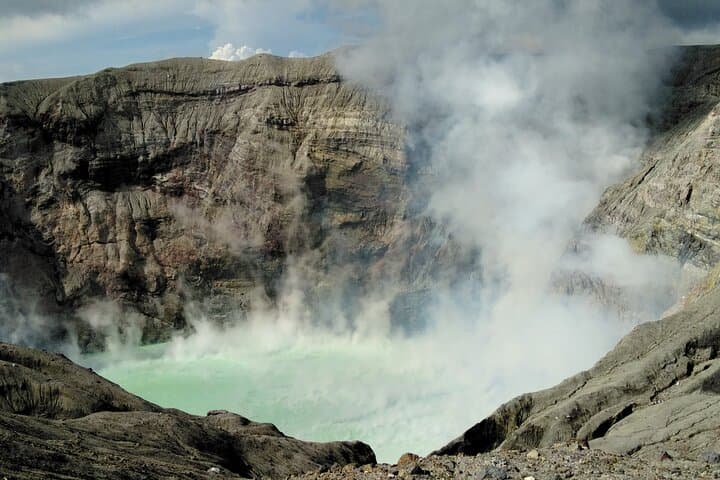
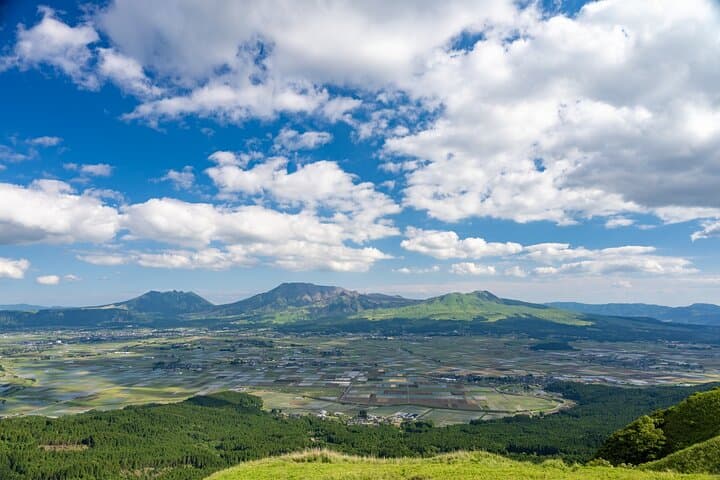
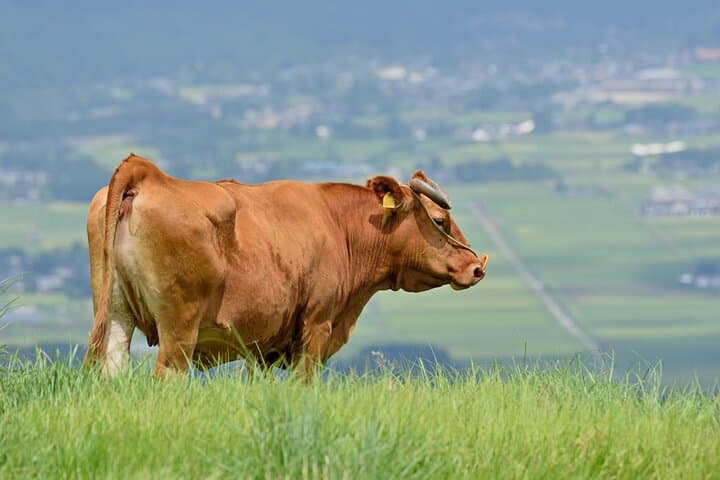
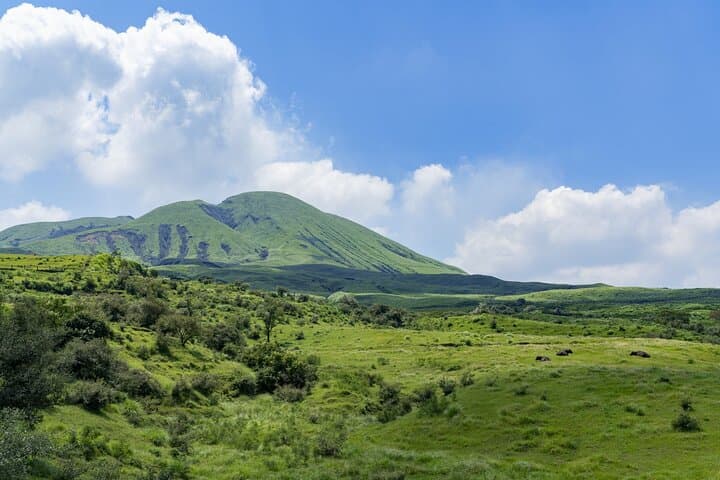
Kumamoto Castle, built in the early 1600s by Kato Kiyomasa, displays military ingenuity in its angled walls and defensive layout. A short drive away, Suizenji Jojuen Garden compresses the Tokaido’s 53 stations into a walking landscape—miniature Mt. Fuji, a reflective pond, and seasonally choreographed plantings that illustrate Edo-period landscape design. If you upgrade to the 8-hour option the itinerary opens to Mt. Aso: Nakadake’s active crater and the broad Kusasenri-ga-hama grasslands, where grazing horses punctuate the plateau and the caldera’s rim frames the horizon.
Expect a mix of urban walking and brief countryside stops. Guides typically include pickup, admission fees for the 6-hour version, and commentary on local crafts and culinary notes (Kumamoto ramen and regional specialties). Volcanic activity can alter access to Nakadake—observatory viewpoints are often the fallback.
Practicalities: allow 6–8 hours depending on option, bring layered clothing for Aso’s variable weather, and carry cash for small shops. Comfortable shoes, a charged phone camera, and a willingness to move at a steady cultural-tour pace will get the most from this day of history, horticulture, and living geology.
moderate.
6–8 hours.
Suitable for travelers with moderate fitness: urban walking, short uphill approaches, and some standing at viewpoints.
There is a standard 6‑hour highlights option covering Kumamoto Castle, Sakura‑no‑baba Josaien, and Suizenji Garden; an 8‑hour option adds Mt. Aso, Kusasenri Plateau, and Aso Farm Land.
Admission fees are included for the 6‑hour tour option as listed; confirm inclusion for the 8‑hour option when booking.
Access depends on volcanic activity and local restrictions—when closed guides will use observatories or nearby viewpoints for safe viewing.
Yes, a private vehicle with port or hotel pickup is listed among inclusions; confirm exact pickup point on booking.
Kumamoto Castle was largely constructed in the early 1600s by feudal lord Kato Kiyomasa; Suizenji Jojuen was created by the Hosokawa clan in the 17th century to evoke famous Tokaido scenery.
Aso’s fragile alpine grasslands are sensitive to overuse—stay on designated paths and respect grazing areas; local guides follow restrictions when volcanic activity threatens habitats.
MY Travel Consulting operates guided outdoor trips and adventures with an emphasis on safety, stewardship, and memorable experiences.
You step through a heavy wooden gate and the city exhales behind you: Kumamoto Castle’s stone walls rise like arranged geology, black-and-white turrets punctuating sky. In the castle grounds a breeze plays with flags and cherry trees; the city sprawls below while the tour’s private vehicle idles, ready to take you from samurai-era ramparts to volcanic highland winds.
You step through a heavy wooden gate and the city exhales behind you: Kumamoto Castle’s stone walls rise like arranged geology, black-and-white turrets punctuating sky. In the castle grounds a breeze plays with flags and cherry trees; the city sprawls below while the tour’s private vehicle idles, ready to take you from samurai-era ramparts to volcanic highland winds.
Kumamoto Castle, built in the early 1600s by Kato Kiyomasa, displays military ingenuity in its angled walls and defensive layout. A short drive away, Suizenji Jojuen Garden compresses the Tokaido’s 53 stations into a walking landscape—miniature Mt. Fuji, a reflective pond, and seasonally choreographed plantings that illustrate Edo-period landscape design. If you upgrade to the 8-hour option the itinerary opens to Mt. Aso: Nakadake’s active crater and the broad Kusasenri-ga-hama grasslands, where grazing horses punctuate the plateau and the caldera’s rim frames the horizon.
Expect a mix of urban walking and brief countryside stops. Guides typically include pickup, admission fees for the 6-hour version, and commentary on local crafts and culinary notes (Kumamoto ramen and regional specialties). Volcanic activity can alter access to Nakadake—observatory viewpoints are often the fallback.
Practicalities: allow 6–8 hours depending on option, bring layered clothing for Aso’s variable weather, and carry cash for small shops. Comfortable shoes, a charged phone camera, and a willingness to move at a steady cultural-tour pace will get the most from this day of history, horticulture, and living geology.