THE ADVENTURE COLLECTIVE® · Independent discovery and booking for outdoor travel

Spend two days in Kumamoto’s Kuma Valley with a hands-on cooking class, overnight farmhouse stay, and a Samurai Breakfast Hike to hilltop castle ruins. Learn traditional techniques, taste seasonal produce, and hike historic trails with a local chef.
Spend two days in Kumamoto’s Kuma Valley with a hands-on cooking class, overnight farmhouse stay, and a Samurai Breakfast Hike to hilltop castle ruins. Learn traditional techniques, taste seasonal produce, and hike historic trails with a local chef.
You wake before dawn to mist lifting off the Kuma River valley, footsteps soft on an old samurai trail that climbs through cedar shade toward a ruined hilltop castle. The air smells of damp earth and wood smoke; below, rice paddies hold the day’s first light. This is Ryukinka no sato — a working farm and home kitchen where food, landscape and history meet.
Verified experiences and guided adventures in the surrounding area.
Operated by 株式会社VISIT九州 · Hitoyoshi, Kumamoto Prefecture
You wake before dawn to mist lifting off the Kuma River valley, footsteps soft on an old samurai trail that climbs through cedar shade toward a ruined hilltop castle. The air smells of damp earth and wood smoke; below, rice paddies hold the day’s first light. This is Ryukinka no sato — a working farm and home kitchen where food, landscape and history meet.
The Kuma Valley has long balanced subsistence farming with river transport and mountain routes used by samurai and merchants. Geologically, the valley is carved by the Kuma River, its terraces and riverbanks shaped by volcanic soils from ancient eruptions of Kyushu’s ranges. Local culture centers on seasonal ingredients — mushrooms, mountain vegetables, river fish — and techniques like preserved pickles and charcoal grilling handed down through village households.
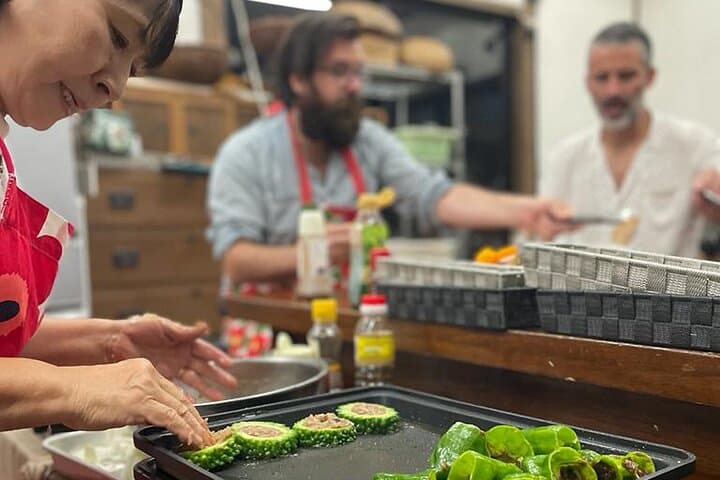
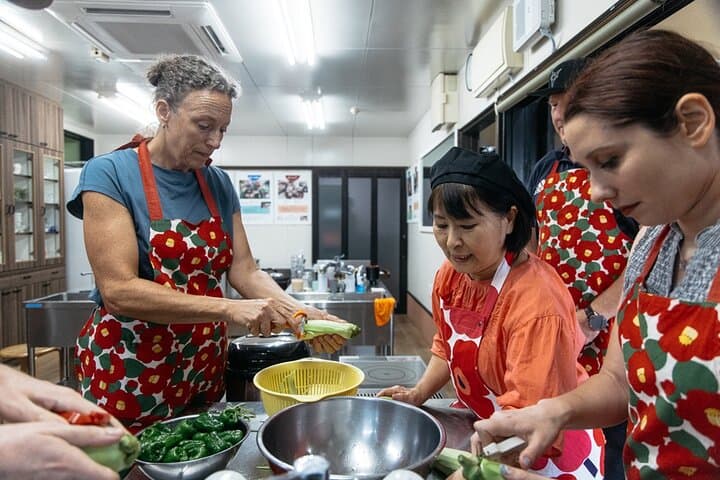
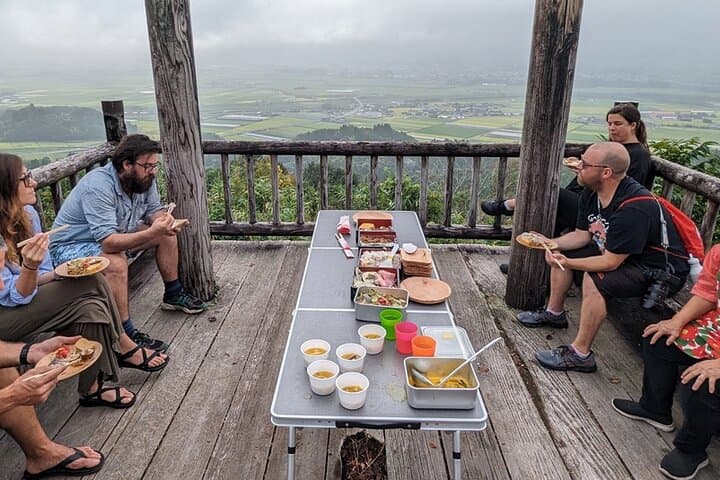
Over two days, you’ll forage or harvest early-season produce, learn region-specific preparation from Sechan in a hands-on cooking class, and sleep in a traditional farmhouse. The second morning’s Samurai Breakfast Hike follows beaten trails to a castle ruin, where a second breakfast celebrates Kuma Valley flavors with valley views.
Practical guidance: pack sturdy trail shoes and layers for cool mornings, bring cash (rural hosts may not accept cards), and be prepared for uneven steps and short uphill walks — the experience is private and paced to local rhythms. Dietary restrictions can usually be accommodated with advance notice. Expect comfortable farmhouse lodging, intimate cooking instruction, and two mornings of strong, place-driven food that reveal why Kumamoto’s uplands remain a living culinary landscape.
moderate.
2 days.
Moderate fitness — comfortable with short uphill walks, uneven terrain, and daypack-carrying for a few hours.
No — the property and trails include steps and uneven ground and the experience is not wheelchair accessible.
Yes — hosts can adapt meals with advance notice; indicate allergies or preferences at booking.
It’s a short, moderately steep walk using old trails and stone steps; good balance and basic fitness are recommended.
The local chef leads the cooking class and many hosts speak some English, but expect primary instruction in Japanese with practical demonstrations; translators are sometimes provided depending on booking.
The Kuma Valley’s trails served as regional routes for samurai and merchant traffic; hilltop castle ruins mark local feudal defenses from the Edo period.
The area emphasizes low-impact farm practices and seasonal foraging; visitors should follow leave-no-trace principles and avoid disturbing riparian habitats.
株式会社VISIT九州 operates guided outdoor trips and adventures with an emphasis on safety, stewardship, and memorable experiences.
You wake before dawn to mist lifting off the Kuma River valley, footsteps soft on an old samurai trail that climbs through cedar shade toward a ruined hilltop castle. The air smells of damp earth and wood smoke; below, rice paddies hold the day’s first light. This is Ryukinka no sato — a working farm and home kitchen where food, landscape and history meet.
You wake before dawn to mist lifting off the Kuma River valley, footsteps soft on an old samurai trail that climbs through cedar shade toward a ruined hilltop castle. The air smells of damp earth and wood smoke; below, rice paddies hold the day’s first light. This is Ryukinka no sato — a working farm and home kitchen where food, landscape and history meet.
The Kuma Valley has long balanced subsistence farming with river transport and mountain routes used by samurai and merchants. Geologically, the valley is carved by the Kuma River, its terraces and riverbanks shaped by volcanic soils from ancient eruptions of Kyushu’s ranges. Local culture centers on seasonal ingredients — mushrooms, mountain vegetables, river fish — and techniques like preserved pickles and charcoal grilling handed down through village households.
Over two days, you’ll forage or harvest early-season produce, learn region-specific preparation from Sechan in a hands-on cooking class, and sleep in a traditional farmhouse. The second morning’s Samurai Breakfast Hike follows beaten trails to a castle ruin, where a second breakfast celebrates Kuma Valley flavors with valley views.
Practical guidance: pack sturdy trail shoes and layers for cool mornings, bring cash (rural hosts may not accept cards), and be prepared for uneven steps and short uphill walks — the experience is private and paced to local rhythms. Dietary restrictions can usually be accommodated with advance notice. Expect comfortable farmhouse lodging, intimate cooking instruction, and two mornings of strong, place-driven food that reveal why Kumamoto’s uplands remain a living culinary landscape.