THE ADVENTURE COLLECTIVE® · Independent discovery and booking for outdoor travel

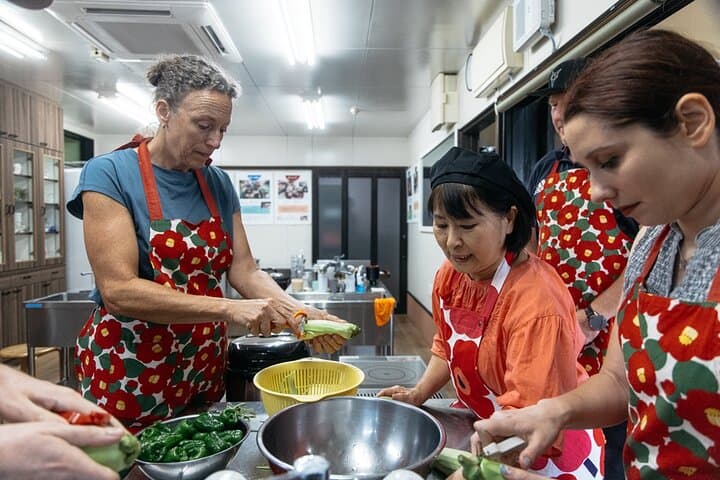
Glide through rice paddies and chestnut groves on an e-bike, visit a traditional shochu distillery, and learn to cook local dishes with a village chef. This six-hour guided tour combines light cycling with cultural stops across Kuma Valley’s riverside lanes.
Glide through rice paddies and chestnut groves on an e-bike, visit a traditional shochu distillery, and learn to cook local dishes with a village chef. This six-hour guided tour combines light cycling with cultural stops across Kuma Valley’s riverside lanes.
The ride begins beside a steady river. Pedal-assist hums beneath you as the Mae River pushes through the valley, rice paddies opening like held breaths and chestnut groves leaning toward the road. Small villages slide by—thatched-roof shrines, stone fences, and children chasing a stray breeze—while the e-bike makes the folds of the landscape feel reachable in a single morning.
Verified experiences and guided adventures in the surrounding area.
Operated by 株式会社VISIT九州 · Hitoyoshi, Kumamoto Prefecture
The ride begins beside a steady river. Pedal-assist hums beneath you as the Mae River pushes through the valley, rice paddies opening like held breaths and chestnut groves leaning toward the road. Small villages slide by—thatched-roof shrines, stone fences, and children chasing a stray breeze—while the e-bike makes the folds of the landscape feel reachable in a single morning.
This is Kuma Valley, carved by the Kuma River over millennia and shaped by the Sagara Clan’s centuries of stewardship. Geologically, the valley’s terraces record repeated floods and human adaptation; culturally, it’s home to small-scale tea farmers and time-honored shochu distilleries where sweet-potato spirits are still made over low flame.
On a typical guided itinerary you’ll learn e-bike basics, glide along riverside lanes, visit a local brewery, and gather produce at a market before cooking with a home chef. The trip blends light engineering—e-bike handling and battery awareness—with tactile cultural exchange: tasting shochu, sampling fresh tea, and learning farming rhythms.
Practical notes: the full guided program runs about six hours and requires basic cycling ability and good balance. Expect paved country roads, short gravel sections, and gentle climbs where the motor assists but you still need to pedal. Bring water, layered clothing for sudden mountain breezes, sun protection, and modest cash for small purchases. Respect private farms and temple grounds; ask before photographing people.
This tour is compact but rooted—an efficient, sensory way to read Kuma Valley’s landscape, taste its foodways, and leave a lighter footprint than a car-based tour.
moderate.
6 hours.
Moderate fitness and basic cycling ability; able to ride an e‑bike and handle short climbs.
Yes—this tour includes a market visit and a home-cooked lunch prepared during the experience, plus snacks and drinks provided by the operator.
Participants must be over 152 cm tall and under 120 kg; travelers should be able to ride a bicycle and have moderate fitness.
This tour is sold as all sales final; there is no refund for cancellations and bookings require manual confirmation. The operator may cancel for bad weather or insufficient travelers.
Non-cyclists with limited bike experience should discuss abilities at booking; the guide provides instruction, but basic cycling skill and balance are required.
The Kuma Valley was long under the influence of the Sagara Clan; small distilleries and tea farms reflect centuries of local agricultural practice.
E-biking reduces local traffic impacts—stay on designated roads, avoid trampling paddies, and support local markets to keep tourism benefits within the community.
株式会社VISIT九州 operates guided outdoor trips and adventures with an emphasis on safety, stewardship, and memorable experiences.
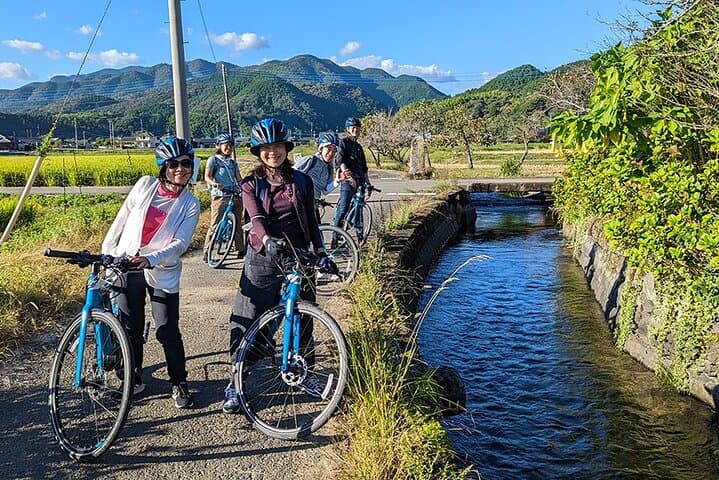
The ride begins beside a steady river. Pedal-assist hums beneath you as the Mae River pushes through the valley, rice paddies opening like held breaths and chestnut groves leaning toward the road. Small villages slide by—thatched-roof shrines, stone fences, and children chasing a stray breeze—while the e-bike makes the folds of the landscape feel reachable in a single morning.
The ride begins beside a steady river. Pedal-assist hums beneath you as the Mae River pushes through the valley, rice paddies opening like held breaths and chestnut groves leaning toward the road. Small villages slide by—thatched-roof shrines, stone fences, and children chasing a stray breeze—while the e-bike makes the folds of the landscape feel reachable in a single morning.
This is Kuma Valley, carved by the Kuma River over millennia and shaped by the Sagara Clan’s centuries of stewardship. Geologically, the valley’s terraces record repeated floods and human adaptation; culturally, it’s home to small-scale tea farmers and time-honored shochu distilleries where sweet-potato spirits are still made over low flame.
On a typical guided itinerary you’ll learn e-bike basics, glide along riverside lanes, visit a local brewery, and gather produce at a market before cooking with a home chef. The trip blends light engineering—e-bike handling and battery awareness—with tactile cultural exchange: tasting shochu, sampling fresh tea, and learning farming rhythms.
Practical notes: the full guided program runs about six hours and requires basic cycling ability and good balance. Expect paved country roads, short gravel sections, and gentle climbs where the motor assists but you still need to pedal. Bring water, layered clothing for sudden mountain breezes, sun protection, and modest cash for small purchases. Respect private farms and temple grounds; ask before photographing people.
This tour is compact but rooted—an efficient, sensory way to read Kuma Valley’s landscape, taste its foodways, and leave a lighter footprint than a car-based tour.