THE ADVENTURE COLLECTIVE® · Independent discovery and booking for outdoor travel

A private 7‑day circuit from Kullu to Shimla that mixes high mountain views, sacred hot springs, colonial Shimla and alpine activities around Manali. Expect long drives, high passes (Rohtang), and daily walks through village markets and cedar forests.
A private 7‑day circuit from Kullu to Shimla that mixes high mountain views, sacred hot springs, colonial Shimla and alpine activities around Manali. Expect long drives, high passes (Rohtang), and daily walks through village markets and cedar forests.
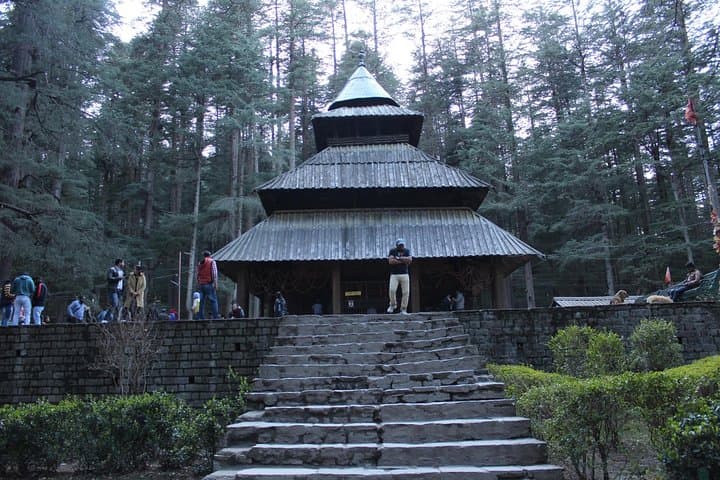
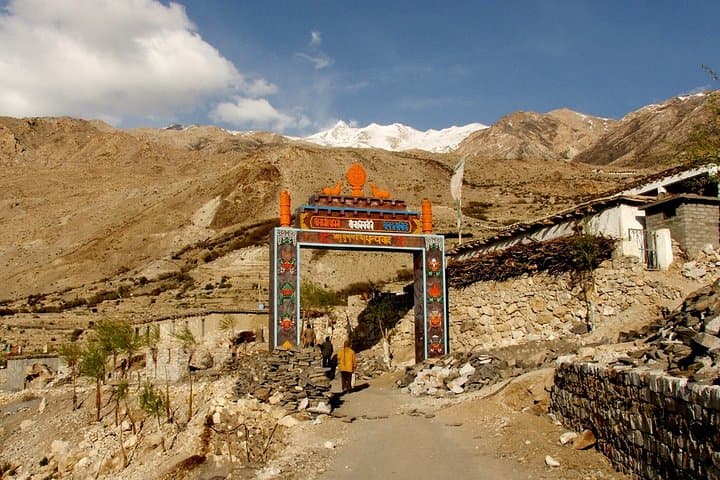
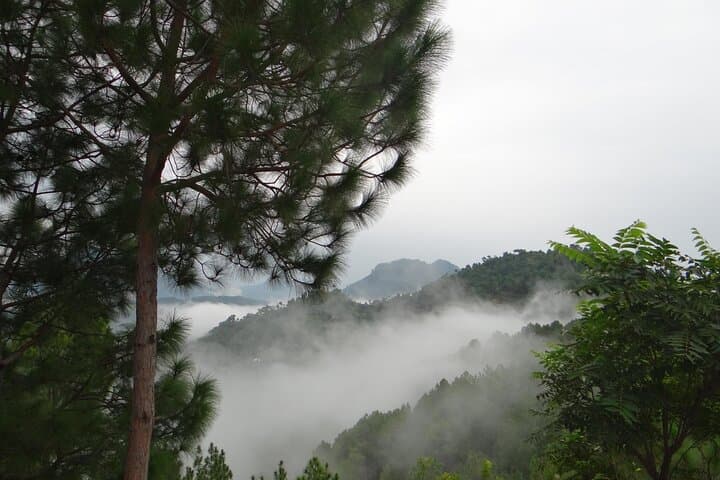
You step off the small Kullu plane into thin, cool air and the Beas River seems to urge you onward—louder as the road climbs toward Manali. Pine and deodar forests press close; switchbacks carve through carved granite and sudden clearings open to snow-capped summits that watch like quiet sentries.
Verified experiences and guided adventures in the surrounding area.
Operated by Agora Voyages Pvt. Ltd. · Manali, Himachal Pradesh
You step off the small Kullu plane into thin, cool air and the Beas River seems to urge you onward—louder as the road climbs toward Manali. Pine and deodar forests press close; switchbacks carve through carved granite and sudden clearings open to snow-capped summits that watch like quiet sentries.
This private 6‑night route threads familiar Himachal scenes: Kullu’s fertile valley carved by glacial rivers, the sacred springs and gurudwara at Manikaran in Parvati Valley, Manali’s cedar groves and Tibetan monasteries, and Shimla’s broad Ridge and colonial villas built during the British summer capital era. Geologically, you’re on the southern slopes of the Greater Himalaya—uplifted thrusts of metamorphic rock with youthful, steep valleys prone to quick weather shifts.
Culturally, expect small‑town markets, Kashmiri and Himachali handicrafts, and simple temples where pilgrims mix with trekkers. Wildlife here favors the high meadows and forests: keep an eye for pheasants, langurs, and signs of Himalayan black bear in the sanctuary zones.
Practical guidance: plan for long drives (Manali–Shimla ≈ 6 hours), short altitude gains and a major one at Rohtang Pass (permit required in peak season). Bring layered clothing for sudden cold, sun protection for high‑altitude glare, and cash for remote villages. Allow a day to acclimatize in Manali before any strenuous treks (Bhrigu Lake, Solang Valley excursions). Travel windows: late spring through early autumn for road access; winter closures and chain requirements are common.
Move at a measured rhythm—mornings for sightlines and afternoons for market walks—and leave room for the unexpected: a roadside apple stall, an impromptu temple puja, or a snowfield that insists you kick off your boots and play.
moderate.
6–7 days.
Moderate fitness: able to manage several hours of sightseeing on foot, short hikes and long vehicle transfers at altitude.
Yes—Rohtang permits are required for vehicles during peak periods; your operator can arrange them or advise on how to apply locally.
Late spring to early autumn (April–June, September–October) offers the best balance of road access, clear views and moderate temperatures.
Rohtang and some nearby treks reach high elevations; mild altitude effects are possible—rise slowly, hydrate, and avoid strenuous activity on day one.
This private tour typically includes breakfast and hotel stays per the itinerary; local meals are available at roadside dhabas and restaurants—inform providers of dietary needs in advance.
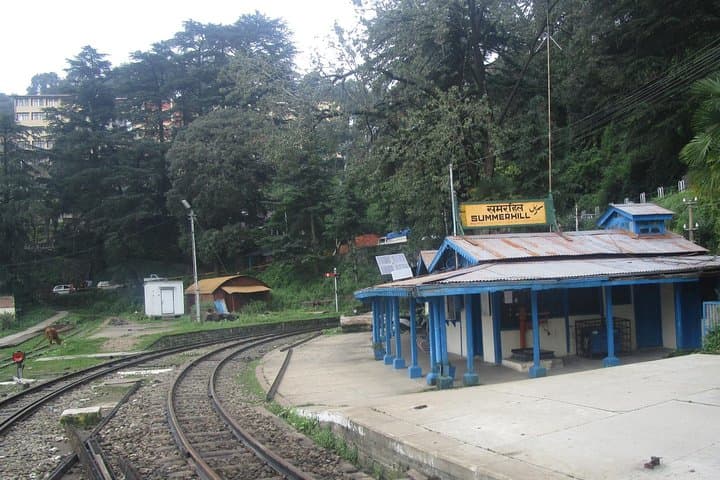
Shimla served as the British summer capital and still shows colonial architecture; Kullu and Parvati valleys were traditional trade and pilgrimage corridors between Himalayan communities.
Tourism stresses fragile mountain ecosystems—use refillable water bottles, avoid single‑use plastics, and follow local waste disposal rules to reduce impact.
Agora Voyages Pvt. Ltd. operates guided outdoor trips and adventures with an emphasis on safety, stewardship, and memorable experiences.
You step off the small Kullu plane into thin, cool air and the Beas River seems to urge you onward—louder as the road climbs toward Manali. Pine and deodar forests press close; switchbacks carve through carved granite and sudden clearings open to snow-capped summits that watch like quiet sentries.
You step off the small Kullu plane into thin, cool air and the Beas River seems to urge you onward—louder as the road climbs toward Manali. Pine and deodar forests press close; switchbacks carve through carved granite and sudden clearings open to snow-capped summits that watch like quiet sentries.
This private 6‑night route threads familiar Himachal scenes: Kullu’s fertile valley carved by glacial rivers, the sacred springs and gurudwara at Manikaran in Parvati Valley, Manali’s cedar groves and Tibetan monasteries, and Shimla’s broad Ridge and colonial villas built during the British summer capital era. Geologically, you’re on the southern slopes of the Greater Himalaya—uplifted thrusts of metamorphic rock with youthful, steep valleys prone to quick weather shifts.
Culturally, expect small‑town markets, Kashmiri and Himachali handicrafts, and simple temples where pilgrims mix with trekkers. Wildlife here favors the high meadows and forests: keep an eye for pheasants, langurs, and signs of Himalayan black bear in the sanctuary zones.
Practical guidance: plan for long drives (Manali–Shimla ≈ 6 hours), short altitude gains and a major one at Rohtang Pass (permit required in peak season). Bring layered clothing for sudden cold, sun protection for high‑altitude glare, and cash for remote villages. Allow a day to acclimatize in Manali before any strenuous treks (Bhrigu Lake, Solang Valley excursions). Travel windows: late spring through early autumn for road access; winter closures and chain requirements are common.
Move at a measured rhythm—mornings for sightlines and afternoons for market walks—and leave room for the unexpected: a roadside apple stall, an impromptu temple puja, or a snowfield that insists you kick off your boots and play.