THE ADVENTURE COLLECTIVE® · Independent discovery and booking for outdoor travel

Explore Phnom Kulen’s sacred waterfalls and the River of a Thousand Lingas, then witness daily life and a Tonle Sap sunset at Kampong Phluk. This two-day combination pairs short jungle walks and stone carvings with a tranquil boat journey through flooded forests.
Explore Phnom Kulen’s sacred waterfalls and the River of a Thousand Lingas, then witness daily life and a Tonle Sap sunset at Kampong Phluk. This two-day combination pairs short jungle walks and stone carvings with a tranquil boat journey through flooded forests.
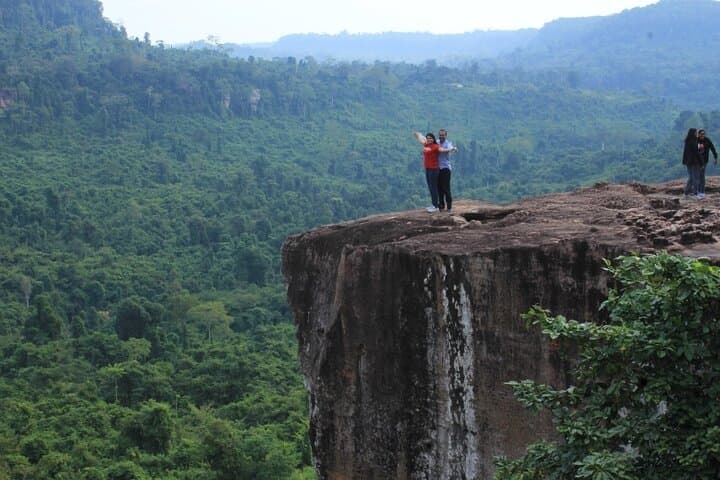
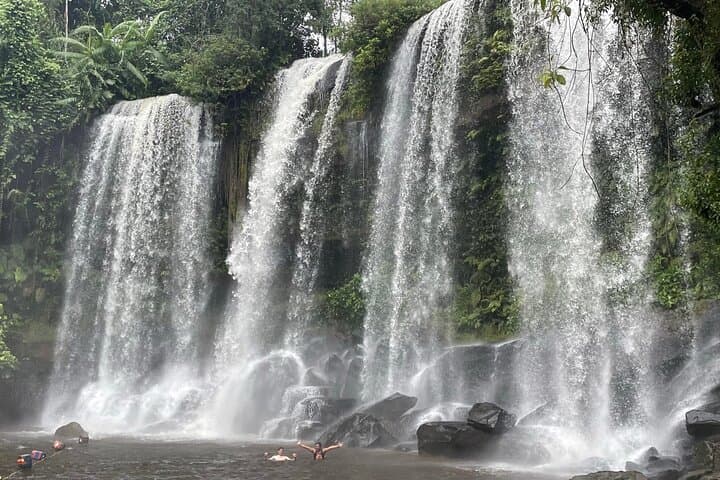
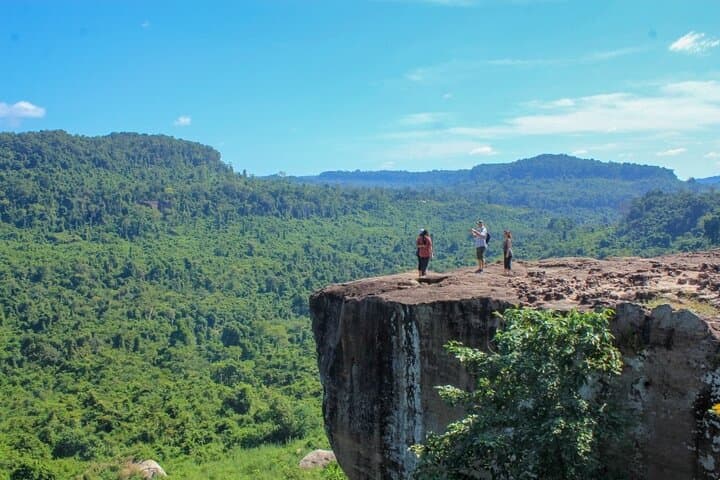
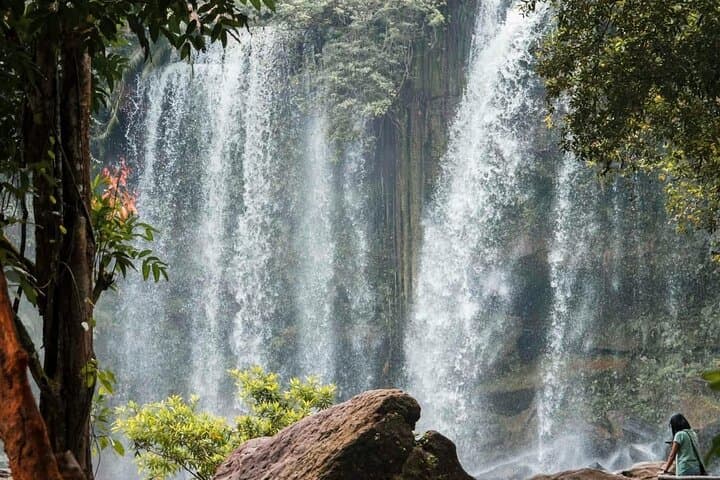
Morning light slices across quiet country roads as your vehicle climbs toward Phnom Kulen’s plateau, the air cooling and the trees closing in like an escort. On the high ground, jungle paths give way to mossy stone and rushing falls — water pushing you forward toward the carved riverbed known as the River of a Thousand Lingas and the hulking stone Buddha of Preah Ang Thom.
Verified experiences and guided adventures in the surrounding area.
Operated by Angkor Wat Local Guide · Siem Reap, Siem Reap Province
Morning light slices across quiet country roads as your vehicle climbs toward Phnom Kulen’s plateau, the air cooling and the trees closing in like an escort. On the high ground, jungle paths give way to mossy stone and rushing falls — water pushing you forward toward the carved riverbed known as the River of a Thousand Lingas and the hulking stone Buddha of Preah Ang Thom.
Phnom Kulen is a geological upland of sandstone outcrops that fed the sandstone used across the Angkor plain; it’s also a sacred site where Jayavarman II is said to have proclaimed the Khmer kingdom. The River of a Thousand Lingas preserves centuries-old ritual carvings, while the waterfalls are both a scenic reward and a functional source of local life. A day later, the scene shifts to Tonle Sap’s flooded forests: stilt houses, wooden boats, and a community adapted to the lake’s extreme seasonal swing.
Expect uneven forest trails, short steep sections to waterfall pools, and a guided boat on silent mangrove channels at sunset. Cultural context matters here — dress to cover shoulders and knees at temples, move respectfully through villages, and follow your guide’s path to protect fragile carvings.
Practical notes: bring water, sun protection, and a light rain layer in wet months; wear sturdy shoes with grip for slippery rocks; carry small local currency for markets and donations. Timing your visit for the dry season yields easier walking, but the lake’s flooded spectacle is most dramatic at the end of the rainy season.
moderate.
2 days (day 1: full day; day 2: half day).
Comfortable walking fitness; able to manage short steep sections, steps, and boat transfers.
Admissions to some sites and national park fees may not be included—confirm with your operator and carry small cash if required.
Yes for school-age children who can manage walking and boat rides; supervise near waterfalls and riverbanks.
Dry season (November–February) for easier walking; late rainy season (September–October) for the fullest lake levels and dramatic water vistas.
Yes — the tour includes hotel pick-up and drop-off in Siem Reap via air-conditioned vehicle.
Phnom Kulen is both a geological source of Angkor sandstone and a ritual landscape where Jayavarman II proclaimed Khmer sovereignty; the lingas carved into the riverbed mark sacred Hindu rites.
Visitors should stay on established paths to protect fragile carvings and avoid touching rock art; use reusable bottles and support local guides to reduce single-use plastic and benefit communities.
Angkor Wat Local Guide operates guided outdoor trips and adventures with an emphasis on safety, stewardship, and memorable experiences.
Morning light slices across quiet country roads as your vehicle climbs toward Phnom Kulen’s plateau, the air cooling and the trees closing in like an escort. On the high ground, jungle paths give way to mossy stone and rushing falls — water pushing you forward toward the carved riverbed known as the River of a Thousand Lingas and the hulking stone Buddha of Preah Ang Thom.
Morning light slices across quiet country roads as your vehicle climbs toward Phnom Kulen’s plateau, the air cooling and the trees closing in like an escort. On the high ground, jungle paths give way to mossy stone and rushing falls — water pushing you forward toward the carved riverbed known as the River of a Thousand Lingas and the hulking stone Buddha of Preah Ang Thom.
Phnom Kulen is a geological upland of sandstone outcrops that fed the sandstone used across the Angkor plain; it’s also a sacred site where Jayavarman II is said to have proclaimed the Khmer kingdom. The River of a Thousand Lingas preserves centuries-old ritual carvings, while the waterfalls are both a scenic reward and a functional source of local life. A day later, the scene shifts to Tonle Sap’s flooded forests: stilt houses, wooden boats, and a community adapted to the lake’s extreme seasonal swing.
Expect uneven forest trails, short steep sections to waterfall pools, and a guided boat on silent mangrove channels at sunset. Cultural context matters here — dress to cover shoulders and knees at temples, move respectfully through villages, and follow your guide’s path to protect fragile carvings.
Practical notes: bring water, sun protection, and a light rain layer in wet months; wear sturdy shoes with grip for slippery rocks; carry small local currency for markets and donations. Timing your visit for the dry season yields easier walking, but the lake’s flooded spectacle is most dramatic at the end of the rainy season.