THE ADVENTURE COLLECTIVE® · Independent discovery and booking for outdoor travel

A full-day private tour that pairs the cool plunge pools and sacred carvings of Phnom Kulen with the jungle-claimed ruins of Beng Mealea. Expect a long, scenic day from Siem Reap with a local Khmer guide, swimming at the waterfall, and close-up exploration of largely unrestored temple ruins.
A full-day private tour that pairs the cool plunge pools and sacred carvings of Phnom Kulen with the jungle-claimed ruins of Beng Mealea. Expect a long, scenic day from Siem Reap with a local Khmer guide, swimming at the waterfall, and close-up exploration of largely unrestored temple ruins.
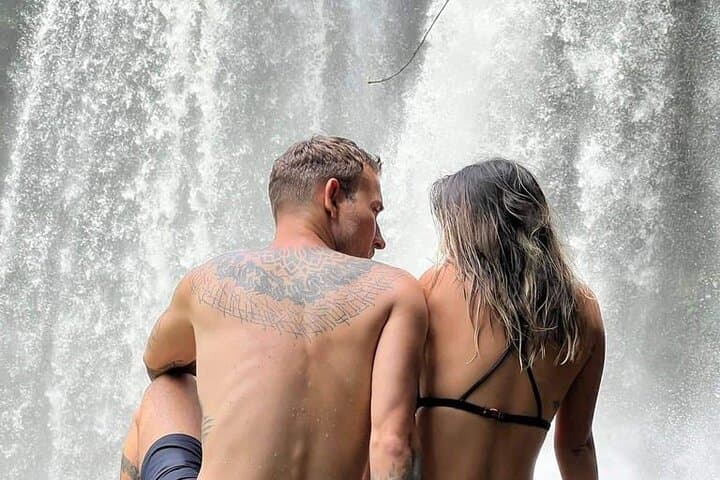
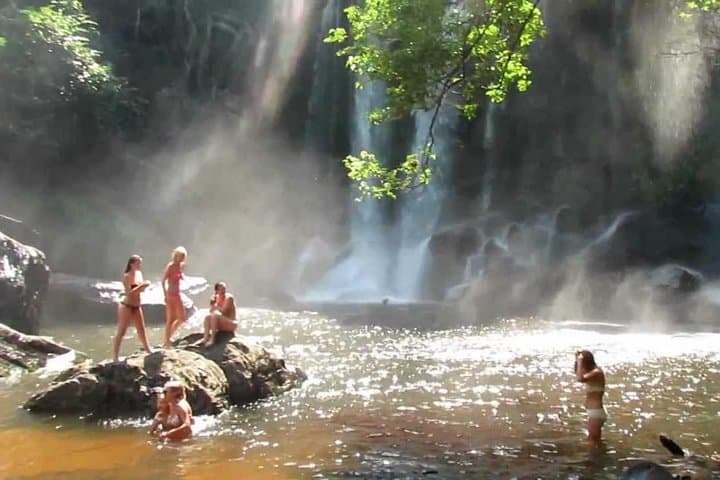
Morning light slices across rice paddies as the air-conditioned van winds east from Siem Reap toward Phnom Kulen. The mountain announces itself with a cool, wet breath—the waterfall daring you to strip off a dusty day and swim in its plunge pool—while nearby a massive reclining Buddha sits carved into sandstone, quiet and monumental.
Verified experiences and guided adventures in the surrounding area.
Operated by Angkor Wat Shared Tours · Siem Reap, Siem Reap Province
Morning light slices across rice paddies as the air-conditioned van winds east from Siem Reap toward Phnom Kulen. The mountain announces itself with a cool, wet breath—the waterfall daring you to strip off a dusty day and swim in its plunge pool—while nearby a massive reclining Buddha sits carved into sandstone, quiet and monumental.
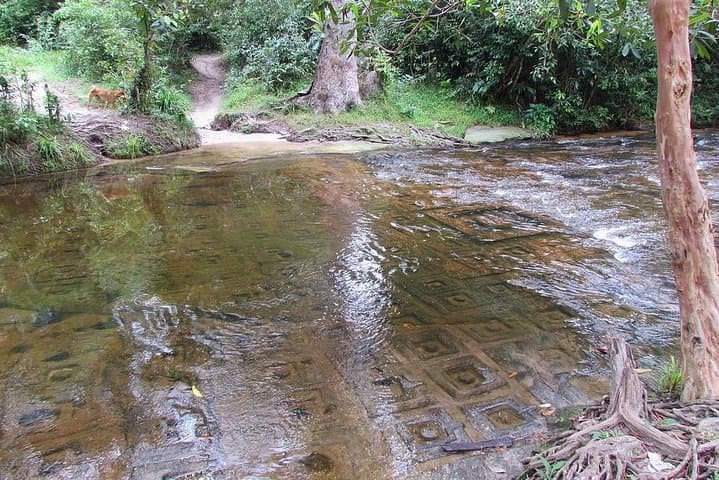
Phnom Kulen is a sacred ridge where Jayavarman II and later Khmer architects left stone signatures: the riverbed’s carved lingas mark ancient hydraulic and religious engineering, and the geology shifts from flat delta to weathered sandstone cliffs. Beng Mealea, by contrast, reads like an abandoned chapter of Angkor—12th-century galleries and collapsed roofs draped in roots and fig trees, offering a raw, tactile sense of how jungle reclaims stone.
A local Khmer guide connects these places to the wider Angkor story and contemporary village life; expect insights on temple symbolism, rice cultivation around the park, and how seasonal streams shaped ancient routes. The tour is a long day—roughly 10–11 hours with road time—so plan accordingly.
Practical notes: bring modest clothing for temple visits, swimwear and a quick-dry towel for the waterfall, sturdy shoes for uneven paths, and cash for smaller temple fees or donations (Beng Mealea admission is often separate). Start early to avoid heat and peak tourist vans; carry water, insect repellent and a lightweight rain layer during the wet season. Respect religious spaces, follow your guide’s route to limit erosion, and leave no trace—these sites feel fragile underfoot and thrive when visitors tread lightly.
moderate.
10–11 hours.
Moderate fitness: comfortable with a full day of walking, short hikes, and some uneven terrain; heat tolerance helps.
Yes—there’s a designated plunge pool beneath the falls; follow guide instructions about safe spots and current conditions.
The tour typically includes Phnom Kulen ticket and park fees; Beng Mealea admission is sometimes unpaid in tour pricing, so carry small cash just in case.
Children can do the tour but should be supervised at the waterfall and ruins; the itinerary involves uneven steps and some walking—those with limited mobility may find certain areas inaccessible.
Expect roughly 1–2 hours at Phnom Kulen features (waterfall, reclining Buddha) and about 2 hours exploring Beng Mealea, plus road time between sites and Siem Reap.
Phnom Kulen was a consecration site for early Khmer kings and features riverbed lingas; Beng Mealea dates to the 12th century and mirrors Angkor-era design but is largely unrestored.
These sites are vulnerable to erosion from foot traffic and unmanaged vegetation; stick to paths, avoid climbing fragile structures, and support local guides who follow conservation rules.
Angkor Wat Shared Tours operates guided outdoor trips and adventures with an emphasis on safety, stewardship, and memorable experiences.
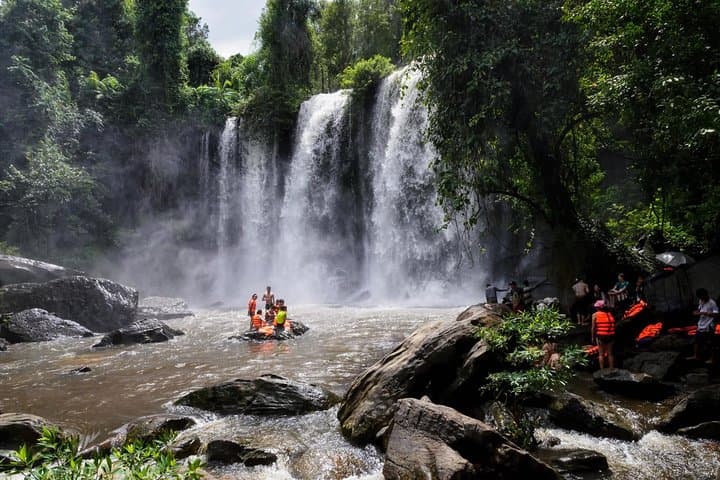
Morning light slices across rice paddies as the air-conditioned van winds east from Siem Reap toward Phnom Kulen. The mountain announces itself with a cool, wet breath—the waterfall daring you to strip off a dusty day and swim in its plunge pool—while nearby a massive reclining Buddha sits carved into sandstone, quiet and monumental.
Morning light slices across rice paddies as the air-conditioned van winds east from Siem Reap toward Phnom Kulen. The mountain announces itself with a cool, wet breath—the waterfall daring you to strip off a dusty day and swim in its plunge pool—while nearby a massive reclining Buddha sits carved into sandstone, quiet and monumental.
Phnom Kulen is a sacred ridge where Jayavarman II and later Khmer architects left stone signatures: the riverbed’s carved lingas mark ancient hydraulic and religious engineering, and the geology shifts from flat delta to weathered sandstone cliffs. Beng Mealea, by contrast, reads like an abandoned chapter of Angkor—12th-century galleries and collapsed roofs draped in roots and fig trees, offering a raw, tactile sense of how jungle reclaims stone.
A local Khmer guide connects these places to the wider Angkor story and contemporary village life; expect insights on temple symbolism, rice cultivation around the park, and how seasonal streams shaped ancient routes. The tour is a long day—roughly 10–11 hours with road time—so plan accordingly.
Practical notes: bring modest clothing for temple visits, swimwear and a quick-dry towel for the waterfall, sturdy shoes for uneven paths, and cash for smaller temple fees or donations (Beng Mealea admission is often separate). Start early to avoid heat and peak tourist vans; carry water, insect repellent and a lightweight rain layer during the wet season. Respect religious spaces, follow your guide’s route to limit erosion, and leave no trace—these sites feel fragile underfoot and thrive when visitors tread lightly.