THE ADVENTURE COLLECTIVE® · Independent discovery and booking for outdoor travel

Spend a full day north of Siem Reap exploring Phnom Kulen’s sacred falls, the 1,000 lingas in the river and a mountaintop reclining Buddha, then move on to the jungle-engulfed ruins of Beng Mealea. This private tour combines swimming, heritage, and off-the-beaten-path temple exploration.
Spend a full day north of Siem Reap exploring Phnom Kulen’s sacred falls, the 1,000 lingas in the river and a mountaintop reclining Buddha, then move on to the jungle-engulfed ruins of Beng Mealea. This private tour combines swimming, heritage, and off-the-beaten-path temple exploration.
Morning heat presses against the car windows as you drive north from Siem Reap; rice paddies slip by like pages. By mid-morning the road climbs into shaded forest and the sound of the Kulen waterfall cuts through the trees—cool water daring you off the rocks and into a shallow pool. The river here carries the carvings of a distant dynasty: 1,000 lingas cut into limestone, clear evidence of the Khmer Empire’s engineering and spiritual life.
Verified experiences and guided adventures in the surrounding area.
Operated by Angkor Special Tours · Siem Reap, Siem Reap Province
Morning heat presses against the car windows as you drive north from Siem Reap; rice paddies slip by like pages. By mid-morning the road climbs into shaded forest and the sound of the Kulen waterfall cuts through the trees—cool water daring you off the rocks and into a shallow pool. The river here carries the carvings of a distant dynasty: 1,000 lingas cut into limestone, clear evidence of the Khmer Empire’s engineering and spiritual life.
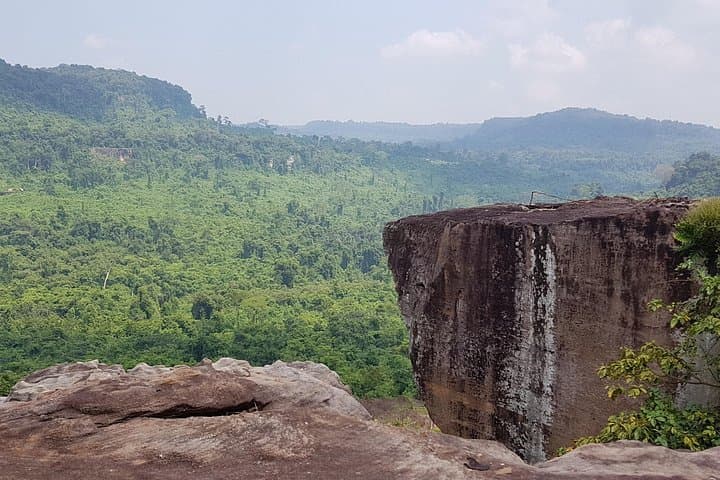
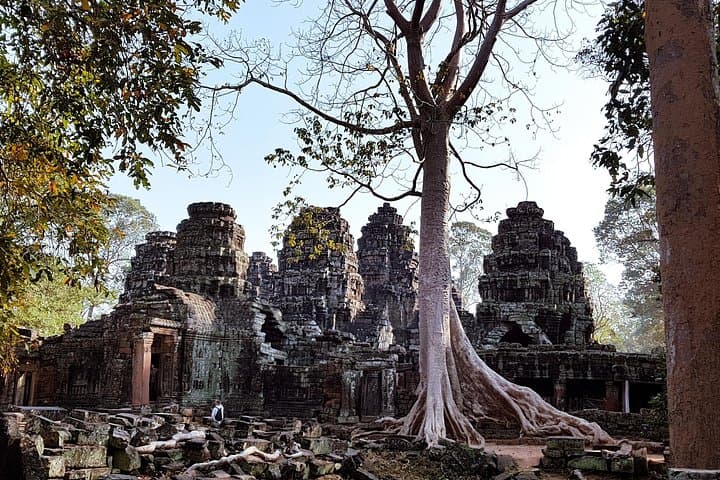
Phnom Kulen (Kulen Mountain) sits north of the Angkor plain and was a political and sacred center before Angkor. On the summit a 16th-century reclining Buddha overlooks the valley, a quieter counterpoint to the churning falls. Later the tour winds east to Beng Mealea, where crumbling galleries and squat trees push roots through sandstone blocks; the site gives a raw, cinematic feel—hence its use in several films.
Expect a full day (about 7–8 hours) with walking on uneven jungle paths, short swims, and temple exploration. Guides handle tickets (Kulen entry ~US$20), logistics, and timing to avoid big tour groups; plan for hot, humid conditions, sticky trails after rain, and limited facilities at both sites. Good shoes, modest temple clothing, water, and insect repellent make the day smoother. Photography thrives at first light and late afternoon; midday is best for the falls. The experience combines natural coolness, tactile history, and a chance to see how rural life still threads through Cambodia’s ancient stones.
moderate.
7–8 hours.
Moderate fitness for uneven jungle paths, short hikes and some swimming; able to walk 3–5 miles over varied terrain.
Yes—Beng Mealea is included on the Angkor Archaeological Park ticket; a multi-day pass covers it, or you can buy a one-day ticket at nearby ticket counters.
Yes, there are shallow pools suitable for swimming, but conditions vary with rain—obey local signage and your guide on safe spots to enter the water.
The tour runs about 7–8 hours (departing around 8:00 am), including transport, site visits, and a lunch break you pay for locally.
Basic restrooms and vendors exist near main attractions, but options are limited—bring snacks and water if you have specific dietary needs.
Phnom Kulen served as a sacred center and early capital before Angkor; the 1,000 lingas and reclining Buddha reflect shifts from Hindu royal projects to later Buddhist patronage.
Park fees contribute to site protection, but erosion and litter are local issues—stick to trails, avoid climbing fragile masonry, and pack out trash.
Angkor Special Tours operates guided outdoor trips and adventures with an emphasis on safety, stewardship, and memorable experiences.
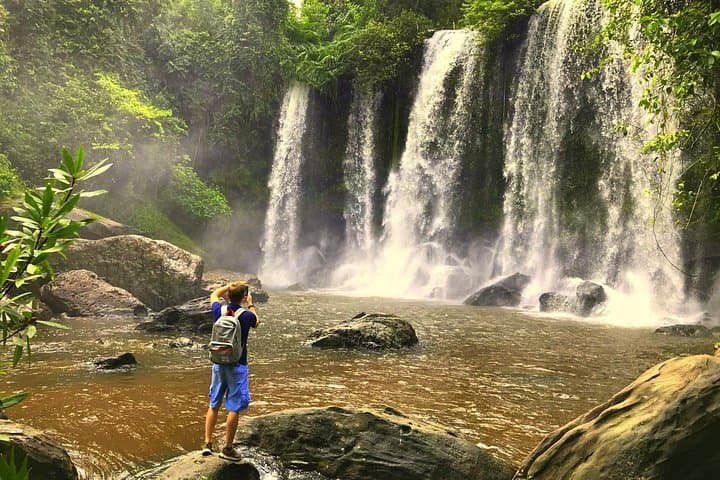
Morning heat presses against the car windows as you drive north from Siem Reap; rice paddies slip by like pages. By mid-morning the road climbs into shaded forest and the sound of the Kulen waterfall cuts through the trees—cool water daring you off the rocks and into a shallow pool. The river here carries the carvings of a distant dynasty: 1,000 lingas cut into limestone, clear evidence of the Khmer Empire’s engineering and spiritual life.
Morning heat presses against the car windows as you drive north from Siem Reap; rice paddies slip by like pages. By mid-morning the road climbs into shaded forest and the sound of the Kulen waterfall cuts through the trees—cool water daring you off the rocks and into a shallow pool. The river here carries the carvings of a distant dynasty: 1,000 lingas cut into limestone, clear evidence of the Khmer Empire’s engineering and spiritual life.
Phnom Kulen (Kulen Mountain) sits north of the Angkor plain and was a political and sacred center before Angkor. On the summit a 16th-century reclining Buddha overlooks the valley, a quieter counterpoint to the churning falls. Later the tour winds east to Beng Mealea, where crumbling galleries and squat trees push roots through sandstone blocks; the site gives a raw, cinematic feel—hence its use in several films.
Expect a full day (about 7–8 hours) with walking on uneven jungle paths, short swims, and temple exploration. Guides handle tickets (Kulen entry ~US$20), logistics, and timing to avoid big tour groups; plan for hot, humid conditions, sticky trails after rain, and limited facilities at both sites. Good shoes, modest temple clothing, water, and insect repellent make the day smoother. Photography thrives at first light and late afternoon; midday is best for the falls. The experience combines natural coolness, tactile history, and a chance to see how rural life still threads through Cambodia’s ancient stones.