THE ADVENTURE COLLECTIVE® · Independent discovery and booking for outdoor travel

Spend a full day diving into Yucatán’s living history: swim in Hubiku cenote, sample tequila in Temozón, wander Valladolid’s colonial streets, and cap it off with the Kukulkán light show at Chichén Itzá. This tour blends nature, culture and night-time spectacle.
Spend a full day diving into Yucatán’s living history: swim in Hubiku cenote, sample tequila in Temozón, wander Valladolid’s colonial streets, and cap it off with the Kukulkán light show at Chichén Itzá. This tour blends nature, culture and night-time spectacle.
You arrive as the day cools and the jungle exhales — headlights recede, and the cenote’s water sits like glass below a halo of roots. The tour moves from the sudden blue of Hubiku, to a quick tequila interlude in Temozón, then through the painted streets of Valladolid before finishing at the Kukulkán light-and-sound performance beneath the pyramid’s stones.
Verified experiences and guided adventures in the surrounding area.
Operated by Cancun and Chichen Itza Experiences · Valladolid, Yucatán
You arrive as the day cools and the jungle exhales — headlights recede, and the cenote’s water sits like glass below a halo of roots. The tour moves from the sudden blue of Hubiku, to a quick tequila interlude in Temozón, then through the painted streets of Valladolid before finishing at the Kukulkán light-and-sound performance beneath the pyramid’s stones.
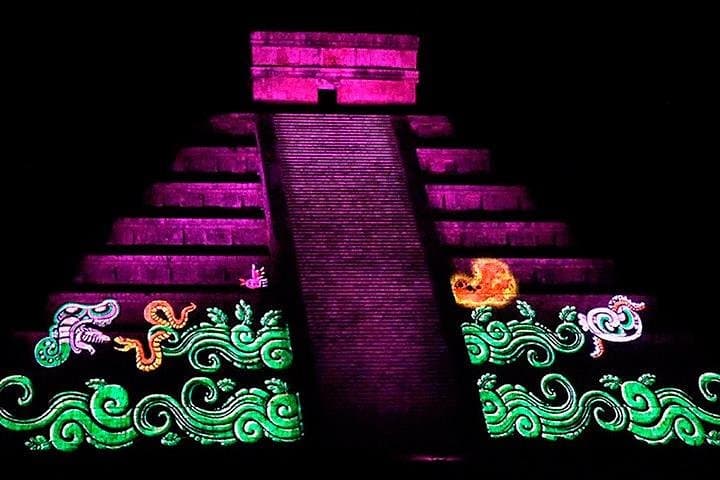
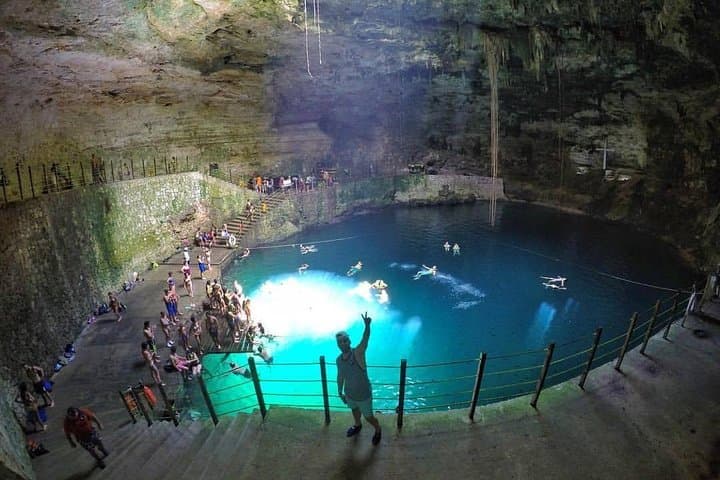
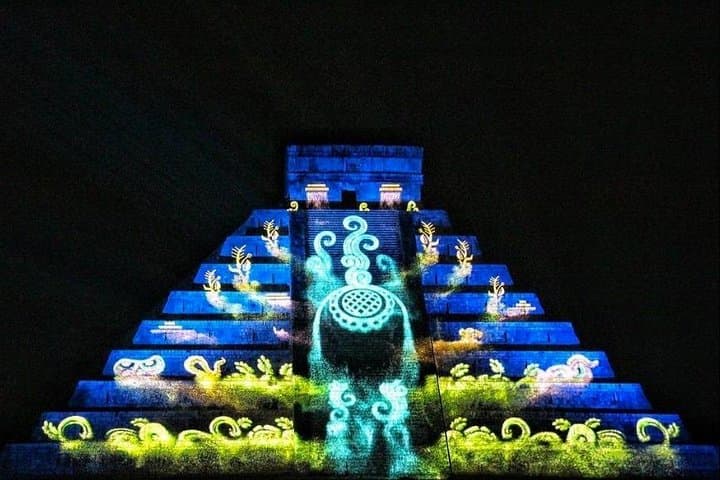
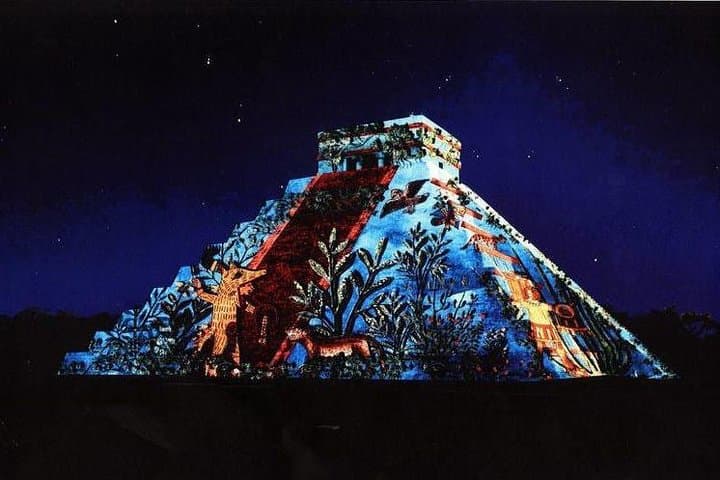
Hubiku’s circular sinkhole opens to the sky; sunlight and roots sketch patterns on the emerald water, and its name — “nest of iguanas” — is a reminder that wildlife claims these caverns as much as people do. Valladolid, founded in the 16th century, preserves Franciscan architecture and lively plazas where mestizo and Mayan culture mix. Chichén Itzá itself is a lesson in geology and engineering: the limestone plains of the Yucatán created cenotes that sustained Maya settlements and shaped cosmology, and the Pyramid of Kukulkán encodes astronomical and mathematical knowledge in its steps and shadows.
Practical points: this is a full-day outing (expect long travel windows), so plan for early pickup and late return. Bring biodegradable sunscreen for the cenote, a towel and swimsuit, and comfortable shoes for walking on uneven archaeological stone. Stay hydrated and carry insect repellent for dusk. Photography is allowed but respect barriers and staff directions in the archaeological zone — the light show projects narratives about gods, rites, and celestial cycles, and night visits offer cooler temperatures and smaller crowds than daytime tours.
Expect a paced day that combines a fresh-water dip, cultural tasting, colonial strolls, and a theatrical close beneath one of the Yucatán’s most iconic monuments.
moderate.
10–13 hours.
Moderate stamina recommended for a long day of walking, swimming and standing during shows
Yes — Hubiku allows swimming; bring a swimsuit, towel and use only biodegradable sunscreen or rinse off before entering.
The light-and-sound projection runs roughly 40–60 minutes and is scheduled during the evening portion of the tour; exact times vary by season.
Most tours include hotel pickup; travel from the Riviera Maya/Cancún area can be 2–3 hours each way depending on traffic.
Standard rules apply: stay behind barriers, don’t climb monuments, and follow guides and park staff instructions to protect the site.
Chichén Itzá rose to prominence in the Terminal Classic era; its Kukulkán pyramid aligns with equinox-shadow phenomena and reflects Maya astronomical knowledge.
Visitors should avoid non-biodegradable sunscreens in cenotes, stick to marked paths at archaeological sites, and support local guides to keep tourism benefits in the region.
Cancun and Chichen Itza Experiences operates guided outdoor trips and adventures with an emphasis on safety, stewardship, and memorable experiences.
You arrive as the day cools and the jungle exhales — headlights recede, and the cenote’s water sits like glass below a halo of roots. The tour moves from the sudden blue of Hubiku, to a quick tequila interlude in Temozón, then through the painted streets of Valladolid before finishing at the Kukulkán light-and-sound performance beneath the pyramid’s stones.
You arrive as the day cools and the jungle exhales — headlights recede, and the cenote’s water sits like glass below a halo of roots. The tour moves from the sudden blue of Hubiku, to a quick tequila interlude in Temozón, then through the painted streets of Valladolid before finishing at the Kukulkán light-and-sound performance beneath the pyramid’s stones.
Hubiku’s circular sinkhole opens to the sky; sunlight and roots sketch patterns on the emerald water, and its name — “nest of iguanas” — is a reminder that wildlife claims these caverns as much as people do. Valladolid, founded in the 16th century, preserves Franciscan architecture and lively plazas where mestizo and Mayan culture mix. Chichén Itzá itself is a lesson in geology and engineering: the limestone plains of the Yucatán created cenotes that sustained Maya settlements and shaped cosmology, and the Pyramid of Kukulkán encodes astronomical and mathematical knowledge in its steps and shadows.
Practical points: this is a full-day outing (expect long travel windows), so plan for early pickup and late return. Bring biodegradable sunscreen for the cenote, a towel and swimsuit, and comfortable shoes for walking on uneven archaeological stone. Stay hydrated and carry insect repellent for dusk. Photography is allowed but respect barriers and staff directions in the archaeological zone — the light show projects narratives about gods, rites, and celestial cycles, and night visits offer cooler temperatures and smaller crowds than daytime tours.
Expect a paced day that combines a fresh-water dip, cultural tasting, colonial strolls, and a theatrical close beneath one of the Yucatán’s most iconic monuments.