THE ADVENTURE COLLECTIVE® · Independent discovery and booking for outdoor travel

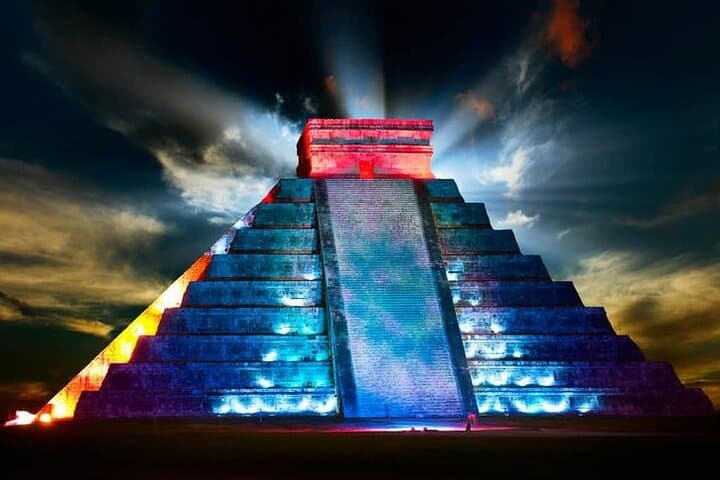
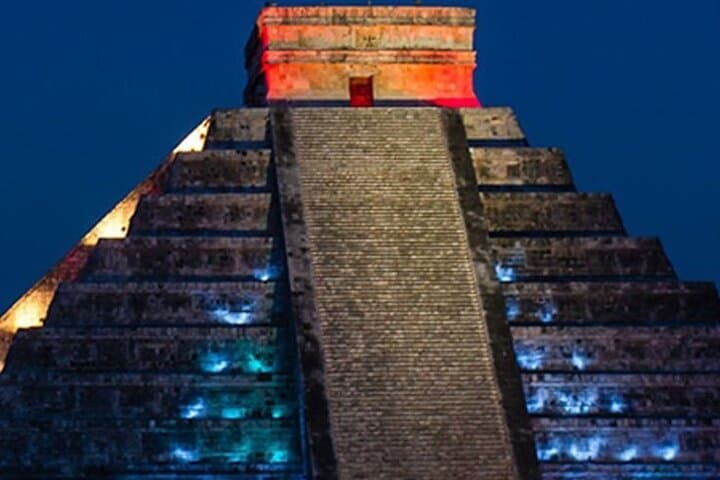
Spend a day between sinkholes and stone: swim in Cenote Hubikú, stroll Valladolid’s colonial streets, and finish beneath the illuminated Kukulcán pyramid at Chichén Itzá. This long but manageable day blends geology, Mayan history and a memorable light-and-sound finale.
Spend a day between sinkholes and stone: swim in Cenote Hubikú, stroll Valladolid’s colonial streets, and finish beneath the illuminated Kukulcán pyramid at Chichén Itzá. This long but manageable day blends geology, Mayan history and a memorable light-and-sound finale.
You arrive as twilight scrapes the limestone plain; the shadow of El Castillo stretches long across a plaza that has held ceremonies for a thousand years. Earlier in the day you slipped into the cool, clear bowl of Cenote Hubikú, its water pushing back gently at your skin while roots and stalactites framed the opening like a natural cathedral.
Verified experiences and guided adventures in the surrounding area.
Operated by Conoce Lo Tuyo - Know Thy World · Pisté, Yucatán
You arrive as twilight scrapes the limestone plain; the shadow of El Castillo stretches long across a plaza that has held ceremonies for a thousand years. Earlier in the day you slipped into the cool, clear bowl of Cenote Hubikú, its water pushing back gently at your skin while roots and stalactites framed the opening like a natural cathedral.
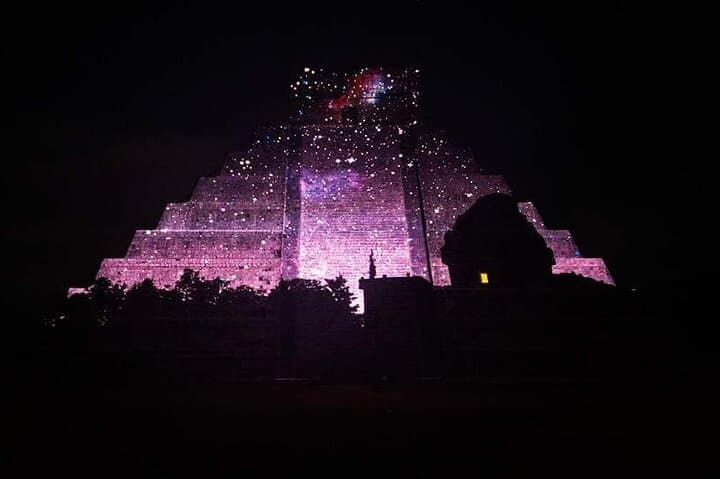
This full-day loop threads Yucatán’s layered story: cenotes formed where groundwater carved through porous limestone, colonial Valladolid (founded in 1543) with its pastel facades and convent courtyards, and the seismic cultural resonance of Chichén Itzá — the Kukulcán pyramid aligned to solar cycles and Mayan cosmology. The evening sound-and-light production projects history onto stone, translating glyphs and architecture into narrated scenes.
Practically, expect a long day — roughly 14–15 hours if booked from Cancún — with several short walks over flat, uneven surfaces rather than steep climbs. Bring a swimsuit and towel for Hubikú, biodegradable sunscreen (rinse before entering cenotes), a headlamp or phone light for stairways, and a light jacket for the cooler, breezy night at the archaeological site. Hydration is essential; bottled water is usually provided on tours, but carry an extra refillable bottle.
Photography is allowed but be mindful of lighting restrictions during the show. Local guides usually include a bilingual narration and a tequila museum tasting; tip guides where service is good. The experience balances natural refreshment, colonial charm, and a theatrical finish beneath the pyramid’s carved stones.
easy.
14–15 hours.
Suitable for most fitness levels; requires stamina for a long day of walking and standing but no technical exertion.
Expect about 14–15 hours total for a round-trip from Cancún; exact duration depends on pickup location and traffic.
Yes—entry to Cenote Hubikú is included and swimming is allowed; life jackets are typically provided for safety.
A regional buffet lunch and a tequila museum tasting are included as described in the itinerary.
Yes, though the show runs late and involves narration and dramatic lighting; infant seating rules and tour age policies vary so check with your operator.
Chichén Itzá grew into a major Postclassic Maya center; El Castillo encodes solar events and calendrical knowledge in its architecture.
Cenotes and archaeological sites face pressure from tourism—use biodegradable products, avoid touching formations, and follow site rules to reduce impact.
Conoce Lo Tuyo - Know Thy World operates guided outdoor trips and adventures with an emphasis on safety, stewardship, and memorable experiences.
You arrive as twilight scrapes the limestone plain; the shadow of El Castillo stretches long across a plaza that has held ceremonies for a thousand years. Earlier in the day you slipped into the cool, clear bowl of Cenote Hubikú, its water pushing back gently at your skin while roots and stalactites framed the opening like a natural cathedral.
You arrive as twilight scrapes the limestone plain; the shadow of El Castillo stretches long across a plaza that has held ceremonies for a thousand years. Earlier in the day you slipped into the cool, clear bowl of Cenote Hubikú, its water pushing back gently at your skin while roots and stalactites framed the opening like a natural cathedral.
This full-day loop threads Yucatán’s layered story: cenotes formed where groundwater carved through porous limestone, colonial Valladolid (founded in 1543) with its pastel facades and convent courtyards, and the seismic cultural resonance of Chichén Itzá — the Kukulcán pyramid aligned to solar cycles and Mayan cosmology. The evening sound-and-light production projects history onto stone, translating glyphs and architecture into narrated scenes.
Practically, expect a long day — roughly 14–15 hours if booked from Cancún — with several short walks over flat, uneven surfaces rather than steep climbs. Bring a swimsuit and towel for Hubikú, biodegradable sunscreen (rinse before entering cenotes), a headlamp or phone light for stairways, and a light jacket for the cooler, breezy night at the archaeological site. Hydration is essential; bottled water is usually provided on tours, but carry an extra refillable bottle.
Photography is allowed but be mindful of lighting restrictions during the show. Local guides usually include a bilingual narration and a tequila museum tasting; tip guides where service is good. The experience balances natural refreshment, colonial charm, and a theatrical finish beneath the pyramid’s carved stones.