THE ADVENTURE COLLECTIVE® · Independent discovery and booking for outdoor travel

Discover Kuelap’s ancient stone citadel, bathe in the spray beneath Gocta’s towering falls and explore cliffside sarcophagi on a concise five-day circuit from Chachapoyas. This trip pairs easy-to-moderate hikes with cultural insights and guided transfers.
Discover Kuelap’s ancient stone citadel, bathe in the spray beneath Gocta’s towering falls and explore cliffside sarcophagi on a concise five-day circuit from Chachapoyas. This trip pairs easy-to-moderate hikes with cultural insights and guided transfers.
A low mist lifts off the cloud forest as your minivan threads a narrow Andean road toward Chachapoyas. Bright orchids cling to mossy trunks and the valley yawns below—this is the terrain of the Chachapoyas, the “cloud people.” Over five days you move from mountain town to cable car, from fortified stone walls to a thunderous waterfall that drops over 700 meters.
Verified experiences and guided adventures in the surrounding area.
Operated by MachuPicchu.Center · Chachapoyas, Amazonas
A low mist lifts off the cloud forest as your minivan threads a narrow Andean road toward Chachapoyas. Bright orchids cling to mossy trunks and the valley yawns below—this is the terrain of the Chachapoyas, the “cloud people.” Over five days you move from mountain town to cable car, from fortified stone walls to a thunderous waterfall that drops over 700 meters.
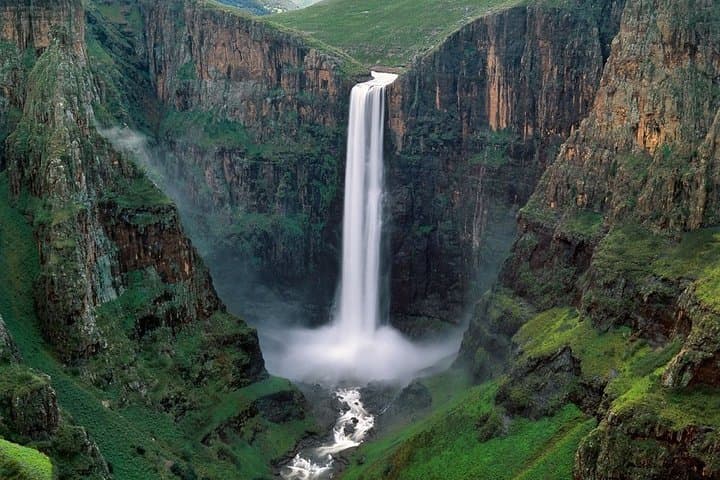
Kuelap’s stone ring—built by the Chachapoya culture between the 6th and 16th centuries—sits high on a limestone ridge. Its massive walls and circular houses show a community skilled in masonry and defensive planning. Nearby Karajia presents ceramic sarcophagi perched on cliff faces, a funerary practice unlike much of coastal Peru. Gocta, at roughly 771 meters of vertical drop, is fed by cloud-forest streams carved into dramatic limestone and sandstone strata.
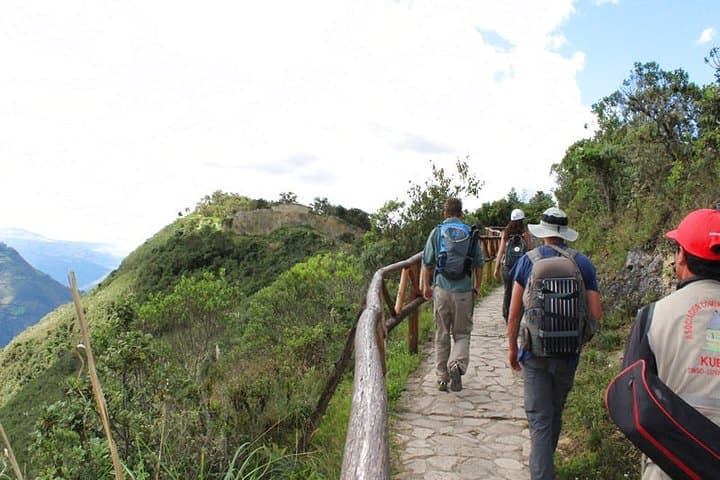
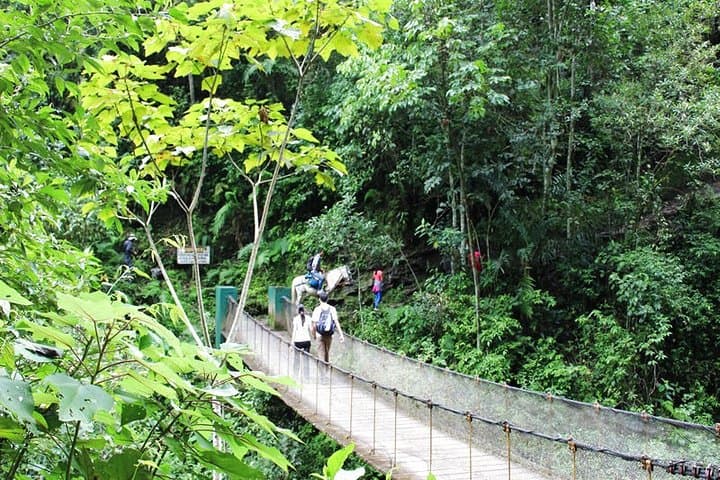
Expect short, steep walks: a 1 km approach to Kuelap, a 2-hour hike or horse ride to Gocta’s second cataract, and a guided 90-minute cavern visit at Quiocta. Weather shifts fast—fog, sun and sudden rain are normal. Local guides translate cultural context into tangible scenes: how stone, water and elevation shaped livelihoods here.
Practical notes: bring layered rain protection, sturdy shoes with grip, and insect repellent. Allow time for slow climbs and frequent photo stops—the altitude is mild but persistent. Bookings typically include local transfers, cable car to Kuelap, bilingual guides, most admissions and three meals; carry cash for souvenirs and extra snacks.
This itinerary is compact but balanced: archaeology, a grand waterfall, cave geology and cliffside burial art all within a cloud-forest corridor that invites slow exploration.
moderate.
5 days.
Suitable for travelers with basic fitness—able to walk 1–3 hours on uneven terrain and negotiate short steep sections.
Both are short to moderate: Kuelap requires a 1 km uphill walk from the access area and Gocta’s trail to the second fall is roughly 2 hours roundtrip; trails are uneven but not technical.
Yes—the itinerary includes the Kuelap cable car for ascent and return transfers as part of the package.
There are natural pools near the lower cascades where locals bathe; water is cold and currents can be strong—swimming is at your own risk and weather-dependent.
Domestic carriers fly Lima–Jaén; book early and allow buffer time for transfers—this itinerary assumes a morning arrival into Jaén to connect onward to Chachapoyas.
The Chachapoya culture occupied this cloud-forest corridor for centuries; their stone architecture and cliffside sarcophagi reflect complex social and funerary traditions distinct from coastal Andean societies.
The cloud forest is ecologically sensitive—stay on marked trails, avoid single-use plastics, and support local guides and community-run conservation efforts to reduce visitor impact.
MachuPicchu.Center operates guided outdoor trips and adventures with an emphasis on safety, stewardship, and memorable experiences.
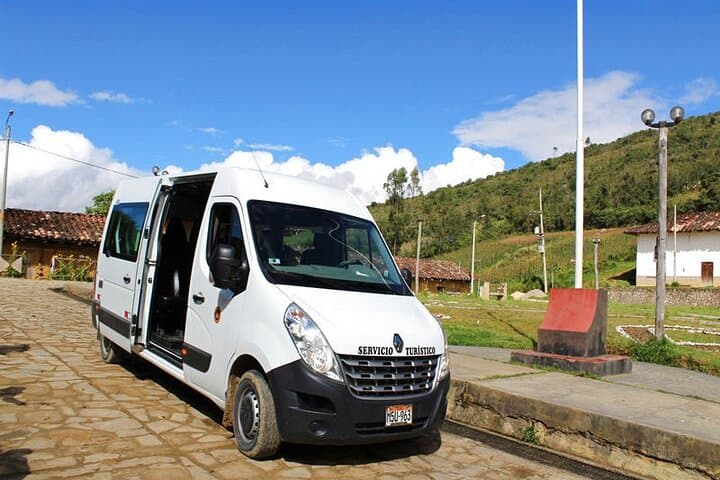
A low mist lifts off the cloud forest as your minivan threads a narrow Andean road toward Chachapoyas. Bright orchids cling to mossy trunks and the valley yawns below—this is the terrain of the Chachapoyas, the “cloud people.” Over five days you move from mountain town to cable car, from fortified stone walls to a thunderous waterfall that drops over 700 meters.
A low mist lifts off the cloud forest as your minivan threads a narrow Andean road toward Chachapoyas. Bright orchids cling to mossy trunks and the valley yawns below—this is the terrain of the Chachapoyas, the “cloud people.” Over five days you move from mountain town to cable car, from fortified stone walls to a thunderous waterfall that drops over 700 meters.
Kuelap’s stone ring—built by the Chachapoya culture between the 6th and 16th centuries—sits high on a limestone ridge. Its massive walls and circular houses show a community skilled in masonry and defensive planning. Nearby Karajia presents ceramic sarcophagi perched on cliff faces, a funerary practice unlike much of coastal Peru. Gocta, at roughly 771 meters of vertical drop, is fed by cloud-forest streams carved into dramatic limestone and sandstone strata.
Expect short, steep walks: a 1 km approach to Kuelap, a 2-hour hike or horse ride to Gocta’s second cataract, and a guided 90-minute cavern visit at Quiocta. Weather shifts fast—fog, sun and sudden rain are normal. Local guides translate cultural context into tangible scenes: how stone, water and elevation shaped livelihoods here.
Practical notes: bring layered rain protection, sturdy shoes with grip, and insect repellent. Allow time for slow climbs and frequent photo stops—the altitude is mild but persistent. Bookings typically include local transfers, cable car to Kuelap, bilingual guides, most admissions and three meals; carry cash for souvenirs and extra snacks.
This itinerary is compact but balanced: archaeology, a grand waterfall, cave geology and cliffside burial art all within a cloud-forest corridor that invites slow exploration.