THE ADVENTURE COLLECTIVE® · Independent discovery and booking for outdoor travel

Glide mangrove channels from Kuching at sunset to watch proboscis monkeys, search for Irrawaddy dolphins and finish beneath a canopy of fireflies. This private, 4–5 hour tour pairs easy cruising with rich wildlife viewing and strong local context.
Glide mangrove channels from Kuching at sunset to watch proboscis monkeys, search for Irrawaddy dolphins and finish beneath a canopy of fireflies. This private, 4–5 hour tour pairs easy cruising with rich wildlife viewing and strong local context.
The boat slips away from Kuching's riverbank as late afternoon light gilds mangrove prop roots. Salt air and the hush of water set the pace; a guide scans the horizon and birds wheel, while mangrove trees lean like watchful hosts over narrow channels. You move slowly through root-riddled channels, eyes tracking the bank for long-nosed proboscis monkeys, quick macaques and the ghostly dorsal breaks of Irrawaddy dolphins in the estuary.
Verified experiences and guided adventures in the surrounding area.
Operated by AJ Borneo Tours & Travels · Kuching, Sarawak
The boat slips away from Kuching's riverbank as late afternoon light gilds mangrove prop roots. Salt air and the hush of water set the pace; a guide scans the horizon and birds wheel, while mangrove trees lean like watchful hosts over narrow channels. You move slowly through root-riddled channels, eyes tracking the bank for long-nosed proboscis monkeys, quick macaques and the ghostly dorsal breaks of Irrawaddy dolphins in the estuary.
The shoreline here records centuries of human and natural history: traditional fishing villages, the Brooke-era growth of Kuching, and mangroves that formed on ancient tidal flats built from Sarawak’s red-brown sediments. Geology and tidal ecology conspire to create nurseries for fish and crustaceans; culturally the river remains central to local Malay and indigenous communities who still harvest and navigate these waters.
Wildlife viewing is the core draw — dolphins, saltwater crocodiles seen from a safe distance, and resident birdlife — followed by a twilight leg where fireflies light mangrove stems in rhythmic pulses when conditions are right. The trip is intimate and low-impact: private boats, life jackets provided, and short transits between viewing spots.
Practical guidance: bring binoculars, insect repellent, and a waterproof daypack; dress in quick-dry layers and a light rain jacket during wet months. Expect minimal walking; the experience relies on patience and quiet. Timing around high tide and sunset improves dolphin and firefly chances. Respect local rules: no feeding wildlife and keep noise low to avoid disturbing nocturnal displays.
easy.
4–5 hours.
Suitable for most fitness levels; primarily seated on boat with short, optional shoreline stops.
Sightings are possible in the estuary but not guaranteed; calm seas, season and tide improve chances—private boat access increases flexibility to look in prime areas.
No—firefly viewing depends on weather and water conditions; warm, calm evenings after dusk offer the best displays.
Yes—tours are family-friendly with infant seats available and life jackets provided, but be mindful of insect exposure and motion for very young children.
Wear quick-dry clothing, closed-toe shoes or sandals with grip, bring layers for cooler evenings and secure belongings against spray; expect limited walking.
Mangrove channels around Kuching have long supported riverine communities and fisheries; Kuching’s growth under the Brooke Raj linked river trade to wider colonial-era development.
Mangroves here are vulnerable to coastal development and pollution; choose operators that follow no-feed policies and minimize wake to protect banks and wildlife.
AJ Borneo Tours & Travels operates guided outdoor trips and adventures with an emphasis on safety, stewardship, and memorable experiences.
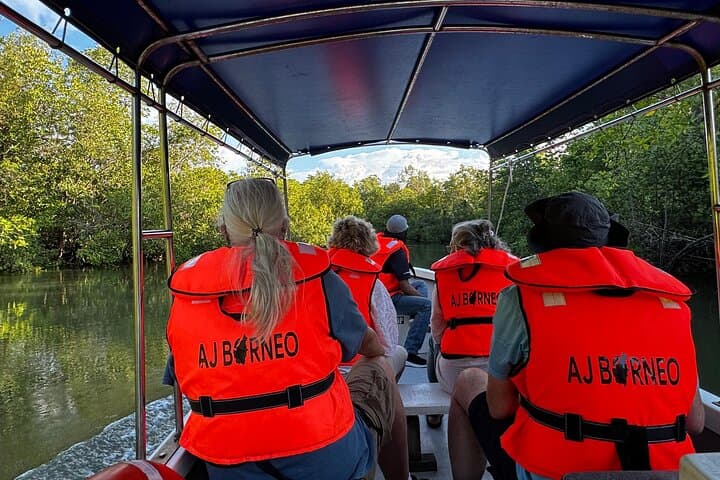
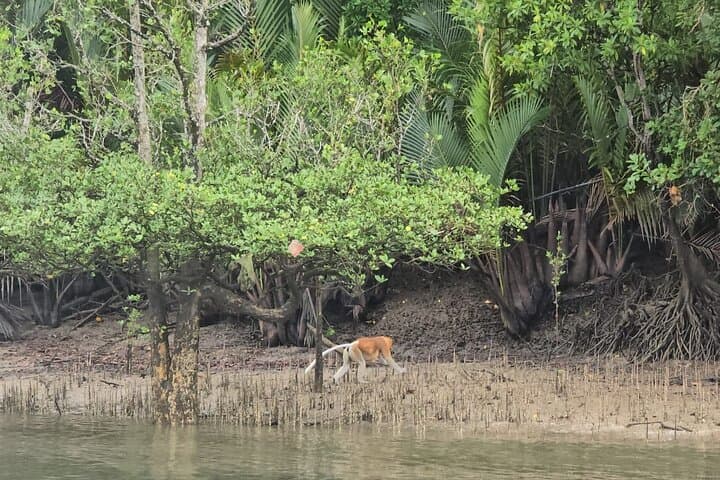
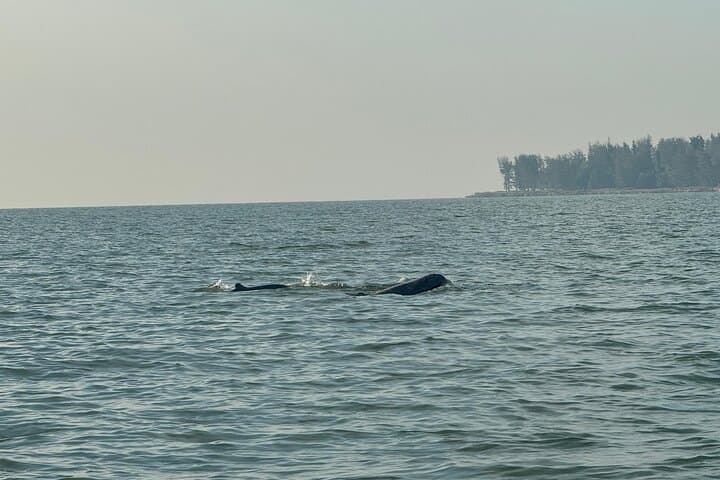
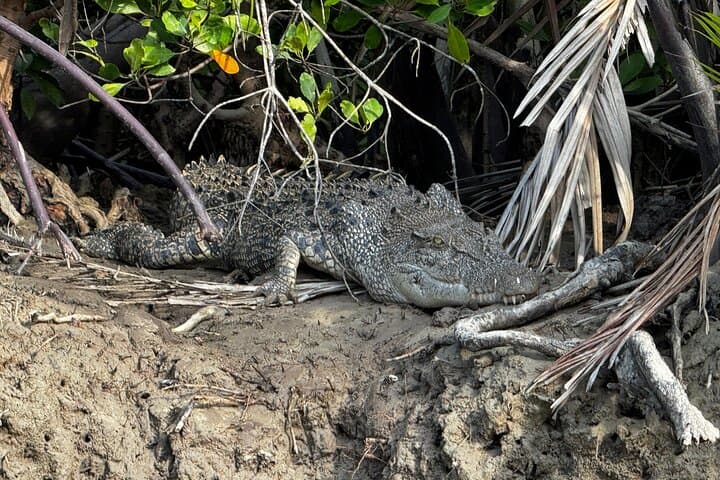
The boat slips away from Kuching's riverbank as late afternoon light gilds mangrove prop roots. Salt air and the hush of water set the pace; a guide scans the horizon and birds wheel, while mangrove trees lean like watchful hosts over narrow channels. You move slowly through root-riddled channels, eyes tracking the bank for long-nosed proboscis monkeys, quick macaques and the ghostly dorsal breaks of Irrawaddy dolphins in the estuary.
The boat slips away from Kuching's riverbank as late afternoon light gilds mangrove prop roots. Salt air and the hush of water set the pace; a guide scans the horizon and birds wheel, while mangrove trees lean like watchful hosts over narrow channels. You move slowly through root-riddled channels, eyes tracking the bank for long-nosed proboscis monkeys, quick macaques and the ghostly dorsal breaks of Irrawaddy dolphins in the estuary.
The shoreline here records centuries of human and natural history: traditional fishing villages, the Brooke-era growth of Kuching, and mangroves that formed on ancient tidal flats built from Sarawak’s red-brown sediments. Geology and tidal ecology conspire to create nurseries for fish and crustaceans; culturally the river remains central to local Malay and indigenous communities who still harvest and navigate these waters.
Wildlife viewing is the core draw — dolphins, saltwater crocodiles seen from a safe distance, and resident birdlife — followed by a twilight leg where fireflies light mangrove stems in rhythmic pulses when conditions are right. The trip is intimate and low-impact: private boats, life jackets provided, and short transits between viewing spots.
Practical guidance: bring binoculars, insect repellent, and a waterproof daypack; dress in quick-dry layers and a light rain jacket during wet months. Expect minimal walking; the experience relies on patience and quiet. Timing around high tide and sunset improves dolphin and firefly chances. Respect local rules: no feeding wildlife and keep noise low to avoid disturbing nocturnal displays.