THE ADVENTURE COLLECTIVE® · Independent discovery and booking for outdoor travel

Explore Kuala Lumpur’s night hawker centers with a local guide and taste Chinese, Malay and Indian specialties at hole-in-the-wall stalls. This four-hour walking tour mixes history, culture and practical food tips to help you eat like a local.
Explore Kuala Lumpur’s night hawker centers with a local guide and taste Chinese, Malay and Indian specialties at hole-in-the-wall stalls. This four-hour walking tour mixes history, culture and practical food tips to help you eat like a local.
Night in Kuala Lumpur arrives like a flavor thermostat being turned up: neon signs blink, woks hiss, and steam rises from banana-leaf parcels carried past motorbikes. An evening hawker tour threads through crowded alleys where smells—charred sugar, coconut, chili—announce one stall and send curious crowds to the next.
Verified experiences and guided adventures in the surrounding area.
Operated by Food Tour Malaysia · Kuala Lumpur, Federal Territory of Kuala Lumpur
Night in Kuala Lumpur arrives like a flavor thermostat being turned up: neon signs blink, woks hiss, and steam rises from banana-leaf parcels carried past motorbikes. An evening hawker tour threads through crowded alleys where smells—charred sugar, coconut, chili—announce one stall and send curious crowds to the next.
The city's eating culture grew alongside its 19th-century tin trade on the Klang River, brought to life by Chinese, Malay and Indian migrants who adapted ingredients and techniques. The geology of the Klang basin and nearby hills concentrated trade routes here, which in turn concentrated cooks and entrepreneurs. Hawker centers are cultural cross-sections: curry’s warmth, noodle shops’ quick precision, and Malay grills that favor fire and depth.
On a guided night tour, an experienced local host opens doors to hole-in-the-wall stalls, explains origin stories for dishes, and points out the small techniques—prawns tossed at speed, sambal balanced just-so—that separate good from great. Expect to stand, to share tables, and to learn why certain bites mean home to different communities.
Practical guidance: come hungry and wear breathable clothes—the heat and crowds are real. Inform the guide of dietary restrictions in advance; this particular tour is non-halal. Carry small bills for purchases, bring wet wipes and hand sanitizer, and time the route to start after 7pm to avoid earlier service rushes. Rain is frequent; a lightweight rain jacket keeps the evening moving. This tour is ideal for curious eaters wanting an efficient, flavorful orientation to Malaysia’s layered street-food scene.
easy.
3–4 hours.
Suitable for most fitness levels; involves standing, short walks and navigating crowded alleys.
Some stops can be adapted but the tour focuses on mixed cuisine; notify dietary requirements at booking so the guide can plan vegetarian-friendly tastings.
Tastings include non-alcoholic drinks; alcohol is generally not part of hawker-center menus and this specific tour lists non-alcoholic inclusions.
Expect dense crowds and shared seating, especially after 8pm; the guide steers you to efficient routes to minimize wait times.
Many areas are accessible but some stalls and alleys are narrow; the operator notes wheelchair accessibility but check specific meeting-point details beforehand.
Kuala Lumpur’s hawker scene grew from 19th-century migrant communities and the tin trade along the Klang River; dishes reflect Chinese, Malay and Indian culinary exchange.
Street-food culture produces significant single-use waste; bring reusable cutlery where possible and dispose of trash at provided bins to support local clean-up efforts.
Food Tour Malaysia operates guided outdoor trips and adventures with an emphasis on safety, stewardship, and memorable experiences.
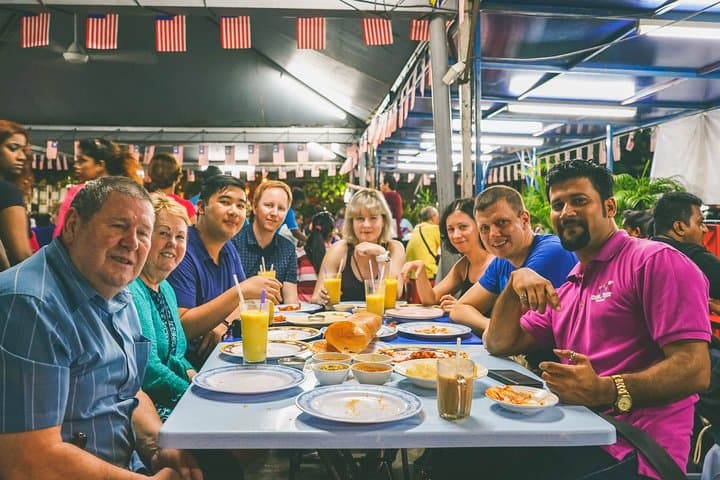
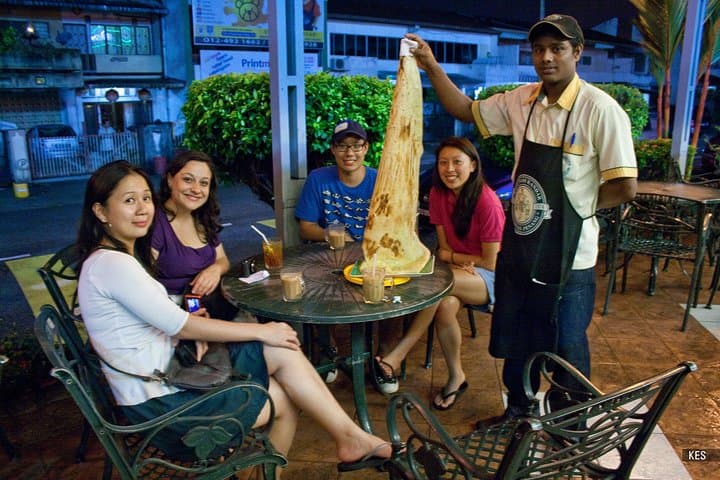
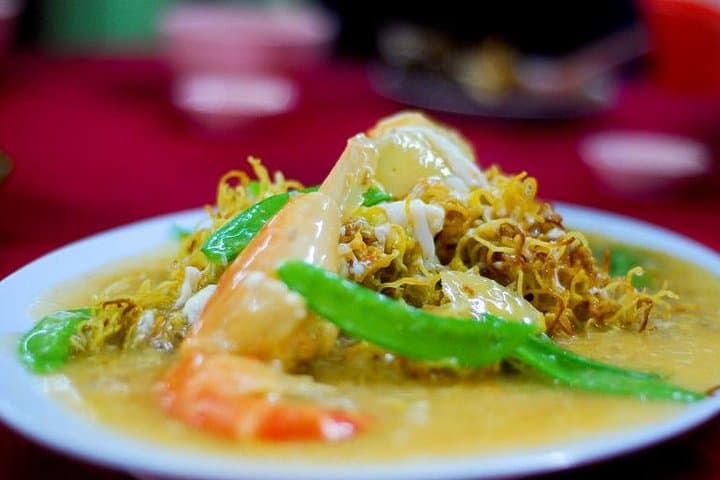
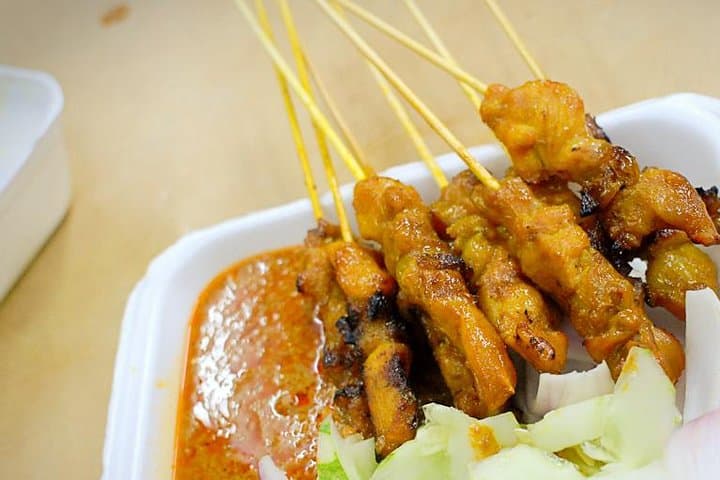
Night in Kuala Lumpur arrives like a flavor thermostat being turned up: neon signs blink, woks hiss, and steam rises from banana-leaf parcels carried past motorbikes. An evening hawker tour threads through crowded alleys where smells—charred sugar, coconut, chili—announce one stall and send curious crowds to the next.
Night in Kuala Lumpur arrives like a flavor thermostat being turned up: neon signs blink, woks hiss, and steam rises from banana-leaf parcels carried past motorbikes. An evening hawker tour threads through crowded alleys where smells—charred sugar, coconut, chili—announce one stall and send curious crowds to the next.
The city's eating culture grew alongside its 19th-century tin trade on the Klang River, brought to life by Chinese, Malay and Indian migrants who adapted ingredients and techniques. The geology of the Klang basin and nearby hills concentrated trade routes here, which in turn concentrated cooks and entrepreneurs. Hawker centers are cultural cross-sections: curry’s warmth, noodle shops’ quick precision, and Malay grills that favor fire and depth.
On a guided night tour, an experienced local host opens doors to hole-in-the-wall stalls, explains origin stories for dishes, and points out the small techniques—prawns tossed at speed, sambal balanced just-so—that separate good from great. Expect to stand, to share tables, and to learn why certain bites mean home to different communities.
Practical guidance: come hungry and wear breathable clothes—the heat and crowds are real. Inform the guide of dietary restrictions in advance; this particular tour is non-halal. Carry small bills for purchases, bring wet wipes and hand sanitizer, and time the route to start after 7pm to avoid earlier service rushes. Rain is frequent; a lightweight rain jacket keeps the evening moving. This tour is ideal for curious eaters wanting an efficient, flavorful orientation to Malaysia’s layered street-food scene.