THE ADVENTURE COLLECTIVE® · Independent discovery and booking for outdoor travel

Walk Petaling Street and Central Market with a local host to taste Kuala Lumpur’s Chinese-influenced street food. This 3.5-hour tour blends history, food stops and cultural notes with practical tips for first-time visitors.
Walk Petaling Street and Central Market with a local host to taste Kuala Lumpur’s Chinese-influenced street food. This 3.5-hour tour blends history, food stops and cultural notes with practical tips for first-time visitors.
You step off the shaded arcade and into a lane where steam rises from woks and the air smells of soy, coconut and toasted peanuts. Petaling Street hums with bargaining voices, sizzling pans and vendors calling out signature dishes — this three-and-a-half-hour walking tour threads those sensory moments into a clear route through Chinatown.
Verified experiences and guided adventures in the surrounding area.
Operated by Asia Advisor by Asni · Kuala Lumpur, Wilayah Persekutuan Kuala Lumpur
You step off the shaded arcade and into a lane where steam rises from woks and the air smells of soy, coconut and toasted peanuts. Petaling Street hums with bargaining voices, sizzling pans and vendors calling out signature dishes — this three-and-a-half-hour walking tour threads those sensory moments into a clear route through Chinatown.
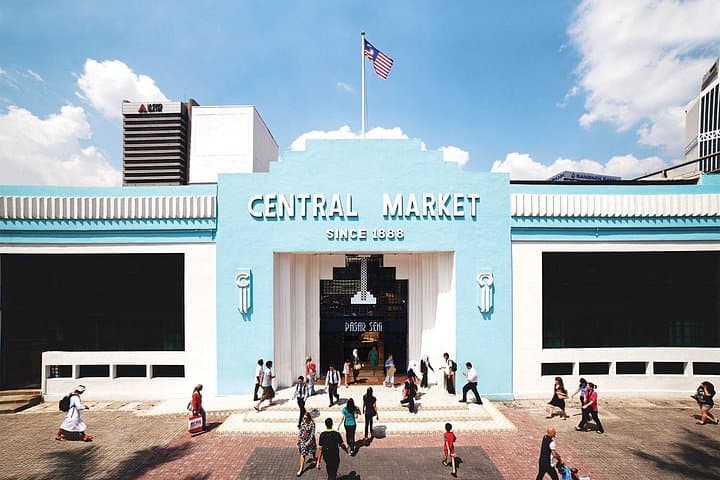
Begin at Central Market (Pasar Seni), a colonial-era market that grew from Kuala Lumpur’s early trading posts. The area's story is tied to the tin-boom towns of the 19th century; streets that once served merchants now host hawker stalls and kopitiams. The architecture alternates between shophouses with pressed tin facades and modern glass, while the soil beneath hints at the alluvial flats that made the city a mining hub.
Culturally the route is Chinese-Malaysian at its core, but it’s mixed — Malay and Indian influences show up in spices, snack forms and ritual practices. Expect stops for char kuey teow, wantan mee, rojak and cendol, plus a visit to a small Hindu shrine where shoes must be left at the entrance.
Practical guidance: this is urban walking—roughly 2–3 km over uneven sidewalks and occasional alleys—so wear closed, comfortable shoes and carry a refillable water bottle. Bring small denominations of cash for street vendors and alert the guide to dietary restrictions when booking. An umbrella or lightweight rain jacket is useful during sudden tropical showers. Pace yourself: tastings are generous but meant to be sampled across the route.
easy.
3–4 hours.
Suitable for most fitness levels; expect 2–3 km of walking with frequent food stops and short standing periods.
Yes—advise the operator at booking; guides can route you to halal, vegetarian or less-spicy options when possible.
Yes—infants must sit on an adult’s lap; pacing and food choices can be adapted for families.
Expect about 2–3 km on city sidewalks and alleys; most of the route is stroller- and wheelchair-friendly but can have steps at some heritage buildings.
Tipping is appreciated for good service; small tips for the guide and direct payment to vendors are common but not mandatory.
Chinatown grew from 19th-century Chinese immigrant communities tied to tin mining and trade; Central Market later became a civic hub preserving crafts and foodways.
Reduce plastic waste by using refillable bottles and decline single-use utensils; support licensed vendors and avoid overcrowding fragile shopfronts.
Asia Advisor by Asni operates guided outdoor trips and adventures with an emphasis on safety, stewardship, and memorable experiences.
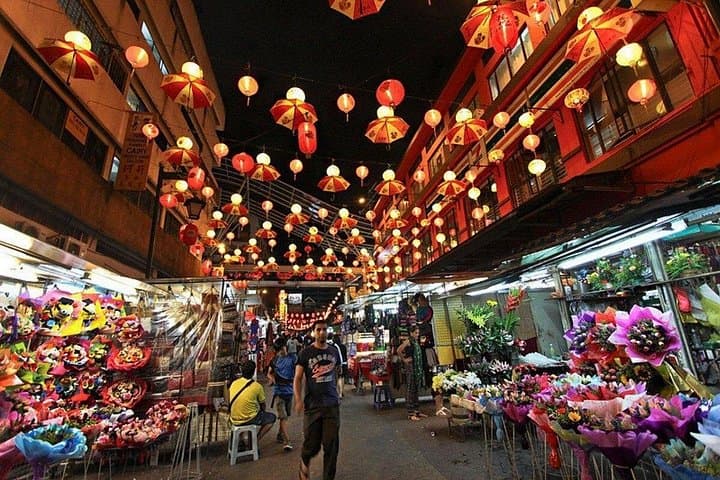
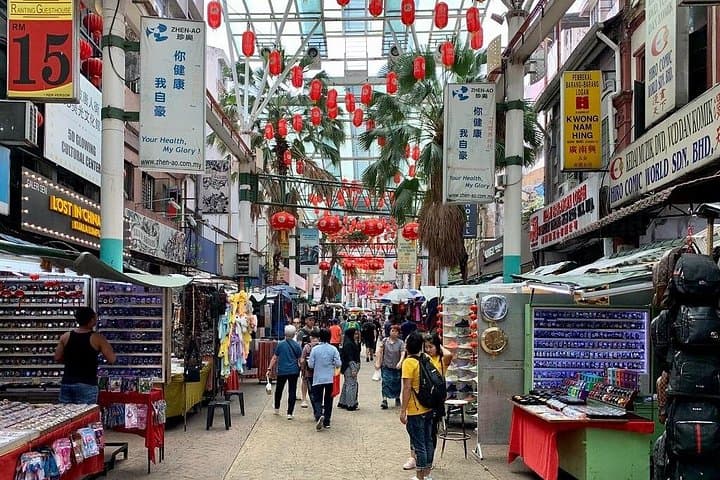
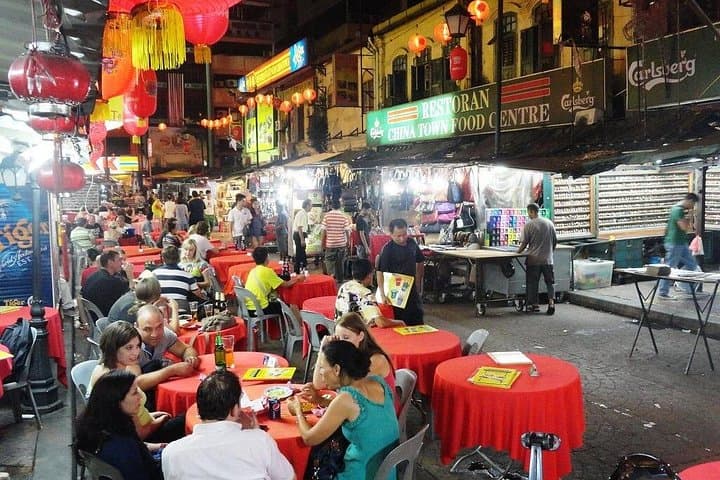
You step off the shaded arcade and into a lane where steam rises from woks and the air smells of soy, coconut and toasted peanuts. Petaling Street hums with bargaining voices, sizzling pans and vendors calling out signature dishes — this three-and-a-half-hour walking tour threads those sensory moments into a clear route through Chinatown.
You step off the shaded arcade and into a lane where steam rises from woks and the air smells of soy, coconut and toasted peanuts. Petaling Street hums with bargaining voices, sizzling pans and vendors calling out signature dishes — this three-and-a-half-hour walking tour threads those sensory moments into a clear route through Chinatown.
Begin at Central Market (Pasar Seni), a colonial-era market that grew from Kuala Lumpur’s early trading posts. The area's story is tied to the tin-boom towns of the 19th century; streets that once served merchants now host hawker stalls and kopitiams. The architecture alternates between shophouses with pressed tin facades and modern glass, while the soil beneath hints at the alluvial flats that made the city a mining hub.
Culturally the route is Chinese-Malaysian at its core, but it’s mixed — Malay and Indian influences show up in spices, snack forms and ritual practices. Expect stops for char kuey teow, wantan mee, rojak and cendol, plus a visit to a small Hindu shrine where shoes must be left at the entrance.
Practical guidance: this is urban walking—roughly 2–3 km over uneven sidewalks and occasional alleys—so wear closed, comfortable shoes and carry a refillable water bottle. Bring small denominations of cash for street vendors and alert the guide to dietary restrictions when booking. An umbrella or lightweight rain jacket is useful during sudden tropical showers. Pace yourself: tastings are generous but meant to be sampled across the route.