THE ADVENTURE COLLECTIVE® · Independent discovery and booking for outdoor travel

Climb the 272 steps to Temple Cave, watch pewtersmiths at Royal Selangor and see batik printing up close on a three‑hour cultural circuit outside Kuala Lumpur. This half‑day tour blends geology, Hindu shrine rituals, and traditional crafts with convenient hotel pickup.
Climb the 272 steps to Temple Cave, watch pewtersmiths at Royal Selangor and see batik printing up close on a three‑hour cultural circuit outside Kuala Lumpur. This half‑day tour blends geology, Hindu shrine rituals, and traditional crafts with convenient hotel pickup.
You step out of an air‑conditioned van onto sun‑warmed limestone, the smell of incense and frying oil mixing with humid air. Before you, the 42.7‑metre gold statue of Lord Murugan looms and a bright ribbon of 272 steps climbs into a cathedral‑high cave where worshippers and pigeons move through shafts of light.
Verified experiences and guided adventures in the surrounding area.
Operated by RIYAS TRAVEL MALAYSIA · Batu Caves, Selangor
You step out of an air‑conditioned van onto sun‑warmed limestone, the smell of incense and frying oil mixing with humid air. Before you, the 42.7‑metre gold statue of Lord Murugan looms and a bright ribbon of 272 steps climbs into a cathedral‑high cave where worshippers and pigeons move through shafts of light.
The Batu Caves complex sits on an ancient limestone outcrop north of Kuala Lumpur, formed over millions of years and hollowed into chambers used today as both religious shrines and a destination for rock climbers. The site’s modern identity grew with the 19th‑century Tamil community and the development of tin mining nearby; the Royal Selangor visitor centre ties in that industrial past through pewter craft and colonial trade stories. Batik makers nearby preserve hand‑printing techniques introduced and adapted across Malaysia since the 20th century.
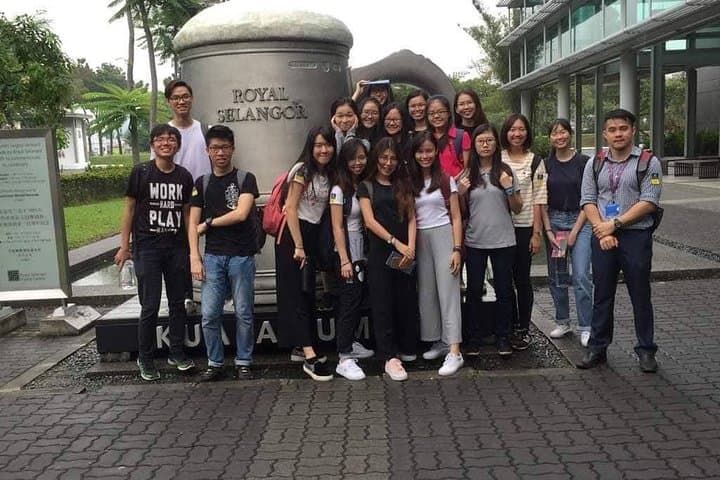
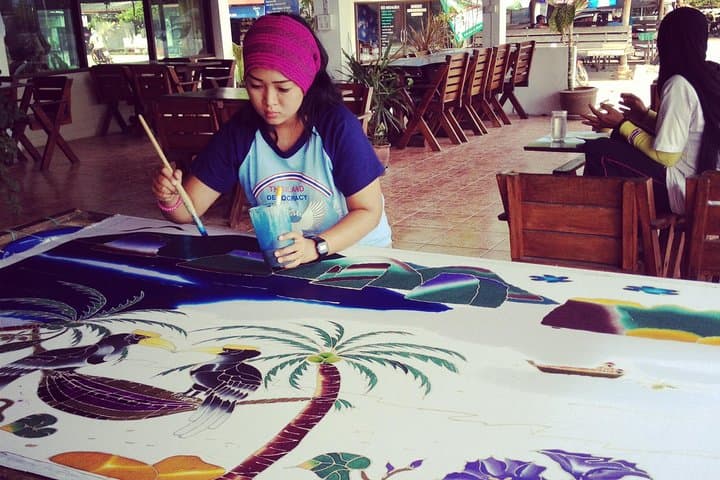
Expect a short cultural circuit: a guided look at Temple Cave and its steep ascent, a conservation‑oriented stop at the Dark Cave if available, a Royal Selangor pewtersmith demo, and a batik gallery visit. Monkeys are bold—don’t dangle snacks—and humid conditions favor breathable clothing. The climb is short but sweaty; plan water and a shaded hat.
Practicalities: the half‑day tour runs about three hours with hotel pickup, so mornings avoid the hottest, rainier afternoons. Carry cash for small purchases, wear grippy shoes for stairs and occasional limestone dust, and allow extra time if you want a Dark Cave tour or to browse handicraft stalls. This is a compact mix of geology, temple culture, and living craft—easy to access from central Kuala Lumpur yet full of tangible local detail.
easy.
3 hours.
Suitable for most fitness levels; able to climb a long staircase and walk on uneven ground.
The main Temple Cave climb is 272 concrete steps; most visitors take 10–20 minutes depending on stops and fitness.
Access to the Temple Cave is free; some attractions like the Dark Cave conservation tour and museum exhibits may have separate fees.
Children can join but the stairs are steep and there are many steps; strollers are generally not practical for the climb—plan to carry infants if needed.
You can visit, but expect very large crowds and closures of some access routes; check local event dates and allow extra time or opt for a quieter day.
Batu Caves has been a Hindu focal point for Kuala Lumpur’s Tamil community since the late 19th century; the towering Lord Murugan statue and annual Thaipusam pilgrimage are modern symbols of that heritage.
The Dark Cave is a protected site with limited guided tours to preserve its endemic species; avoid littering and don’t feed wildlife to reduce human impact.
RIYAS TRAVEL MALAYSIA operates guided outdoor trips and adventures with an emphasis on safety, stewardship, and memorable experiences.

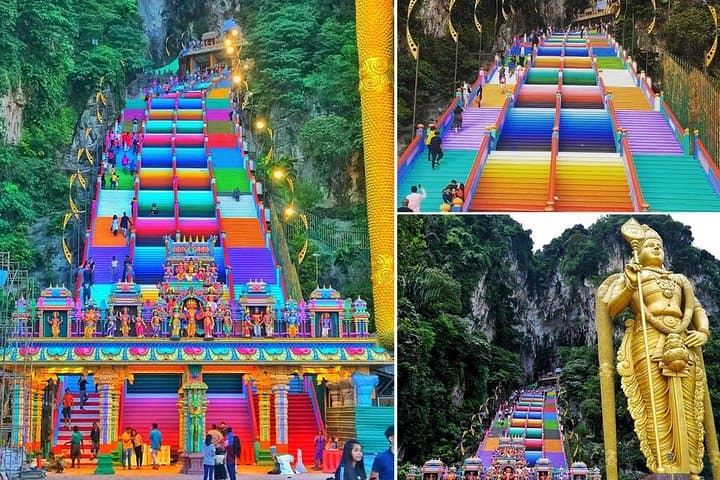
You step out of an air‑conditioned van onto sun‑warmed limestone, the smell of incense and frying oil mixing with humid air. Before you, the 42.7‑metre gold statue of Lord Murugan looms and a bright ribbon of 272 steps climbs into a cathedral‑high cave where worshippers and pigeons move through shafts of light.
You step out of an air‑conditioned van onto sun‑warmed limestone, the smell of incense and frying oil mixing with humid air. Before you, the 42.7‑metre gold statue of Lord Murugan looms and a bright ribbon of 272 steps climbs into a cathedral‑high cave where worshippers and pigeons move through shafts of light.
The Batu Caves complex sits on an ancient limestone outcrop north of Kuala Lumpur, formed over millions of years and hollowed into chambers used today as both religious shrines and a destination for rock climbers. The site’s modern identity grew with the 19th‑century Tamil community and the development of tin mining nearby; the Royal Selangor visitor centre ties in that industrial past through pewter craft and colonial trade stories. Batik makers nearby preserve hand‑printing techniques introduced and adapted across Malaysia since the 20th century.
Expect a short cultural circuit: a guided look at Temple Cave and its steep ascent, a conservation‑oriented stop at the Dark Cave if available, a Royal Selangor pewtersmith demo, and a batik gallery visit. Monkeys are bold—don’t dangle snacks—and humid conditions favor breathable clothing. The climb is short but sweaty; plan water and a shaded hat.
Practicalities: the half‑day tour runs about three hours with hotel pickup, so mornings avoid the hottest, rainier afternoons. Carry cash for small purchases, wear grippy shoes for stairs and occasional limestone dust, and allow extra time if you want a Dark Cave tour or to browse handicraft stalls. This is a compact mix of geology, temple culture, and living craft—easy to access from central Kuala Lumpur yet full of tangible local detail.