THE ADVENTURE COLLECTIVE® · Independent discovery and booking for outdoor travel

Get close to sloths, monkeys and rescued parrots on a 2-hour guided visit to the KSTR Re-Wilding Center in Manuel Antonio. Learn how long-term rehabilitation, wildlife bridges and reforestation projects keep animals safe while directly supporting local conservation.
Get close to sloths, monkeys and rescued parrots on a 2-hour guided visit to the KSTR Re-Wilding Center in Manuel Antonio. Learn how long-term rehabilitation, wildlife bridges and reforestation projects keep animals safe while directly supporting local conservation.
You step through a green gate and the rainforest presses close — leaves brushing, humidity lifting a slow, warm breath. Paths wind under a canopy where sloths hang like slow-moving thought and capuchin monkeys flick through the branches, their calls punctuating the air. The KSTR Re-Wilding Center in Manuel Antonio offers an intimate, guided walk through shaded enclosures and rehabilitative habitats where injured or unreleasable animals live and receive care.
Verified experiences and guided adventures in the surrounding area.
Operated by Kids Saving the Rain Forest · Manuel Antonio, Puntarenas
You step through a green gate and the rainforest presses close — leaves brushing, humidity lifting a slow, warm breath. Paths wind under a canopy where sloths hang like slow-moving thought and capuchin monkeys flick through the branches, their calls punctuating the air. The KSTR Re-Wilding Center in Manuel Antonio offers an intimate, guided walk through shaded enclosures and rehabilitative habitats where injured or unreleasable animals live and receive care.
The center has operated for more than two decades, growing alongside local reforestation and wildlife-bridge projects that reconnect canopy corridors fragmented by development. Geologically, Manuel Antonio sits on low coastal bluffs above the Central Pacific, where sedimentary soils and steep drainages feed fast, seasonal streams — conditions that shape dense tropical secondary forest rather than alpine vistas. Culture here is coastal and conservation-minded: local guides blend natural history with stories of rescue, rehabilitation and community outreach.
Practically, expect a 2-hour, easy-paced walking tour on compacted dirt and short inclines; shoes can get muddy in the rainy season. Guides explain sloth biology, primate behavior and the center’s wildlife hospital — admissions and snacks are included. Bring water, insect repellent and a lightweight rain layer; move quietly and your reward will be close-up views and learning how visits fund rehabilitation, reforestation and wildlife bridges.
The experience is both educational and immediate: you’re not watching wildlife from a distance, you’re learning the human side of conservation and the small, steady work that lets these animals keep a place in Costa Rica’s forest.
easy.
2 hours.
Light walking ability; suitable for most fitness levels and families.
The guided sanctuary tour lasts approximately 2 hours and includes admission and a snack.
No; animals at the center are unreleasable or undergoing rehabilitation and are not handled by visitors for their safety.
The center notes stroller access for infants; some paths have gentle inclines but full wheelchair access may be limited—check with the operator for accommodations.
Yes; tour fees contribute to the wildlife hospital, reforestation and community education projects run by the center.
KSTR has operated for over 20 years, expanding from rescue and rehab into reforestation and wildlife-bridge installation to reconnect fragmented canopy.
Visits fund the center’s wildlife hospital, nursery and habitat-restoration projects; stick to paths and follow guide instructions to minimize disturbance.
Kids Saving the Rain Forest operates guided outdoor trips and adventures with an emphasis on safety, stewardship, and memorable experiences.
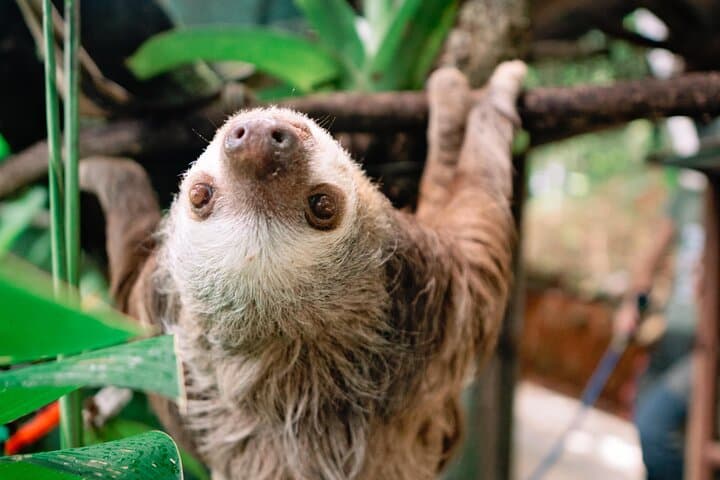
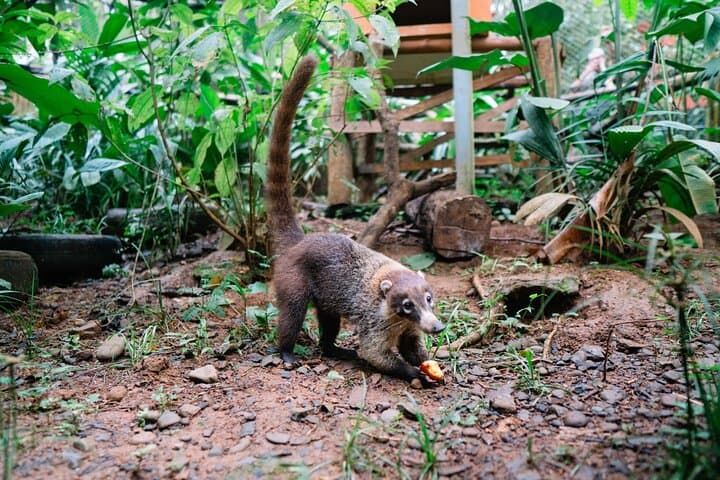
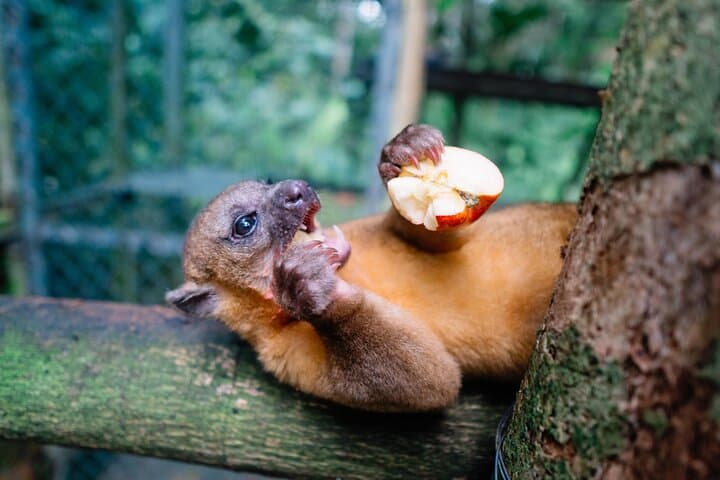
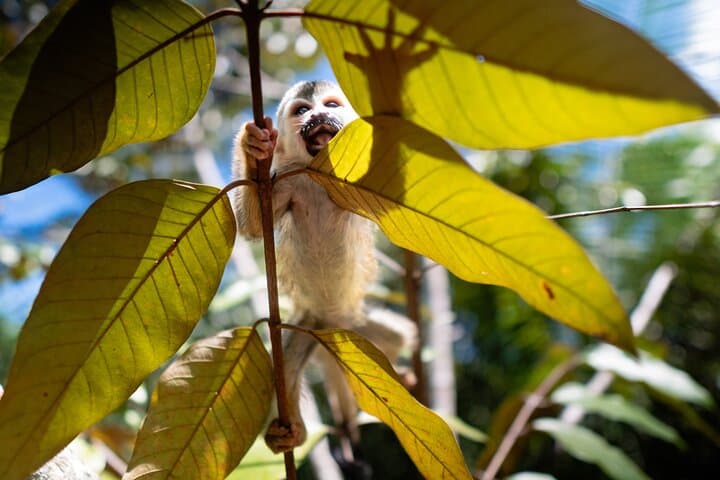
You step through a green gate and the rainforest presses close — leaves brushing, humidity lifting a slow, warm breath. Paths wind under a canopy where sloths hang like slow-moving thought and capuchin monkeys flick through the branches, their calls punctuating the air. The KSTR Re-Wilding Center in Manuel Antonio offers an intimate, guided walk through shaded enclosures and rehabilitative habitats where injured or unreleasable animals live and receive care.
You step through a green gate and the rainforest presses close — leaves brushing, humidity lifting a slow, warm breath. Paths wind under a canopy where sloths hang like slow-moving thought and capuchin monkeys flick through the branches, their calls punctuating the air. The KSTR Re-Wilding Center in Manuel Antonio offers an intimate, guided walk through shaded enclosures and rehabilitative habitats where injured or unreleasable animals live and receive care.
The center has operated for more than two decades, growing alongside local reforestation and wildlife-bridge projects that reconnect canopy corridors fragmented by development. Geologically, Manuel Antonio sits on low coastal bluffs above the Central Pacific, where sedimentary soils and steep drainages feed fast, seasonal streams — conditions that shape dense tropical secondary forest rather than alpine vistas. Culture here is coastal and conservation-minded: local guides blend natural history with stories of rescue, rehabilitation and community outreach.
Practically, expect a 2-hour, easy-paced walking tour on compacted dirt and short inclines; shoes can get muddy in the rainy season. Guides explain sloth biology, primate behavior and the center’s wildlife hospital — admissions and snacks are included. Bring water, insect repellent and a lightweight rain layer; move quietly and your reward will be close-up views and learning how visits fund rehabilitation, reforestation and wildlife bridges.
The experience is both educational and immediate: you’re not watching wildlife from a distance, you’re learning the human side of conservation and the small, steady work that lets these animals keep a place in Costa Rica’s forest.