THE ADVENTURE COLLECTIVE® · Independent discovery and booking for outdoor travel

Spend two days moving from Roman ruins and cave villages to a remote Sahara oasis—swim in a warm spring, ride camels or 4x4 across dunes, and sleep in a Berber tent under a brilliant star field. Practical tips and what to expect for this private overnight excursion.
Spend two days moving from Roman ruins and cave villages to a remote Sahara oasis—swim in a warm spring, ride camels or 4x4 across dunes, and sleep in a Berber tent under a brilliant star field. Practical tips and what to expect for this private overnight excursion.
The sun drops like a coin behind a ribbon of dunes and the camp at Ksar Ghilane wakes to a different light—cooler air, a crackling fire and a pool that steams faintly in the evening hush.
Verified experiences and guided adventures in the surrounding area.
Operated by Ôthentic Travel & Services · Douz, Kebili
The sun drops like a coin behind a ribbon of dunes and the camp at Ksar Ghilane wakes to a different light—cooler air, a crackling fire and a pool that steams faintly in the evening hush.
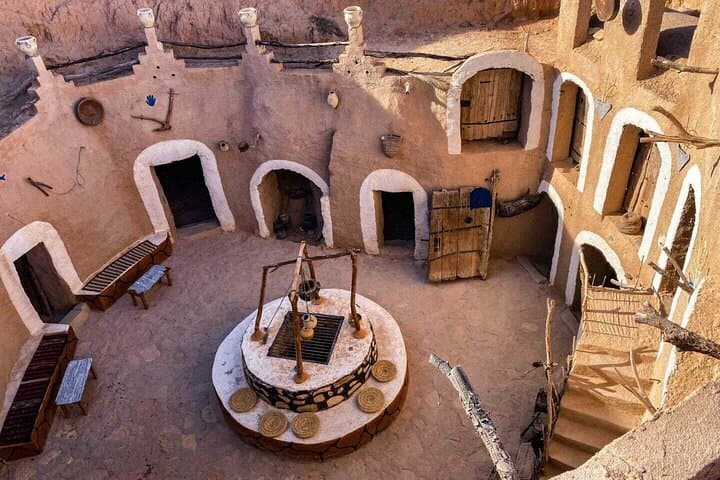
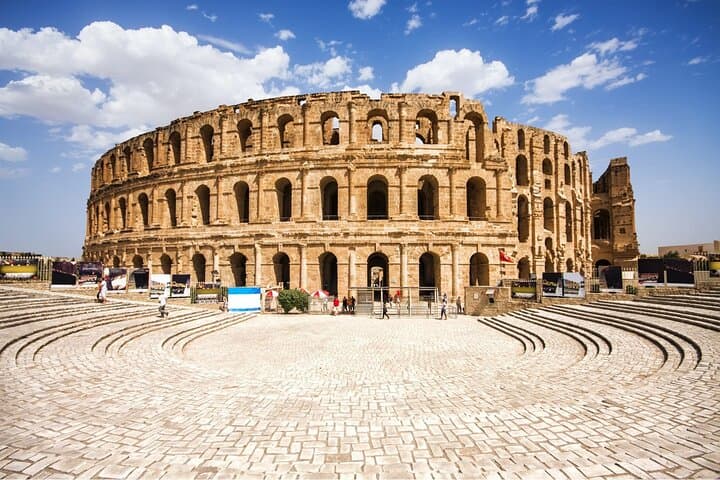
This two‑day, one‑night escape moves from coastal Sousse inland through El Jem’s vast third‑century amphitheatre and the troglodyte houses of Matmata, then into the wide Saharan bowl around Ksar Ghilane. Geologically the route walks the edge of the Sahara erg: wind‑sculpted sands, interdune oases fed by a shallow thermal spring, and flats of salt and gypsum toward Chott el Jerid. Culturally, you’ll see Roman masonry, traditional Berber cave villages and modern nomadic livelihoods woven into the desert’s rhythm.
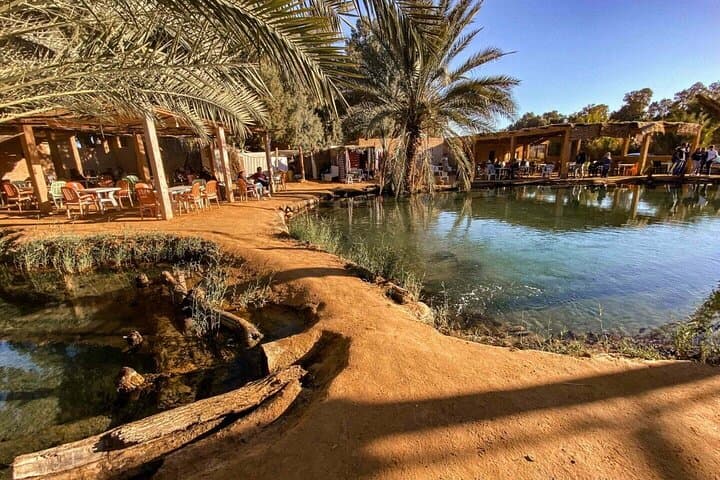
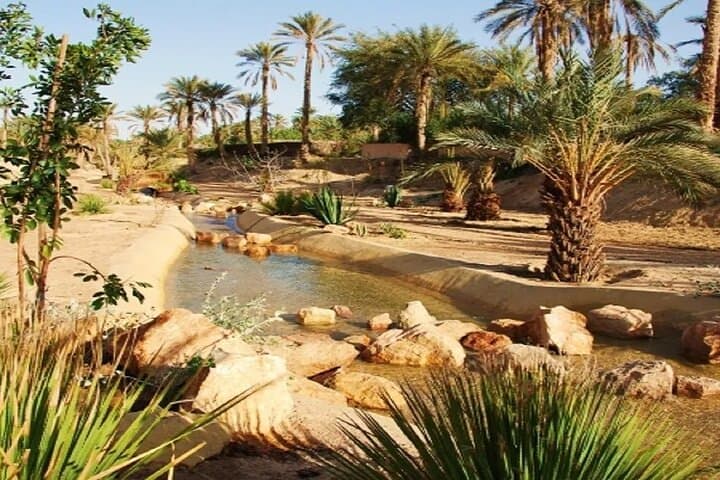
At the oasis expect a mix of small dunes and palm pockets; options include a short camel ride or a 4x4 spin, a dip in warm spring water and an evening meal beneath a sky untroubled by light pollution. The tented night is simple comfort—mattress pads, blankets and a fireside gathering—so pack a warm layer for the late hours.
Practical guidance: the tour includes private transport and most meals, but brings sun protection, at least 2–3 liters of water per person for daytime walks, and sturdy shoes for mixed sand and rocky paths. Keep documents (passport) handy for travel between towns. Timing matters—arrive early on day one to make the most of El Jem and the Matmata lunch stop; sunset at the dunes is the high point. Leave no trace: the desert is resilient, but footprints and trash alter fragile microhabitats.
easy.
2 days (48 hours).
Suitable for travelers in basic physical condition; minimal hiking and some uneven walking on sand and rocky trails.
The camp is low‑effort: short walks, relaxing at the oasis and optional camel/4x4 rides; suitable for most fitness levels.
Yes—there’s a warm natural pool at the oasis; bring a swimsuit and quick‑dry towel and be mindful of communal bathing etiquette.
The tour includes private transport with hotel pickup and drop‑off as described in the itinerary—confirm pickup point when booking.
Carry your passport and any necessary travel documents; bookings require passenger names and passport details per provider policy.
The route ties Roman North Africa (El Jem amphitheatre) to long‑standing Berber traditions visible in Matmata’s cave homes and oasis settlements.
The Sahara’s micro‑oases are ecologically fragile—avoid trampling vegetation, dispose of waste properly and minimize campfire impact.
Ôthentic Travel & Services operates guided outdoor trips and adventures with an emphasis on safety, stewardship, and memorable experiences.
The sun drops like a coin behind a ribbon of dunes and the camp at Ksar Ghilane wakes to a different light—cooler air, a crackling fire and a pool that steams faintly in the evening hush.
The sun drops like a coin behind a ribbon of dunes and the camp at Ksar Ghilane wakes to a different light—cooler air, a crackling fire and a pool that steams faintly in the evening hush.
This two‑day, one‑night escape moves from coastal Sousse inland through El Jem’s vast third‑century amphitheatre and the troglodyte houses of Matmata, then into the wide Saharan bowl around Ksar Ghilane. Geologically the route walks the edge of the Sahara erg: wind‑sculpted sands, interdune oases fed by a shallow thermal spring, and flats of salt and gypsum toward Chott el Jerid. Culturally, you’ll see Roman masonry, traditional Berber cave villages and modern nomadic livelihoods woven into the desert’s rhythm.
At the oasis expect a mix of small dunes and palm pockets; options include a short camel ride or a 4x4 spin, a dip in warm spring water and an evening meal beneath a sky untroubled by light pollution. The tented night is simple comfort—mattress pads, blankets and a fireside gathering—so pack a warm layer for the late hours.
Practical guidance: the tour includes private transport and most meals, but brings sun protection, at least 2–3 liters of water per person for daytime walks, and sturdy shoes for mixed sand and rocky paths. Keep documents (passport) handy for travel between towns. Timing matters—arrive early on day one to make the most of El Jem and the Matmata lunch stop; sunset at the dunes is the high point. Leave no trace: the desert is resilient, but footprints and trash alter fragile microhabitats.