THE ADVENTURE COLLECTIVE® · Independent discovery and booking for outdoor travel

A long day that trades island palms for open Sahara: this Djerba departure reaches Ksar Ghilane’s hot springs, palms and ochre dunes. Expect a mix of light hiking, cultural stops and optional camel or quad rides with lunch at the oasis.
A long day that trades island palms for open Sahara: this Djerba departure reaches Ksar Ghilane’s hot springs, palms and ochre dunes. Expect a mix of light hiking, cultural stops and optional camel or quad rides with lunch at the oasis.
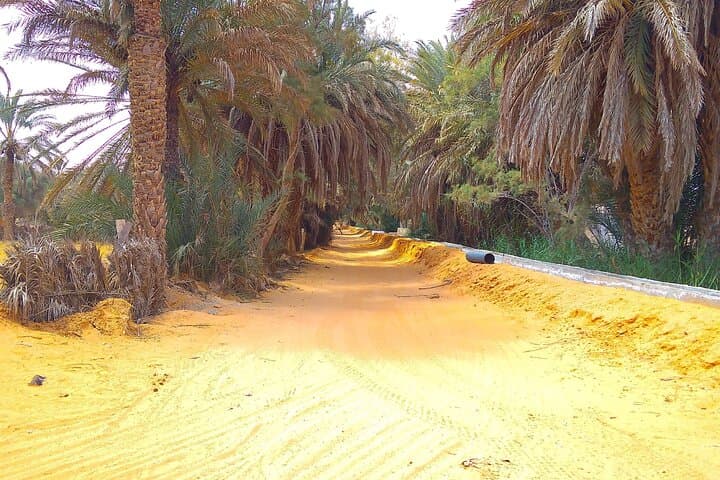
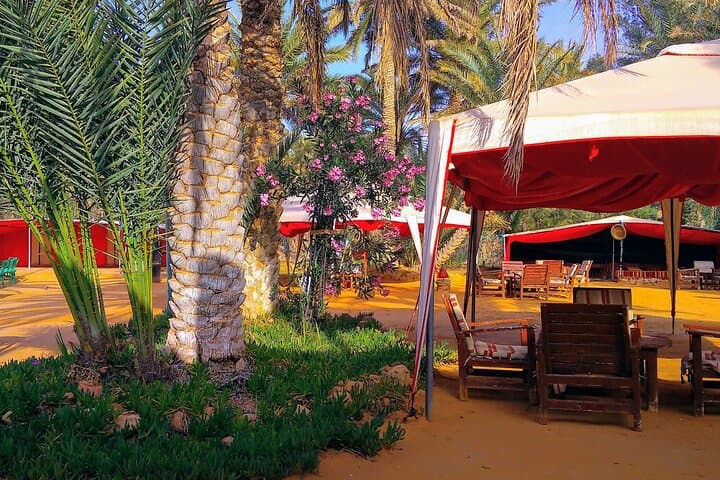
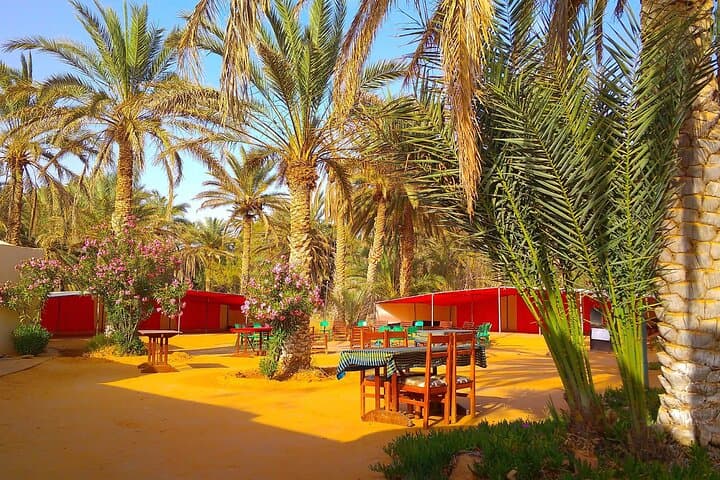
You arrive before noon as the road drops away from the low, white-washed towns and the landscape opens into ochre—red dunes pressing up against a green wedge of palms. Ksar Ghilane’s oasis sits like an unexpected pool of shade and steam: a palm grove threaded with irrigation channels and a small hot spring that invites a slow soak after dust and sun.
Verified experiences and guided adventures in the surrounding area.
Operated by Caravane du sahara · Ksar Ghilane, Médenine Governorate
You arrive before noon as the road drops away from the low, white-washed towns and the landscape opens into ochre—red dunes pressing up against a green wedge of palms. Ksar Ghilane’s oasis sits like an unexpected pool of shade and steam: a palm grove threaded with irrigation channels and a small hot spring that invites a slow soak after dust and sun.
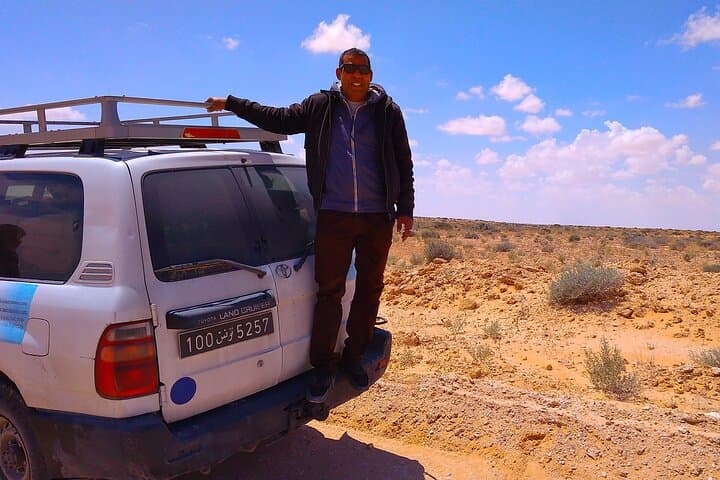
This day trip traces routes used by caravan traders and Roman patrols; the nearby Roman fort is a plain, square marker of imperial logistics rather than a ruin of grand columns. Geology here shifts from reg (stony desert) to wind-rippled sand, and overhead the Sahara’s light flattens and sharpens the same features hour by hour. You’ll pass earthen ghorfas—multi-storey granaries built by Berber communities—and a working oil mill that speaks to long-standing local practices.
Culturally the trip balances modern tourism with local life: Médenine’s ksour and souk bustle, while oases hold community wells and date palms cultivated in terraces. Expect the sensory contrast of cool, humid shade against wide, sunlit dunes and the faint metallic scent of the hot spring.
Practical guidance: wear closed shoes for dune walking, bring sun protection and extra water, and plan for a long day (pickup in Djerba, round-trip driving across varied desert surfaces). If you plan on camel or quad rides, book and confirm availability in advance and leave room in your schedule for relaxed time at the oasis and the Roman fort.
easy.
11 hours.
Suitable for travelers in average physical condition; mostly driving with short walks on sand and at cultural sites
Expect roughly 3–4 hours each way depending on traffic and the exact pickup point; the tour is a full-day outing (about 11 hours total).
Camel rides are often available but typically cost extra—confirm and reserve when booking to ensure availability.
Yes, the spring at Ksar Ghilane is accessible for bathing year-round; facilities are basic so bring a towel and change of clothes.
The operator lists the tour as suitable for all fitness levels and wheelchair accessible for transport and main areas, but dune walking and certain sites may be uneven—check specifics with the provider.
The area was a waypoint for trans-Saharan caravans and contains Roman surveillance posts linked to the empire’s southern frontier and caravan routes.
Oases are sensitive groundwater-dependent ecosystems—stick to marked paths, avoid leaving trash and minimize water use to protect local wells and palms.
Caravane du sahara operates guided outdoor trips and adventures with an emphasis on safety, stewardship, and memorable experiences.
You arrive before noon as the road drops away from the low, white-washed towns and the landscape opens into ochre—red dunes pressing up against a green wedge of palms. Ksar Ghilane’s oasis sits like an unexpected pool of shade and steam: a palm grove threaded with irrigation channels and a small hot spring that invites a slow soak after dust and sun.
You arrive before noon as the road drops away from the low, white-washed towns and the landscape opens into ochre—red dunes pressing up against a green wedge of palms. Ksar Ghilane’s oasis sits like an unexpected pool of shade and steam: a palm grove threaded with irrigation channels and a small hot spring that invites a slow soak after dust and sun.
This day trip traces routes used by caravan traders and Roman patrols; the nearby Roman fort is a plain, square marker of imperial logistics rather than a ruin of grand columns. Geology here shifts from reg (stony desert) to wind-rippled sand, and overhead the Sahara’s light flattens and sharpens the same features hour by hour. You’ll pass earthen ghorfas—multi-storey granaries built by Berber communities—and a working oil mill that speaks to long-standing local practices.
Culturally the trip balances modern tourism with local life: Médenine’s ksour and souk bustle, while oases hold community wells and date palms cultivated in terraces. Expect the sensory contrast of cool, humid shade against wide, sunlit dunes and the faint metallic scent of the hot spring.
Practical guidance: wear closed shoes for dune walking, bring sun protection and extra water, and plan for a long day (pickup in Djerba, round-trip driving across varied desert surfaces). If you plan on camel or quad rides, book and confirm availability in advance and leave room in your schedule for relaxed time at the oasis and the Roman fort.