THE ADVENTURE COLLECTIVE® · Independent discovery and booking for outdoor travel

Take a full-day run from Tirana to two of southern Albania’s standout natural sites: the karst spring known as the Blue Eye and the sun-drenched shores of Ksamil Beach. Expect crystal waters, short walks, and a relaxed seaside afternoon.
Take a full-day run from Tirana to two of southern Albania’s standout natural sites: the karst spring known as the Blue Eye and the sun-drenched shores of Ksamil Beach. Expect crystal waters, short walks, and a relaxed seaside afternoon.
A pre-dawn departure from Tirana sets the tone: a narrow road ribboning south, towns blurring as the bus climbs toward the interior. By mid-morning the forest hush opens to a cobalt pool—the Blue Eye—where water bubbles from a shaded karst throat so clear the surface dares you to read the bottom. Later, the coast reappears: white sand, compact islets, and the Ionian’s turquoise plate laid out at Ksamil.
Verified experiences and guided adventures in the surrounding area.
Operated by Trip Planner Albania · Ksamil, Vlorë County
A pre-dawn departure from Tirana sets the tone: a narrow road ribboning south, towns blurring as the bus climbs toward the interior. By mid-morning the forest hush opens to a cobalt pool—the Blue Eye—where water bubbles from a shaded karst throat so clear the surface dares you to read the bottom. Later, the coast reappears: white sand, compact islets, and the Ionian’s turquoise plate laid out at Ksamil.
Geology and history are close companions here. The Blue Eye is a karst spring fed by underground limestone channels; its sudden, vertical depth and changing blues are the product of tectonic uplift and rain-fed subterranean flow. Ksamil sits on the southern Ionian coast, a fishing and olive-growing region that shifted in recent decades from quiet village to lively beach hub—local restaurants still center on grilled seafood and rustic village recipes.
Expect a mix of short walks, photo stops, and unstructured beach time. The Blue Eye loop is shaded and uneven; Ksamil’s shore is flat sand with intermittent rocky shelves toward the islets. Bring a swimsuit, reef-safe sunscreen, and a small dry bag for phone and wallet. Entrance fees for the Blue Eye and optional boat rides to the Ksamil islets are typically paid on site.
Practical timing: a 10–12 hour day including 3–4 hours at the coast; travel windows mean early pickup and late return. Hydrate, wear supportive sandals for rocks, and carry small bills for local vendors—this route rewards simple preparation with vivid water, quiet forest, and an effortless contrast between spring and sea.
easy.
10–12 hours.
Suitable for most fitness levels; should be able to board a coach and walk short uneven trails
The tour runs about 10–12 hours with early morning pickup in Tirana (and options from Durres/Golem depending on provider); specific pickup points are confirmed at booking.
Swimming at the main spring is generally not permitted due to safety and conservation concerns; nearby pools and rivers may allow wading, but Ksamil offers full beach swimming.
Bottled water is usually provided on board; meals and restaurant visits at Ksamil are optional and paid locally.
Yes—providers often note stroller accessibility for short walks, but paths at the Blue Eye can be uneven; infants should be prepared for a long day on the road.
Ksamil and the surrounding Ionian coast have long been maritime and agricultural zones; Ottoman-era trade and later 20th-century shifts shaped the villages into today’s small tourism hubs.
The Blue Eye is a sensitive karst spring—stay on marked paths, avoid introducing soaps or plastics into the water, and favor local operators who support low-impact visiting policies.
Trip Planner Albania operates guided outdoor trips and adventures with an emphasis on safety, stewardship, and memorable experiences.
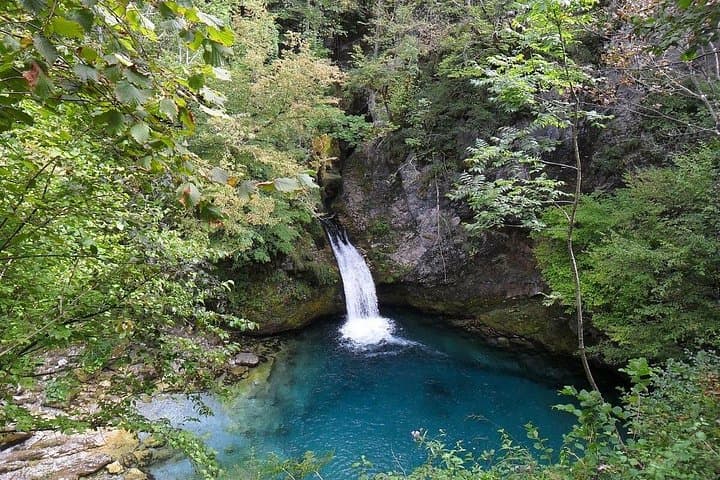
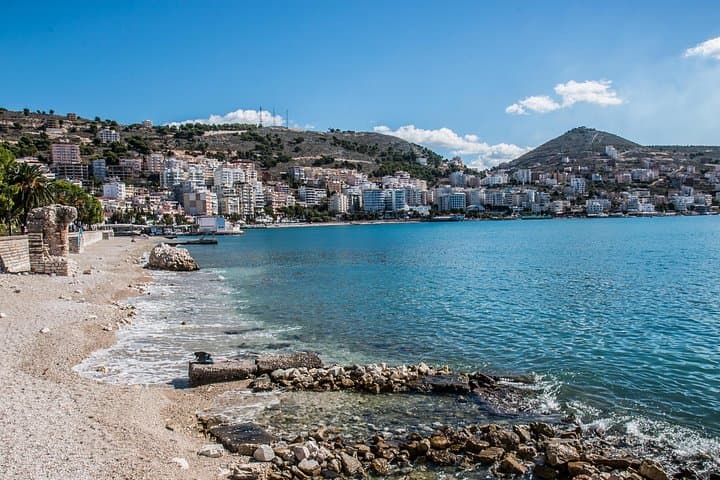
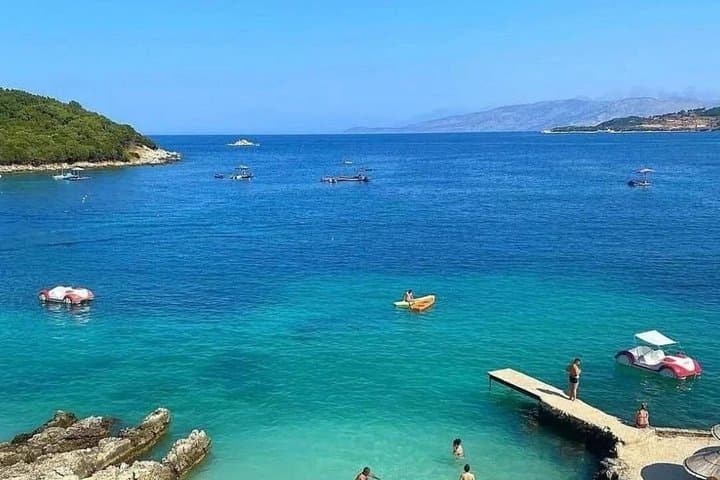
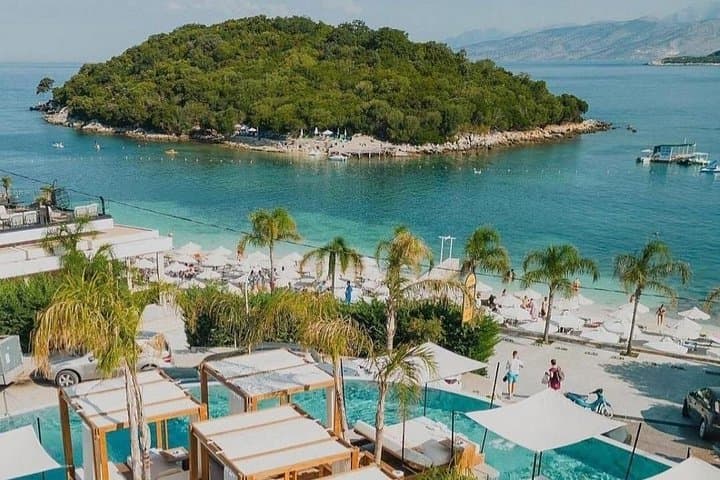
A pre-dawn departure from Tirana sets the tone: a narrow road ribboning south, towns blurring as the bus climbs toward the interior. By mid-morning the forest hush opens to a cobalt pool—the Blue Eye—where water bubbles from a shaded karst throat so clear the surface dares you to read the bottom. Later, the coast reappears: white sand, compact islets, and the Ionian’s turquoise plate laid out at Ksamil.
A pre-dawn departure from Tirana sets the tone: a narrow road ribboning south, towns blurring as the bus climbs toward the interior. By mid-morning the forest hush opens to a cobalt pool—the Blue Eye—where water bubbles from a shaded karst throat so clear the surface dares you to read the bottom. Later, the coast reappears: white sand, compact islets, and the Ionian’s turquoise plate laid out at Ksamil.
Geology and history are close companions here. The Blue Eye is a karst spring fed by underground limestone channels; its sudden, vertical depth and changing blues are the product of tectonic uplift and rain-fed subterranean flow. Ksamil sits on the southern Ionian coast, a fishing and olive-growing region that shifted in recent decades from quiet village to lively beach hub—local restaurants still center on grilled seafood and rustic village recipes.
Expect a mix of short walks, photo stops, and unstructured beach time. The Blue Eye loop is shaded and uneven; Ksamil’s shore is flat sand with intermittent rocky shelves toward the islets. Bring a swimsuit, reef-safe sunscreen, and a small dry bag for phone and wallet. Entrance fees for the Blue Eye and optional boat rides to the Ksamil islets are typically paid on site.
Practical timing: a 10–12 hour day including 3–4 hours at the coast; travel windows mean early pickup and late return. Hydrate, wear supportive sandals for rocks, and carry small bills for local vendors—this route rewards simple preparation with vivid water, quiet forest, and an effortless contrast between spring and sea.