THE ADVENTURE COLLECTIVE® · Independent discovery and booking for outdoor travel

Follow a short, dramatic gorge where Vrbas drops into clear pools and mossy ledges. This roughly 3-hour hike from Banja Luka combines karst geology, old mills, and approachable scrambling—ideal for hikers with moderate fitness.
Follow a short, dramatic gorge where Vrbas drops into clear pools and mossy ledges. This roughly 3-hour hike from Banja Luka combines karst geology, old mills, and approachable scrambling—ideal for hikers with moderate fitness.
A cool mist lifts off the cascade as you step from the shaded trail into open limestone ledges—Vrbas pushes forward here, cutting a short, dramatic gorge and turning the valley into a place that demands attention. The path follows rocky terraces and river bends, with small pools and mossy steps that make every pause worthwhile.
Verified experiences and guided adventures in the surrounding area.
Operated by Good Host · Banja Luka, Republika Srpska
A cool mist lifts off the cascade as you step from the shaded trail into open limestone ledges—Vrbas pushes forward here, cutting a short, dramatic gorge and turning the valley into a place that demands attention. The path follows rocky terraces and river bends, with small pools and mossy steps that make every pause worthwhile.
This stretch has long fed local hamlets and powered wooden mills; the river’s course is shaped by karst geology common to the Dinaric Alps, where soluble limestone creates sudden drops and clear, cold pools. Along the banks you’ll see old stone structures and signs of rural life—simple snacks like uštipci are still offered in nearby villages, a culinary nod to the region’s pastoral culture.
Expect a moderate, 3-hour loop with varied terrain: packed dirt, exposed roots, short rocky scrambles and a few wet sections close to the falls. The sound of the water sets the pace—sometimes insistent, sometimes coaxing—so plan for frequent photo stops and careful footing.
Practical guidance: wear grippy hiking shoes, carry 1–1.5 liters of water, and bring a light waterproof layer. Start mid-morning for good light and safer riverbanks; avoid the trail after heavy rain when flows rise and rocks get slippery. If you have limited mobility or heart conditions, consider a shorter viewpoint visit—this hike requires a moderate level of fitness. Respect private land and local signage: staying on the trail helps keep the river clear and the community connected to this wild, accessible place.
moderate.
3 hours.
Moderate—comfortable with uneven terrain, short scrambles, and sustained walking; not suitable for those with serious cardiovascular issues.
Typical tours run about 3 hours and describe the route as moderate—uneven ground, short scrambles, and some wet sections near the falls.
Some pools are inviting but water is cold and currents can be unpredictable; swimming is best avoided unless conditions are confirmed safe by a guide.
Private transportation and air-conditioned vehicles are usually provided as part of organized tours—confirm pickup details with your operator.
Facilities are limited; plan to use amenities in Banja Luka before departure and bring snacks—local villages sometimes sell simple pastries like uštipci.
The river corridor supplied local villages for centuries; you’ll see remnants of old watermills and rural settlement patterns shaped by the Vrbas flow.
This karst river is sensitive to pollution and bank erosion—stick to trails, pack out waste, and avoid disturbing riparian vegetation to help maintain water quality.
Good Host operates guided outdoor trips and adventures with an emphasis on safety, stewardship, and memorable experiences.
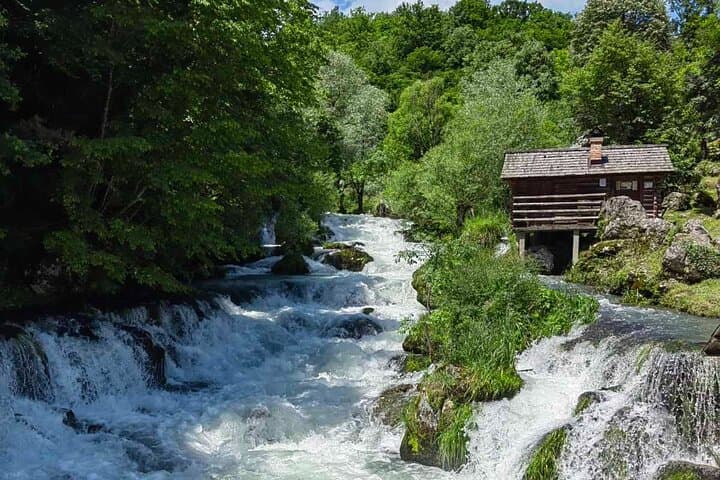
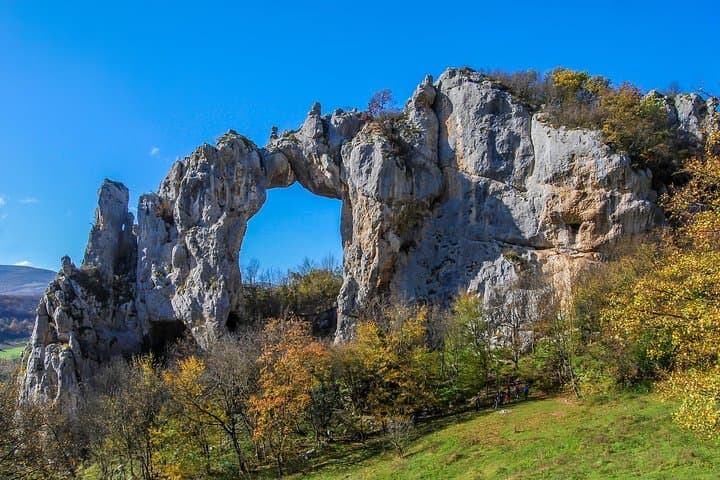
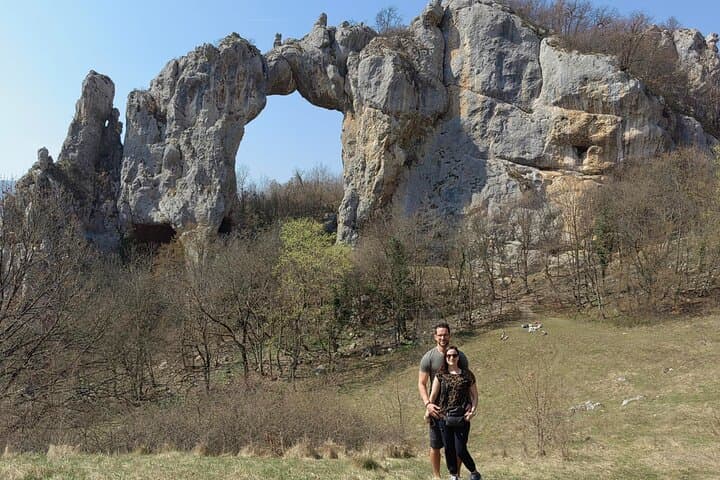
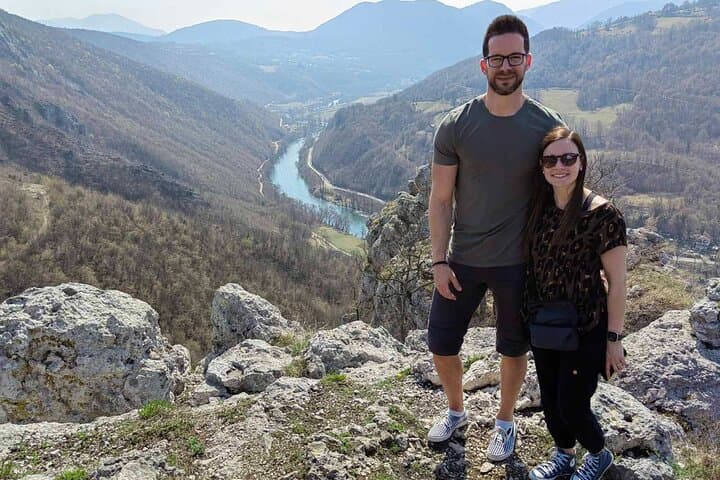
A cool mist lifts off the cascade as you step from the shaded trail into open limestone ledges—Vrbas pushes forward here, cutting a short, dramatic gorge and turning the valley into a place that demands attention. The path follows rocky terraces and river bends, with small pools and mossy steps that make every pause worthwhile.
A cool mist lifts off the cascade as you step from the shaded trail into open limestone ledges—Vrbas pushes forward here, cutting a short, dramatic gorge and turning the valley into a place that demands attention. The path follows rocky terraces and river bends, with small pools and mossy steps that make every pause worthwhile.
This stretch has long fed local hamlets and powered wooden mills; the river’s course is shaped by karst geology common to the Dinaric Alps, where soluble limestone creates sudden drops and clear, cold pools. Along the banks you’ll see old stone structures and signs of rural life—simple snacks like uštipci are still offered in nearby villages, a culinary nod to the region’s pastoral culture.
Expect a moderate, 3-hour loop with varied terrain: packed dirt, exposed roots, short rocky scrambles and a few wet sections close to the falls. The sound of the water sets the pace—sometimes insistent, sometimes coaxing—so plan for frequent photo stops and careful footing.
Practical guidance: wear grippy hiking shoes, carry 1–1.5 liters of water, and bring a light waterproof layer. Start mid-morning for good light and safer riverbanks; avoid the trail after heavy rain when flows rise and rocks get slippery. If you have limited mobility or heart conditions, consider a shorter viewpoint visit—this hike requires a moderate level of fitness. Respect private land and local signage: staying on the trail helps keep the river clear and the community connected to this wild, accessible place.