THE ADVENTURE COLLECTIVE® · Independent discovery and booking for outdoor travel

Take a six-hour guided loop from Durres to Kruja’s fortress, Old Bazaar and Holy Mountain—history, craft shops and sweeping Adriatic views without the guesswork. Practical route notes and what to pack for comfortable exploration.
Take a six-hour guided loop from Durres to Kruja’s fortress, Old Bazaar and Holy Mountain—history, craft shops and sweeping Adriatic views without the guesswork. Practical route notes and what to pack for comfortable exploration.
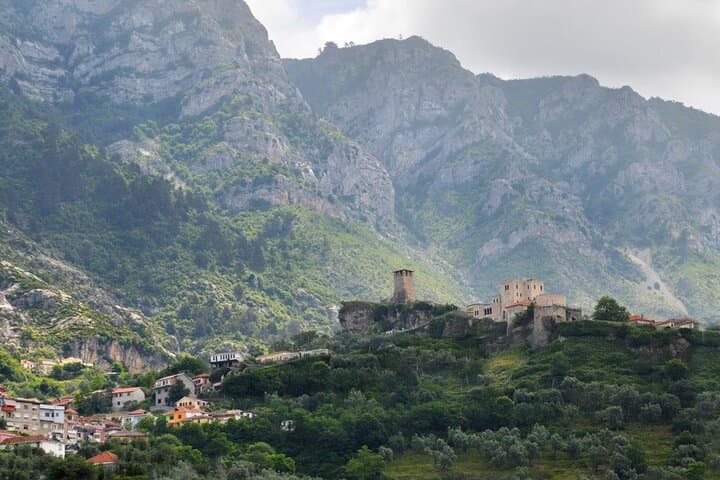
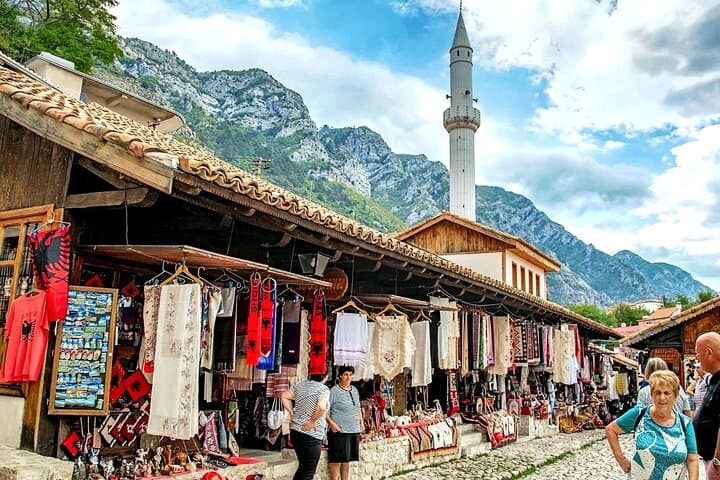
You arrive in Kruja by winding road; the air cools and the valley unfurls beneath the castle walls. Stone streets pull you into an Ottoman-era market where wood and metalwork glint in the sun, and the mountain above seems to watch every passing bell and footstep.
Verified experiences and guided adventures in the surrounding area.
Operated by Tok Tours · Kruja, Durrës County
You arrive in Kruja by winding road; the air cools and the valley unfurls beneath the castle walls. Stone streets pull you into an Ottoman-era market where wood and metalwork glint in the sun, and the mountain above seems to watch every passing bell and footstep.
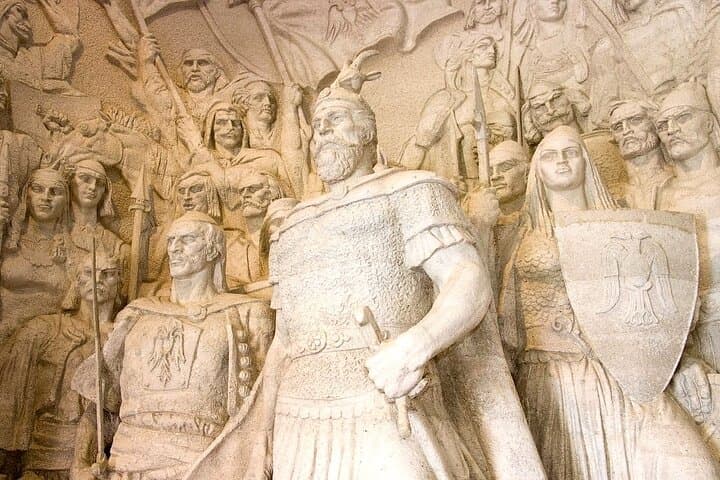
Kruja’s history is visible: the 15th-century fortress that defended the region against Ottoman advances and the Skanderbeg Museum that gathers the artifacts of Albania’s national resistance. Geologically, the town perches on limestone ridges that drop toward the Adriatic—karst slopes that carve sharp ridgelines and sheltered gullies where olive trees cling to thin soils. Culture here is tactile: bakers shape byrek in the morning, artisans shape metal and horn in alleyway shops, and the Bektashi tekke on the Holy Mountain still draws quiet pilgrims.
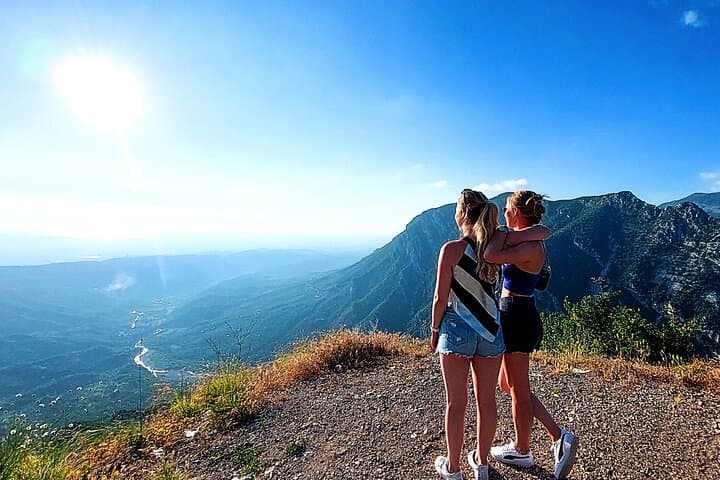
Expect panoramic views—on clear days the Adriatic reads as a bright strip on the horizon—and short, uneven walks up castle ramps and through bazaars. The Holy Mountain climb in this tour is experienced mainly by short ascents and viewpoints rather than technical mountaineering, but narrow paths and stone steps require sure footing.
Practical guidance: bring sturdy shoes, water, sun protection, and a light layer for higher elevations. Plan to spend about six hours including transport from Durres; pockets of free time let you explore the bazaar and museum at your own pace. The route is family-friendly but not stroller-accessible; travelers with mobility issues should check specific access for castle ramps and the tekke.
moderate.
6 hours.
Moderate fitness — able to walk on uneven ground, climb stairs and handle short uphill sections.
The drive is about 45–60 minutes each way depending on traffic, included in the six-hour tour schedule.
Yes — the itinerary indicates admission is included for the Skanderbeg Museum inside the castle complex.
Children are welcome but seats for under-6s may not be available; check booking requirements for child seating and supervision.
The tour visits viewpoints and the Sari Salltik tekke with short uphill sections; it’s not technical but requires steady footing and basic mobility.
Kruja was the center of resistance under Gjergj Kastrioti (Skanderbeg) in the 15th century and later became an Ottoman market town, influences visible in the castle and bazaar layout.
Local guides encourage buying directly from artisans to support traditional crafts and ask visitors to stick to marked paths to protect fragile karst soils and olive terraces.
Tok Tours operates guided outdoor trips and adventures with an emphasis on safety, stewardship, and memorable experiences.
You arrive in Kruja by winding road; the air cools and the valley unfurls beneath the castle walls. Stone streets pull you into an Ottoman-era market where wood and metalwork glint in the sun, and the mountain above seems to watch every passing bell and footstep.
You arrive in Kruja by winding road; the air cools and the valley unfurls beneath the castle walls. Stone streets pull you into an Ottoman-era market where wood and metalwork glint in the sun, and the mountain above seems to watch every passing bell and footstep.
Kruja’s history is visible: the 15th-century fortress that defended the region against Ottoman advances and the Skanderbeg Museum that gathers the artifacts of Albania’s national resistance. Geologically, the town perches on limestone ridges that drop toward the Adriatic—karst slopes that carve sharp ridgelines and sheltered gullies where olive trees cling to thin soils. Culture here is tactile: bakers shape byrek in the morning, artisans shape metal and horn in alleyway shops, and the Bektashi tekke on the Holy Mountain still draws quiet pilgrims.
Expect panoramic views—on clear days the Adriatic reads as a bright strip on the horizon—and short, uneven walks up castle ramps and through bazaars. The Holy Mountain climb in this tour is experienced mainly by short ascents and viewpoints rather than technical mountaineering, but narrow paths and stone steps require sure footing.
Practical guidance: bring sturdy shoes, water, sun protection, and a light layer for higher elevations. Plan to spend about six hours including transport from Durres; pockets of free time let you explore the bazaar and museum at your own pace. The route is family-friendly but not stroller-accessible; travelers with mobility issues should check specific access for castle ramps and the tekke.