THE ADVENTURE COLLECTIVE® · Independent discovery and booking for outdoor travel

A compact, five-hour excursion from Tirana takes you up to Kruja’s castle, through the centuries-old bazaar, and out to tramlines of limestone and olive groves. Expect history, short climbs, and authentic local trade.
A compact, five-hour excursion from Tirana takes you up to Kruja’s castle, through the centuries-old bazaar, and out to tramlines of limestone and olive groves. Expect history, short climbs, and authentic local trade.
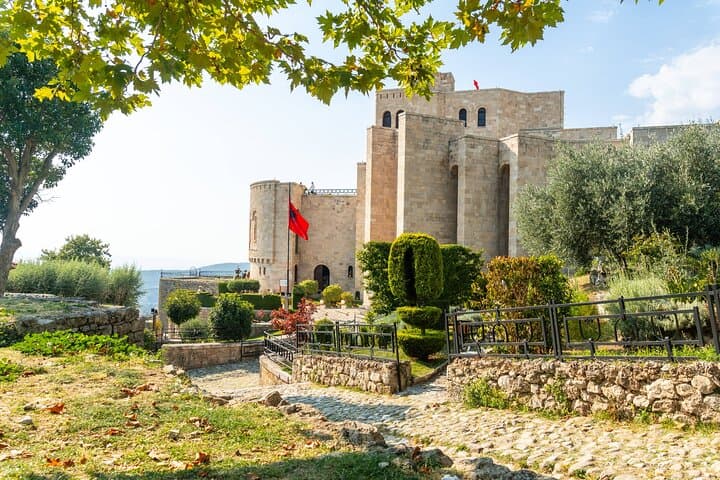
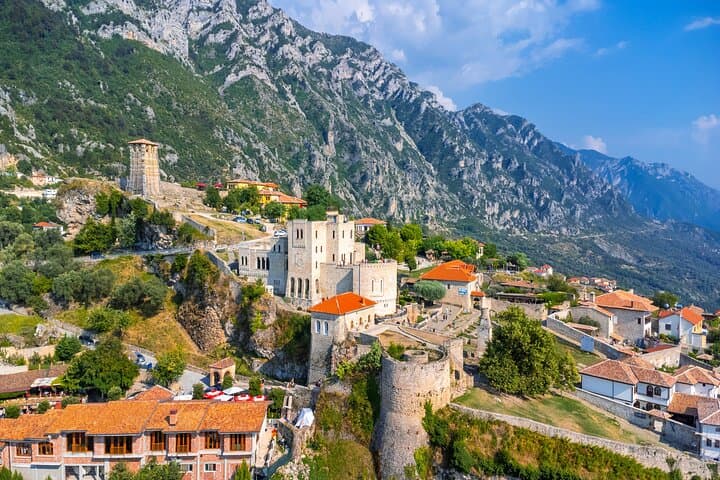
You step out of the air-conditioned vehicle and the hill takes over—the road narrows, stone walls press close, and the wind pushes you toward the castle crest. Kruja perches at roughly 608 m above sea level; the castle’s rough masonry climbs from craggy rock and the town below folds into olive-slick slopes and terraced fields. The air smells of lemon trees and frying oil from the bazaar stalls.
Verified experiences and guided adventures in the surrounding area.
Operated by Discover Albania · Krujë, Durrës
You step out of the air-conditioned vehicle and the hill takes over—the road narrows, stone walls press close, and the wind pushes you toward the castle crest. Kruja perches at roughly 608 m above sea level; the castle’s rough masonry climbs from craggy rock and the town below folds into olive-slick slopes and terraced fields. The air smells of lemon trees and frying oil from the bazaar stalls.
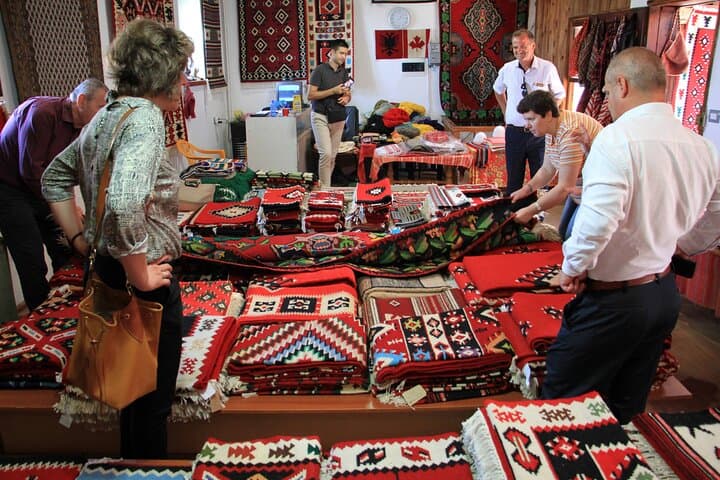
Kruja is a place where history still speaks. The castle complex contains ruins dating to the 5th–6th centuries and the Gjergj Kastrioti Skanderbeg Museum—opened 1981—honors Albania’s 15th-century resistance leader. The old bazaar, with origins more than 400 years back, hums with woodcarvers, copperware, and handmade kilims. Sari Salltiku Mosque and the nearby holy cave carry layers of faith and folklore; reconstructed after 1991, the mosque anchors a local spiritual history stretching centuries.
Geology gives Kruja its drama: limestone outcrops and a serrated skyline that make for sweeping viewpoints at Sarisalltik. Culture here is tactile—bargaining merchants, strong coffee served in tiny glasses, and a steady rhythm of locals moving between mosque, market, and cafe.
Practical guidance: the full tour runs about five hours including roughly 30–45 minutes each way from Tirana. Wear supportive shoes for cobbles and short climbs, bring sun protection and water, and carry a modest layer for breezy ridge-top exposure. Entry to the castle and key museums is typically included on organized tours; allow 2–2.5 hours onsite to move at a relaxed pace through the bazaar, museum, and viewpoints.
easy.
5 hours.
Suitable for average fitness; includes short uphill walks and uneven surfaces—no sustained physical exertion required.
Typical transfer time is about 30–45 minutes each way depending on traffic—organised tours include transport in that window.
Most guided day tours include admission to Kruja Castle and the Skanderbeg Museum; check your booking details for confirmation.
Parts of the bazaar are narrow and cobbled; strollers can access some areas but expect uneven ground—assistance may be required.
Tipping is appreciated but not mandatory; 5–10% of the tour price or a few euros per person is common for good service.
Kruja rose to prominence as Skanderbeg’s stronghold in the 15th century, becoming a symbol of resistance during Ottoman invasions.
Historic structures are vulnerable to foot traffic—stay on marked paths, avoid touching fragile masonry, and support local vendors to sustain traditional crafts.
Discover Albania operates guided outdoor trips and adventures with an emphasis on safety, stewardship, and memorable experiences.
You step out of the air-conditioned vehicle and the hill takes over—the road narrows, stone walls press close, and the wind pushes you toward the castle crest. Kruja perches at roughly 608 m above sea level; the castle’s rough masonry climbs from craggy rock and the town below folds into olive-slick slopes and terraced fields. The air smells of lemon trees and frying oil from the bazaar stalls.
You step out of the air-conditioned vehicle and the hill takes over—the road narrows, stone walls press close, and the wind pushes you toward the castle crest. Kruja perches at roughly 608 m above sea level; the castle’s rough masonry climbs from craggy rock and the town below folds into olive-slick slopes and terraced fields. The air smells of lemon trees and frying oil from the bazaar stalls.
Kruja is a place where history still speaks. The castle complex contains ruins dating to the 5th–6th centuries and the Gjergj Kastrioti Skanderbeg Museum—opened 1981—honors Albania’s 15th-century resistance leader. The old bazaar, with origins more than 400 years back, hums with woodcarvers, copperware, and handmade kilims. Sari Salltiku Mosque and the nearby holy cave carry layers of faith and folklore; reconstructed after 1991, the mosque anchors a local spiritual history stretching centuries.
Geology gives Kruja its drama: limestone outcrops and a serrated skyline that make for sweeping viewpoints at Sarisalltik. Culture here is tactile—bargaining merchants, strong coffee served in tiny glasses, and a steady rhythm of locals moving between mosque, market, and cafe.
Practical guidance: the full tour runs about five hours including roughly 30–45 minutes each way from Tirana. Wear supportive shoes for cobbles and short climbs, bring sun protection and water, and carry a modest layer for breezy ridge-top exposure. Entry to the castle and key museums is typically included on organized tours; allow 2–2.5 hours onsite to move at a relaxed pace through the bazaar, museum, and viewpoints.